THE ADVENTURE COLLECTIVE® · Independent discovery and booking for outdoor travel

Follow the routes Herodotus chronicled on a private two‑day tour from Athens that visits Marathon, Thermopylae, Plataea and UNESCO‑listed Delphi. Expect coastal plains, mountain passes and compact museums with a practical, historian’s view of Greece’s Persian Wars.
Follow the routes Herodotus chronicled on a private two‑day tour from Athens that visits Marathon, Thermopylae, Plataea and UNESCO‑listed Delphi. Expect coastal plains, mountain passes and compact museums with a practical, historian’s view of Greece’s Persian Wars.
You step out of an air-conditioned van and the wind off the Aegean dares you toward the Marathon shore — low scrub, pale sand and the ten‑metre burial mound that holds the memory of 490 BC. On day one the landscape pushes and pulls: coastal plain, reservoir, then the narrow pass of Thermopylae where the rocky ridgeline seems to guard its legend.
Verified experiences and guided adventures in the surrounding area.
Operated by GREECE TAXI · Athens, Attica
You step out of an air-conditioned van and the wind off the Aegean dares you toward the Marathon shore — low scrub, pale sand and the ten‑metre burial mound that holds the memory of 490 BC. On day one the landscape pushes and pulls: coastal plain, reservoir, then the narrow pass of Thermopylae where the rocky ridgeline seems to guard its legend.
This two‑day loop traces the decisive clashes recorded by Herodotus — Marathon, Thermopylae, Plataea — then climbs into the shadow of Mount Parnassus to Delphi, once believed to be the omphalos, the world’s navel. Geology matters here: Parnassus is limestone and scree, the pass at Thermopylae a strategic squeeze of coastal and mountain. Culture is immediate — olives, small tavernas, and an archaeological ethic that treats ruins as fragile conversation partners.
Expect museum rooms that keep marble fragments and votive offerings cool, and open sites where you walk between temple bases and column drums. The driver/host handles routing and logistics; archaeological guides are available for hire if you want a specialist’s reading of stones and inscriptions.
Practical edge: plan morning starts to avoid heat, bring sun protection and comfortable walking shoes for uneven terrain, and allow time in Delphi to absorb both the views and the museum. If overnight accommodation is arranged, you’ll wake on Parnassus’ slopes with a different light on the valley. Carry water, respect marked paths, and budget for site admissions and the optional licensed archaeologist.
easy.
2 days.
Suitable for travelers of most fitness levels; able to walk short distances on uneven surfaces and manage stairs or slopes at sites.
Admissions are not always included; expect to pay entrance fees on site for museums and archaeological areas (Delphi has a combined ticket).
Yes — the tour is private with pickup/drop‑off from hotels in Athens or Piraeus; pickup point is confirmed at booking.
The driver is an experienced tour driver but not a licensed site guide; you can request a licensed archaeologist for an extra fee if you want in‑depth guided visits.
Yes — the operator can arrange boutique or 3/4* hotel rooms on request for an additional cost; drivers’ rooms are typically complimentary.
This route follows key battle sites from the Persian Wars recorded by Herodotus; Delphi later served as the religious and political center where city‑states left monuments to Apollo.
Many sites are UNESCO‑protected or nationally managed — stick to marked paths, avoid touching fragile marble, and minimize single‑use plastics to reduce local impact.
GREECE TAXI operates guided outdoor trips and adventures with an emphasis on safety, stewardship, and memorable experiences.
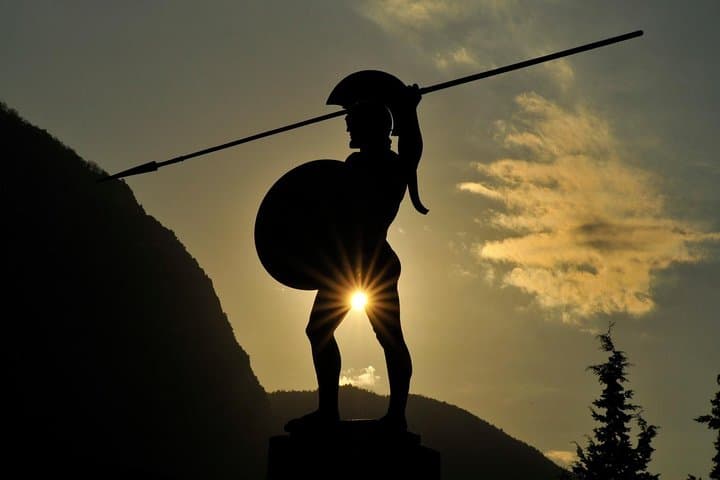
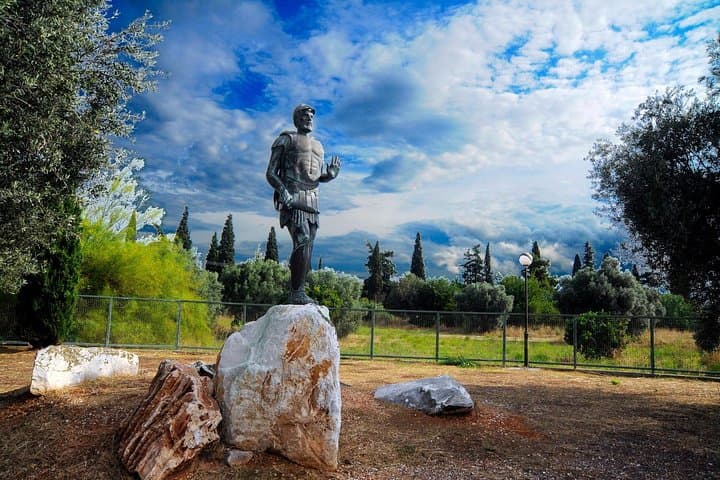
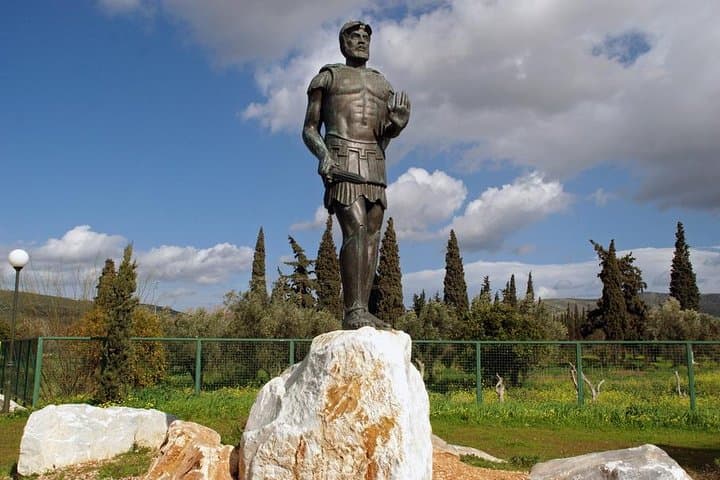
You step out of an air-conditioned van and the wind off the Aegean dares you toward the Marathon shore — low scrub, pale sand and the ten‑metre burial mound that holds the memory of 490 BC. On day one the landscape pushes and pulls: coastal plain, reservoir, then the narrow pass of Thermopylae where the rocky ridgeline seems to guard its legend.
You step out of an air-conditioned van and the wind off the Aegean dares you toward the Marathon shore — low scrub, pale sand and the ten‑metre burial mound that holds the memory of 490 BC. On day one the landscape pushes and pulls: coastal plain, reservoir, then the narrow pass of Thermopylae where the rocky ridgeline seems to guard its legend.
This two‑day loop traces the decisive clashes recorded by Herodotus — Marathon, Thermopylae, Plataea — then climbs into the shadow of Mount Parnassus to Delphi, once believed to be the omphalos, the world’s navel. Geology matters here: Parnassus is limestone and scree, the pass at Thermopylae a strategic squeeze of coastal and mountain. Culture is immediate — olives, small tavernas, and an archaeological ethic that treats ruins as fragile conversation partners.
Expect museum rooms that keep marble fragments and votive offerings cool, and open sites where you walk between temple bases and column drums. The driver/host handles routing and logistics; archaeological guides are available for hire if you want a specialist’s reading of stones and inscriptions.
Practical edge: plan morning starts to avoid heat, bring sun protection and comfortable walking shoes for uneven terrain, and allow time in Delphi to absorb both the views and the museum. If overnight accommodation is arranged, you’ll wake on Parnassus’ slopes with a different light on the valley. Carry water, respect marked paths, and budget for site admissions and the optional licensed archaeologist.