THE ADVENTURE COLLECTIVE® · Independent discovery and booking for outdoor travel

Drive Clarence Drive to Hermanus for shore-based whale viewing and an optional two-hour boat cruise. Peak season runs June–November, with reliable Southern Right Whale sightings and a full-day itinerary that returns to Cape Town by evening.
Drive Clarence Drive to Hermanus for shore-based whale viewing and an optional two-hour boat cruise. Peak season runs June–November, with reliable Southern Right Whale sightings and a full-day itinerary that returns to Cape Town by evening.
Sea spray and wind from the Benguela Current hit the car window as the road clamps itself to the coastline — Clarence Drive carving ribbon turns between fynbos-clad slopes and the Atlantic. By mid-morning the low cliffs of Hermanus open onto Walker Bay, where Southern Right Whales arrive each year to mate and calve, their backs and flukes punctuating the horizon.
Verified experiences and guided adventures in the surrounding area.
Operated by Cheap Safaris · Hermanus, Western Cape
Sea spray and wind from the Benguela Current hit the car window as the road clamps itself to the coastline — Clarence Drive carving ribbon turns between fynbos-clad slopes and the Atlantic. By mid-morning the low cliffs of Hermanus open onto Walker Bay, where Southern Right Whales arrive each year to mate and calve, their backs and flukes punctuating the horizon.
Hermanus grew from a 19th-century fishing settlement into South Africa’s premier land-based whale-viewing town. The shore rests on folded Cape coastline rock and shale; its cliffs and tidal pools are shaped by a cool, nutrient-rich current that draws plankton, fish, and the whales that feed and nurse here.
Stroll the several kilometers of well-maintained cliff path for repeated shore sightings, or choose an optional two-hour licensed boat cruise for closer encounters and a guide’s natural-history commentary. Lunch overlooking the bay, a stop in the Hemel-en-Aarde wine valley on the return, and slow drives back toward Cape Town complete a full day.
Practical guidance: travel time from Cape Town is roughly 90–120 minutes each way depending on traffic and route. Dress in windproof layers, bring binoculars and a camera with a telephoto lens, and consider motion-sickness precautions if opting for the boat. Peak viewing runs June–November when mothers and calves are most often present.
Respect local regulations: observe whales from the shore at recommended distances, follow guide directions at sea, and leave no trace on coastal paths. With basic preparation this day trip is accessible to most visitors and delivers reliable, dramatic wildlife viewing within a single, well-paced outing.
easy.
4–6 hours.
Suitable for most fitness levels; involves light walking on paved and natural cliff paths and minimal standing onboard if choosing the cruise.
Southern Right Whales are most commonly seen from June through November, with peak calving and mother-calf activity in winter (June–August).
No—Hermanus is world-renowned for land-based sightings from the cliff path, though a licensed boat cruise offers closer approaches and different perspectives when conditions allow.
Yes; the itinerary notes wheelchair-accessible transport and shore viewing. Boat boarding may be more challenging for some visitors—check operator guidance before booking.
Yes; many return routes include an optional stop in the Hemel-en-Aarde Valley at a local wine estate or farm stall (own expense).
Originally a 19th-century fishing village, Hermanus was later popularized as a whale-watching destination and the cliff path became a formal viewing route as whale conservation gained traction.
Operators follow guidelines to minimize disturbance to marine mammals; visitors are encouraged to keep distance, avoid loud noises, and dispose of waste off the shoreline.
Cheap Safaris operates guided outdoor trips and adventures with an emphasis on safety, stewardship, and memorable experiences.
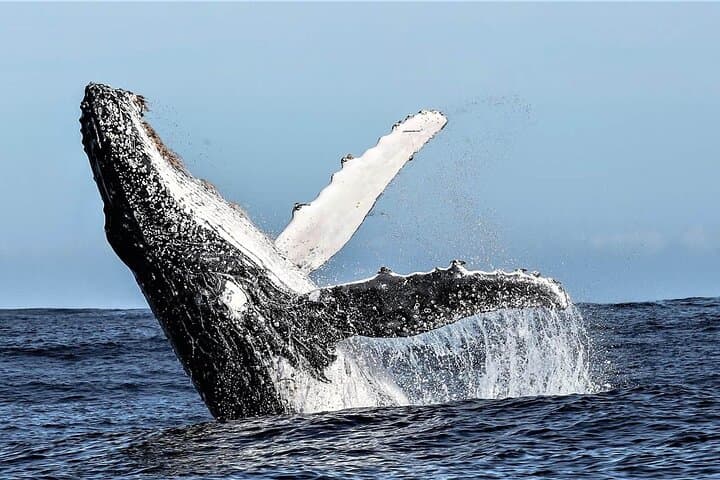
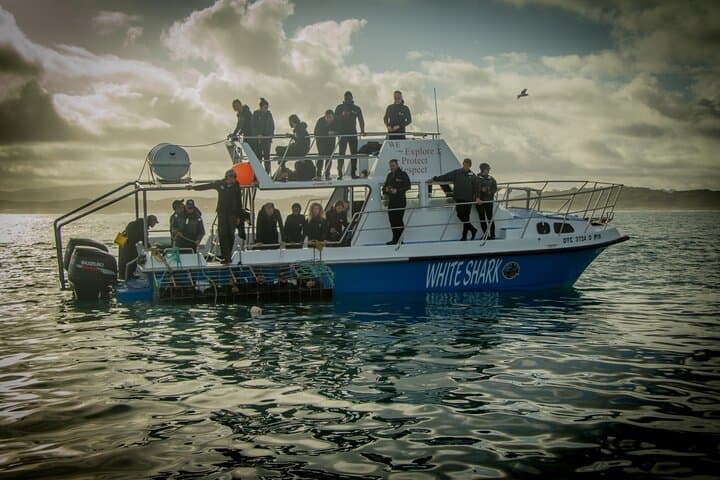


Sea spray and wind from the Benguela Current hit the car window as the road clamps itself to the coastline — Clarence Drive carving ribbon turns between fynbos-clad slopes and the Atlantic. By mid-morning the low cliffs of Hermanus open onto Walker Bay, where Southern Right Whales arrive each year to mate and calve, their backs and flukes punctuating the horizon.
Sea spray and wind from the Benguela Current hit the car window as the road clamps itself to the coastline — Clarence Drive carving ribbon turns between fynbos-clad slopes and the Atlantic. By mid-morning the low cliffs of Hermanus open onto Walker Bay, where Southern Right Whales arrive each year to mate and calve, their backs and flukes punctuating the horizon.
Hermanus grew from a 19th-century fishing settlement into South Africa’s premier land-based whale-viewing town. The shore rests on folded Cape coastline rock and shale; its cliffs and tidal pools are shaped by a cool, nutrient-rich current that draws plankton, fish, and the whales that feed and nurse here.
Stroll the several kilometers of well-maintained cliff path for repeated shore sightings, or choose an optional two-hour licensed boat cruise for closer encounters and a guide’s natural-history commentary. Lunch overlooking the bay, a stop in the Hemel-en-Aarde wine valley on the return, and slow drives back toward Cape Town complete a full day.
Practical guidance: travel time from Cape Town is roughly 90–120 minutes each way depending on traffic and route. Dress in windproof layers, bring binoculars and a camera with a telephoto lens, and consider motion-sickness precautions if opting for the boat. Peak viewing runs June–November when mothers and calves are most often present.
Respect local regulations: observe whales from the shore at recommended distances, follow guide directions at sea, and leave no trace on coastal paths. With basic preparation this day trip is accessible to most visitors and delivers reliable, dramatic wildlife viewing within a single, well-paced outing.