THE ADVENTURE COLLECTIVE® · Independent discovery and booking for outdoor travel

Head out of Hermanus aboard a guided boat trip into Walker Bay to watch Southern Right Whales, dolphins, and seals up close. The crew slows and powers down for safe, close approaches—ideal for photographers and wildlife lovers.
Head out of Hermanus aboard a guided boat trip into Walker Bay to watch Southern Right Whales, dolphins, and seals up close. The crew slows and powers down for safe, close approaches—ideal for photographers and wildlife lovers.
The boat slips off Hermanus’s rocky shore and the cold Atlantic air sharpens your senses; gulls ride the wind and the water pulls at the hull as you follow the sweep of Walker Bay.
Verified experiences and guided adventures in the surrounding area.
Operated by Bakunda Travel and Tours · Hermanus, Western Cape
The boat slips off Hermanus’s rocky shore and the cold Atlantic air sharpens your senses; gulls ride the wind and the water pulls at the hull as you follow the sweep of Walker Bay.
This stretch of the Western Cape has long been a rendezvous for Southern Right Whales, drawn by sheltered bays and abundant krill. Geologically, the coastline is a patchwork of Cape Fold sandstone and eroded cliffs that funnel nutrients from the Benguela Current, creating rich feeding grounds. Hermanus grew from a fishing village into one of the world’s best shore- and boat-based whale-watching hubs, with local guides blending maritime lore and marine-science observations.
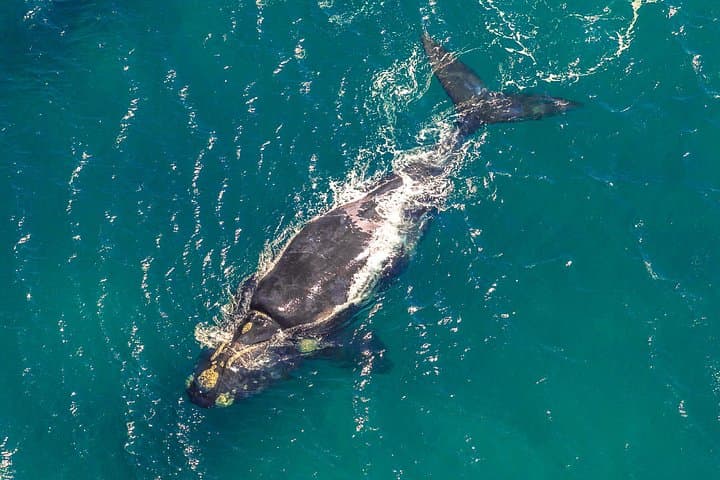
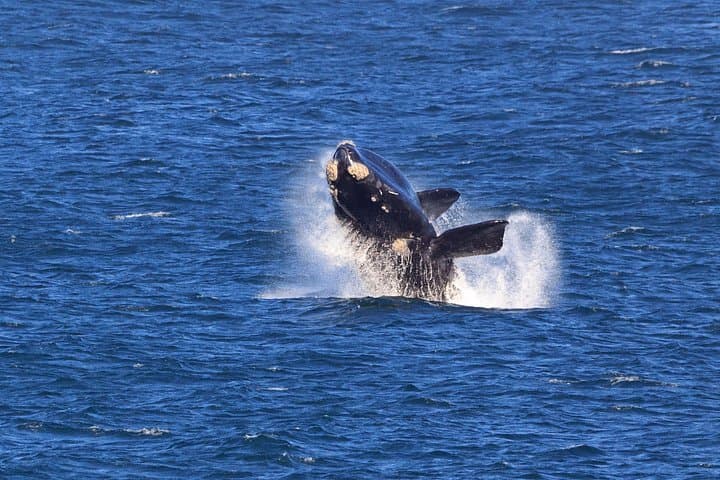
Expect the crew to scan the horizon, call out blows, and ease the boat close—engines off—so you can see ridged backs and barnacled calluses. Dolphins often skateboard the bow wake; Cape fur seals sun themselves on offshore rocks. The top deck is best for photos when weather allows; binoculars bring the distant flukes into intimate scale.
Practical notes: tours commonly run 8–9 hours including travel and hotel transfers, so dress in layers, wear non-slip shoes, and bring motion-sickness prevention. Peak sightings run June–November, but wildlife is present year-round. Respect the guides’ instructions during quiet approaches—less noise keeps whales calm and sightings safe.
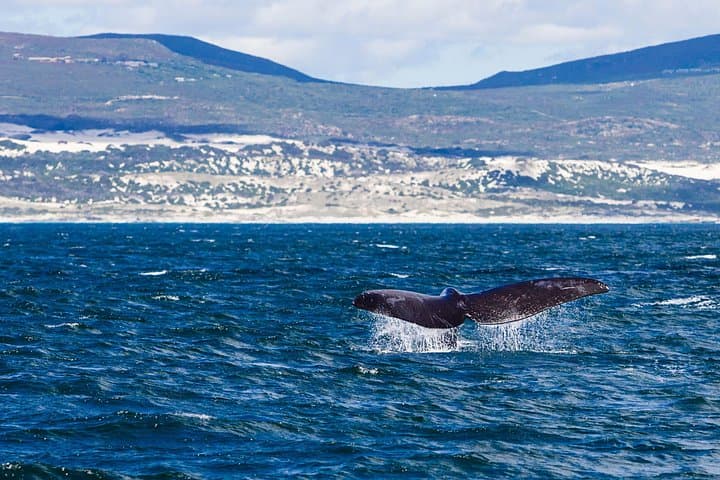
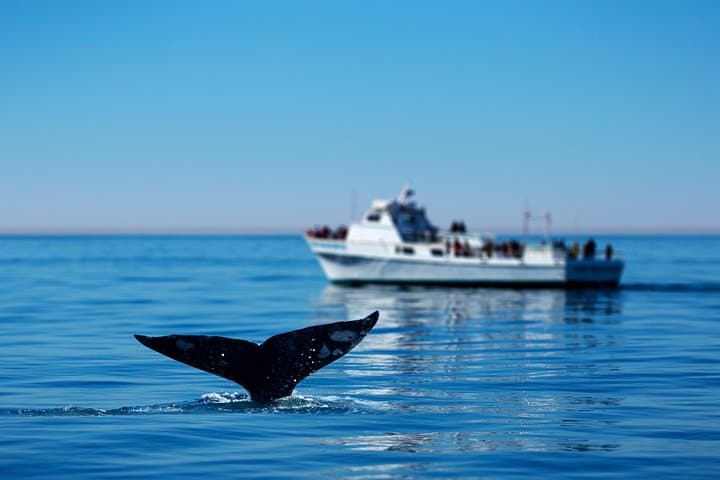
This is an experiential, ocean-facing day: prepare for wind, variable light, and sudden, unforgettable moments when the sea lifts a whale’s tail and the bay seems to hold its breath.
moderate.
8–9 hours.
Moderate fitness; must be able to get on/off a boat and stand for extended periods with occasional movement on a pitching deck.
Southern Right Whales are most commonly seen June through November, with peak activity in winter and early spring; sightings can occur year-round but are less frequent in summer.
Tours typically cancel in unsafe weather; check the operator’s policy—most offer a full refund if canceled at least 24 hours in advance or due to bad weather.
Yes—children are allowed but infants may need to sit on an adult’s lap; operators often note stroller accessibility for shore transfer but ensure child safety on deck.
No specialized experience is required, but a moderate level of mobility and comfort with uneven, moving surfaces is necessary.
Hermanus transitioned from a 19th-century fishing settlement into a whale-watching destination after whale shore sightings grew, and it now blends maritime heritage with marine research.
Operators follow strict approach distances and engine-off viewing to minimize disturbance; visitors are asked to avoid single-use plastics and follow crew guidance to protect local marine habitats.
Bakunda Travel and Tours operates guided outdoor trips and adventures with an emphasis on safety, stewardship, and memorable experiences.
The boat slips off Hermanus’s rocky shore and the cold Atlantic air sharpens your senses; gulls ride the wind and the water pulls at the hull as you follow the sweep of Walker Bay.
The boat slips off Hermanus’s rocky shore and the cold Atlantic air sharpens your senses; gulls ride the wind and the water pulls at the hull as you follow the sweep of Walker Bay.
This stretch of the Western Cape has long been a rendezvous for Southern Right Whales, drawn by sheltered bays and abundant krill. Geologically, the coastline is a patchwork of Cape Fold sandstone and eroded cliffs that funnel nutrients from the Benguela Current, creating rich feeding grounds. Hermanus grew from a fishing village into one of the world’s best shore- and boat-based whale-watching hubs, with local guides blending maritime lore and marine-science observations.
Expect the crew to scan the horizon, call out blows, and ease the boat close—engines off—so you can see ridged backs and barnacled calluses. Dolphins often skateboard the bow wake; Cape fur seals sun themselves on offshore rocks. The top deck is best for photos when weather allows; binoculars bring the distant flukes into intimate scale.
Practical notes: tours commonly run 8–9 hours including travel and hotel transfers, so dress in layers, wear non-slip shoes, and bring motion-sickness prevention. Peak sightings run June–November, but wildlife is present year-round. Respect the guides’ instructions during quiet approaches—less noise keeps whales calm and sightings safe.
This is an experiential, ocean-facing day: prepare for wind, variable light, and sudden, unforgettable moments when the sea lifts a whale’s tail and the bay seems to hold its breath.