THE ADVENTURE COLLECTIVE® · Independent discovery and booking for outdoor travel

Taste your way through Hermanus’s cliff-side cafés and family-run eateries on a 3-hour walking tour that pairs local food with sweeping ocean views and seasonal whale sightings. Perfect for travelers who want a short, food-focused introduction to the town.
Taste your way through Hermanus’s cliff-side cafés and family-run eateries on a 3-hour walking tour that pairs local food with sweeping ocean views and seasonal whale sightings. Perfect for travelers who want a short, food-focused introduction to the town.
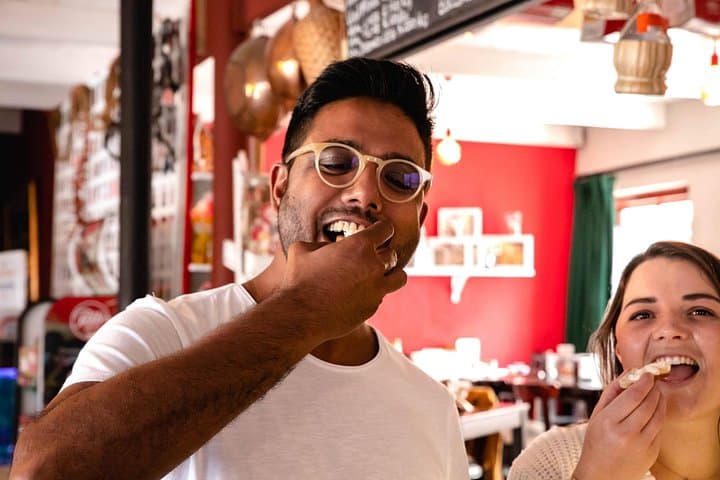
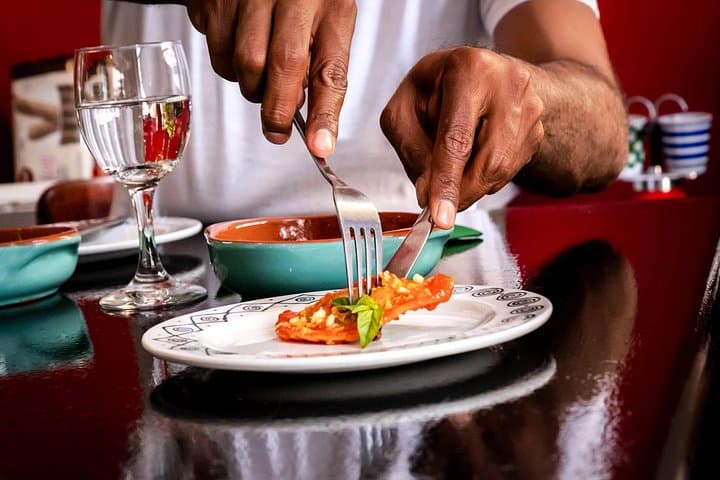
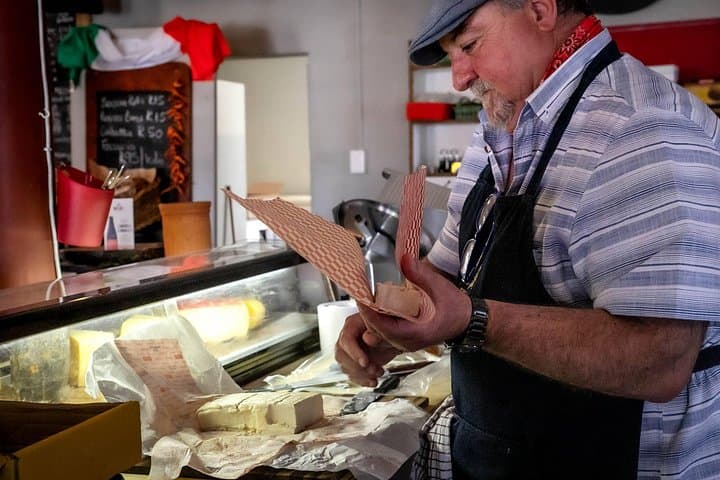
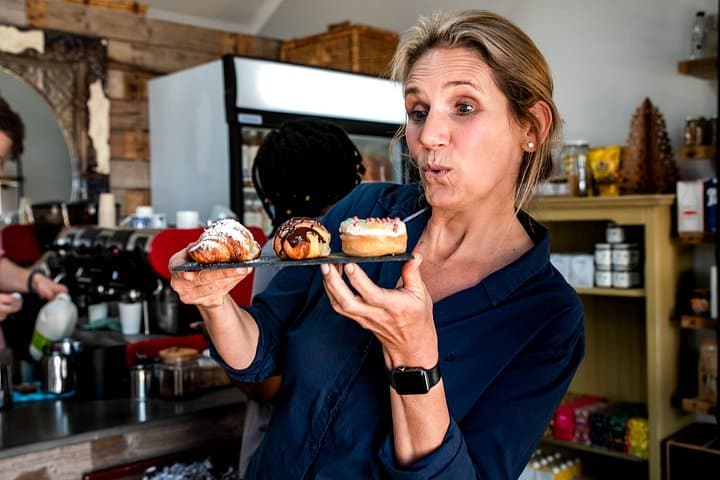
A fresh ocean breeze cuts across the cliff path as the group steps away from the old harbour, coffee steam mingling with sea spray. The tour threads between low sandstone bluffs and tidy streets, pausing at cafés, family-run shops and a seafood counter where abalone and biltong are offered in tasting portions. Along this 1.5 km route the cliffs demand your attention; whales often answer with a tail or breath, turning the shoreline into a living theater.
Verified experiences and guided adventures in the surrounding area.
Operated by Eat Like a Local Cape Town · Hermanus, Western Cape
A fresh ocean breeze cuts across the cliff path as the group steps away from the old harbour, coffee steam mingling with sea spray. The tour threads between low sandstone bluffs and tidy streets, pausing at cafés, family-run shops and a seafood counter where abalone and biltong are offered in tasting portions. Along this 1.5 km route the cliffs demand your attention; whales often answer with a tail or breath, turning the shoreline into a living theater.
Hermanus grew from a 19th-century fishing settlement around the Old Harbour; its cliffs are ancient Cape Fold sandstone, sculpted by waves into platforms and coves that shaped local livelihoods. The town’s food scene reflects that history—seafood, small-batch preserves and Cape Malay influences—served by multi-generational artisans who source from local fisheries and farms.
Practically, expect mostly flat walking with one short climb, roughly three hours including up to 15 tastings and wine pairings. Wear grippy shoes for rocky viewpoints and arrive hungry: portions are tasting-sized but generous in variety. The best months for whale watching run July–November; outside that window the focus shifts more to market flavours and artisan stories. Bring sun protection, a reusable bottle and any dietary notes when you book; guides adapt stops but can’t guarantee substitutions for severe allergies. Tours operate in small groups, start in town centre, and make multiple short stops—ideal as an introductory half-day that combines coastal scenery, culinary sampling, and local history.
easy.
3 hours.
Light walking ability; suitable for most fitness levels with one short climb.
Yes—up to 15 tasting portions and regional drinks are included in the price; expect small plates at multiple stops.
Guides can usually adapt stops for common preferences, but the operator requests prior notice for serious allergies since some tastings include shellfish and cured meats.
The route is mostly flat with one short climb and frequent stops, making it suitable for families and older participants with moderate mobility.
Southern right whales are most commonly seen from July through November; outside those months the tour emphasizes local food and craft culture.
Hermanus expanded from a mid-19th-century fishing and provisioning settlement centered on the Old Harbour; the town’s seafood traditions reflect that coastal past.
The coastline overlaps important marine habitat—respect viewing distances for whales, avoid disturbing tidal pools, and support local businesses practicing sustainable sourcing.
Eat Like a Local Cape Town operates guided outdoor trips and adventures with an emphasis on safety, stewardship, and memorable experiences.
A fresh ocean breeze cuts across the cliff path as the group steps away from the old harbour, coffee steam mingling with sea spray. The tour threads between low sandstone bluffs and tidy streets, pausing at cafés, family-run shops and a seafood counter where abalone and biltong are offered in tasting portions. Along this 1.5 km route the cliffs demand your attention; whales often answer with a tail or breath, turning the shoreline into a living theater.
A fresh ocean breeze cuts across the cliff path as the group steps away from the old harbour, coffee steam mingling with sea spray. The tour threads between low sandstone bluffs and tidy streets, pausing at cafés, family-run shops and a seafood counter where abalone and biltong are offered in tasting portions. Along this 1.5 km route the cliffs demand your attention; whales often answer with a tail or breath, turning the shoreline into a living theater.
Hermanus grew from a 19th-century fishing settlement around the Old Harbour; its cliffs are ancient Cape Fold sandstone, sculpted by waves into platforms and coves that shaped local livelihoods. The town’s food scene reflects that history—seafood, small-batch preserves and Cape Malay influences—served by multi-generational artisans who source from local fisheries and farms.
Practically, expect mostly flat walking with one short climb, roughly three hours including up to 15 tastings and wine pairings. Wear grippy shoes for rocky viewpoints and arrive hungry: portions are tasting-sized but generous in variety. The best months for whale watching run July–November; outside that window the focus shifts more to market flavours and artisan stories. Bring sun protection, a reusable bottle and any dietary notes when you book; guides adapt stops but can’t guarantee substitutions for severe allergies. Tours operate in small groups, start in town centre, and make multiple short stops—ideal as an introductory half-day that combines coastal scenery, culinary sampling, and local history.