THE ADVENTURE COLLECTIVE® · Independent discovery and booking for outdoor travel

Experience whales from both cliff-top viewpoints and a private boat in Walker Bay. This guided tour pairs shore-based whale spotting with an optional boat approach for close encounters with southern right whales.
Experience whales from both cliff-top viewpoints and a private boat in Walker Bay. This guided tour pairs shore-based whale spotting with an optional boat approach for close encounters with southern right whales.
A gray Atlantic wind pushes whitecaps toward the cliff edge as the guide leads the small group to a vantage point where the ocean seems to hold its breath.
Verified experiences and guided adventures in the surrounding area.
Operated by Joel · Hermanus, Western Cape
A gray Atlantic wind pushes whitecaps toward the cliff edge as the guide leads the small group to a vantage point where the ocean seems to hold its breath.
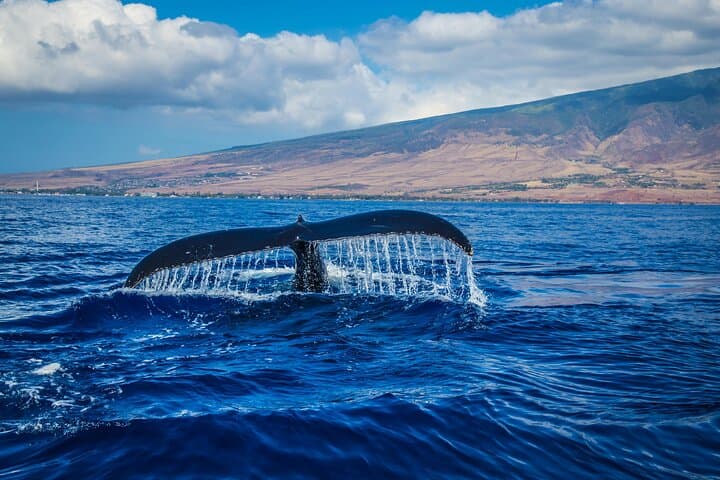
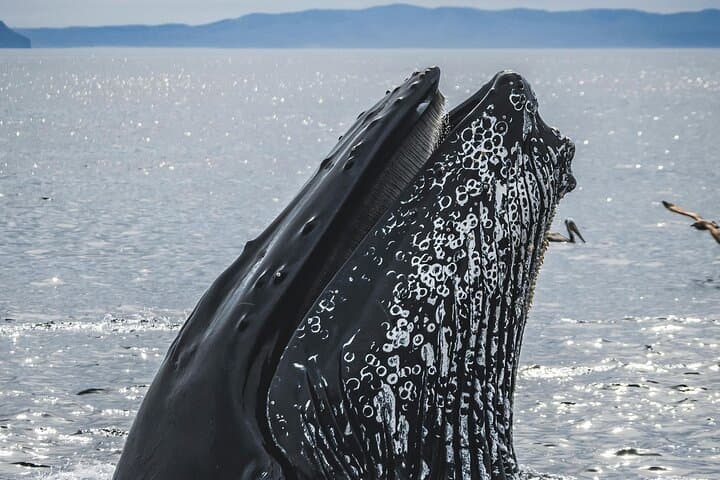
From Hermanus’s coastal path the water reaches in close—southern right whales often glide within meters of the shore, their blows punctuating the air. Guides scan the bay with binoculars and local lore; the Whale Crier still walks the town, horn in hand, alerting visitors to sightings and connecting this moment to a living tradition.
Geologically, the cliffs are old sedimentary benches carved by wave action and seasonal storms; the bay’s sheltered shape and nutrient-rich upwelling draw whales and schooling fish. Hermanus evolved from a fishing village and hunting port into a conservation-minded town famed for shore-based watching, with boat operators offering closer approaches in Walker Bay when conditions allow.
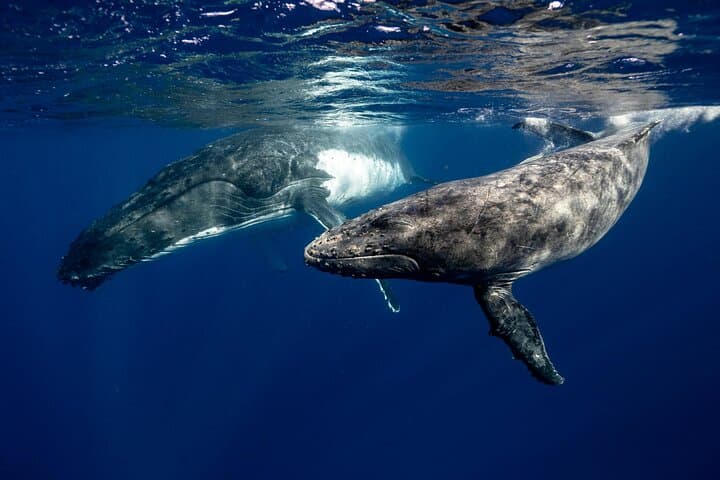
Expect two modes of observation: patient cliff-side spotting that rewards quiet attention, and a shorter boat run that brings breaching and calf interactions into vivid relief. Practicalities matter—bring windproof layers, a sun hat, and a charged camera; boats can be wet and the cliffs exposed.
Timing favors late winter to early spring (July–November) for southern right whale migration, and private transfers usually include pickup in Cape Town with door-to-door service. The guide will brief on safety, distance regulations, and wildlife etiquette before boarding. Hydrate, wear sturdy shoes for the cliff path, and let the rhythm of the sea dictate the pace—this is watching that asks you to slow down and watch carefully.
easy.
8 hours.
Suitable for most fitness levels; walking short cliff paths and boarding a small boat are required
Southern right whales are most commonly seen from July through November during the breeding and calving season, though some sightings occur outside these months.
Approach distances are governed by regulations and guide judgement; boats aim to get close enough for viewing without disturbing the animals—often within tens of meters for clear sightings.
Cliff watching is accessible and stroller-friendly in many spots; boat boarding may require steps—operators often provide pickup and can advise on specific accessibility needs.
Look for dolphins, Cape fur seals on rocks, and seabirds; on rare occasions local great white shark activity is reported in adjacent areas.
Hermanus transitioned from a 19th-century fishing and whaling community to a conservation-focused town; the Whale Crier tradition began as a practical signal that evolved into a cultural attraction.
Walker Bay and nearby marine areas are managed with species protections and approach guidelines—respect distance rules, avoid litter, and follow guide instructions to minimize disturbance.
Joel operates guided outdoor trips and adventures with an emphasis on safety, stewardship, and memorable experiences.
A gray Atlantic wind pushes whitecaps toward the cliff edge as the guide leads the small group to a vantage point where the ocean seems to hold its breath.
A gray Atlantic wind pushes whitecaps toward the cliff edge as the guide leads the small group to a vantage point where the ocean seems to hold its breath.
From Hermanus’s coastal path the water reaches in close—southern right whales often glide within meters of the shore, their blows punctuating the air. Guides scan the bay with binoculars and local lore; the Whale Crier still walks the town, horn in hand, alerting visitors to sightings and connecting this moment to a living tradition.
Geologically, the cliffs are old sedimentary benches carved by wave action and seasonal storms; the bay’s sheltered shape and nutrient-rich upwelling draw whales and schooling fish. Hermanus evolved from a fishing village and hunting port into a conservation-minded town famed for shore-based watching, with boat operators offering closer approaches in Walker Bay when conditions allow.
Expect two modes of observation: patient cliff-side spotting that rewards quiet attention, and a shorter boat run that brings breaching and calf interactions into vivid relief. Practicalities matter—bring windproof layers, a sun hat, and a charged camera; boats can be wet and the cliffs exposed.
Timing favors late winter to early spring (July–November) for southern right whale migration, and private transfers usually include pickup in Cape Town with door-to-door service. The guide will brief on safety, distance regulations, and wildlife etiquette before boarding. Hydrate, wear sturdy shoes for the cliff path, and let the rhythm of the sea dictate the pace—this is watching that asks you to slow down and watch carefully.