THE ADVENTURE COLLECTIVE® · Independent discovery and booking for outdoor travel

Head out from Hermanus New Harbour for guided catamaran whale watching with a specialist on board. Expect 2–3 hour trips, expert interpretation, and high chances of seeing southern right whales between June and November.
Head out from Hermanus New Harbour for guided catamaran whale watching with a specialist on board. Expect 2–3 hour trips, expert interpretation, and high chances of seeing southern right whales between June and November.
A low, briny wind cuts across Hermanus New Harbour as the catamaran slips free of the quay and the town shrinks behind you. The deck hums with quiet anticipation: binoculars click into focus, the whale specialist scans the surface, and the ocean itself seems to lean in, nudging the boat toward a distant spout.
Verified experiences and guided adventures in the surrounding area.
Operated by Paul polano tours · Hermanus, Western Cape
A low, briny wind cuts across Hermanus New Harbour as the catamaran slips free of the quay and the town shrinks behind you. The deck hums with quiet anticipation: binoculars click into focus, the whale specialist scans the surface, and the ocean itself seems to lean in, nudging the boat toward a distant spout.
This stretch of coastline on South Africa’s Overberg is carved from Cape Fold sandstone and framed by fynbos slopes. Hermanus grew from a 19th‑century fishing settlement into a world-famous whale-watching hub after locals realized southern right whales returned reliably to calve in nearby bays. Geology here creates shallow, protected waters that whales favor for nursing and social behavior; Bryde’s whales, humpbacks on migration, dolphins, and Cape fur seals are also regulars.
Onboard, expect a short orientation, expert narration from a whale specialist, and a professional videographer capturing highlights. Trips typically run around 2.5 hours on the water (weather permitting) and launch from Hermanus New Harbour. Wear layers: spray and wind cut colder than the shore temperature. Bring binoculars and a camera with a zoom lens; the boat gives comfortable viewing and close encounters without disturbing animals when rules are followed.
Practical: trips may be rescheduled for sea state, are not recommended for pregnant travelers or those with serious heart conditions, and include light refreshments and bottled water. Aim for morning departures for calmer seas and steadier light for photos. Respect distance and listen to the guide—these policies keep whales wild and future sightings reliable.
easy.
2–4 hours.
Suitable for most fitness levels; requires ability to step on/off a low gangway and stand or move on deck for up to 2–3 hours
Peak season runs June through November, with calving and close inshore activity most common in winter (June–August) and spring (September–October).
Expect southern right whales most commonly; Bryde’s whales occur year‑round nearshore, and you may also encounter humpbacks (migration), common bottlenose dolphins, and Cape fur seals.
Generally yes—this activity is rated easy and suitable for most ages, but it’s not recommended for pregnant travelers or people with serious heart conditions; check with the operator if you have mobility limits.
Trips are weather permitting; departures can be rescheduled or cancelled for safety with refunds if you cancel at least 24 hours beforehand—operators prioritize passenger safety and animal welfare.
Hermanus began as a 19th‑century fishing village and became a whale‑watching destination after residents noticed predictable seasonal returns of southern right whales; protection measures helped the population recover.
Maintain respectful distance, follow guide instructions, and avoid single‑use plastics; local operators work with conservation groups to monitor whale health and minimize disturbance.
Paul polano tours operates guided outdoor trips and adventures with an emphasis on safety, stewardship, and memorable experiences.
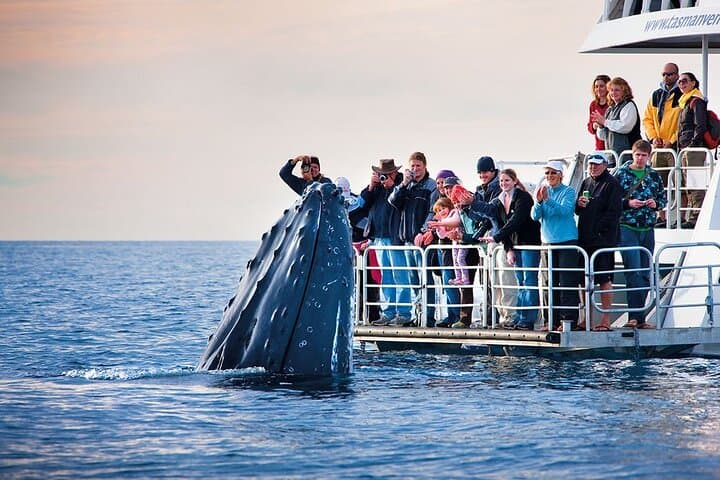
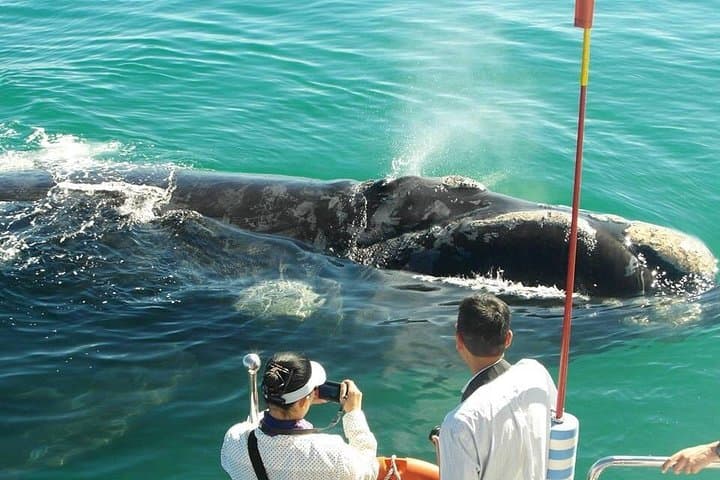
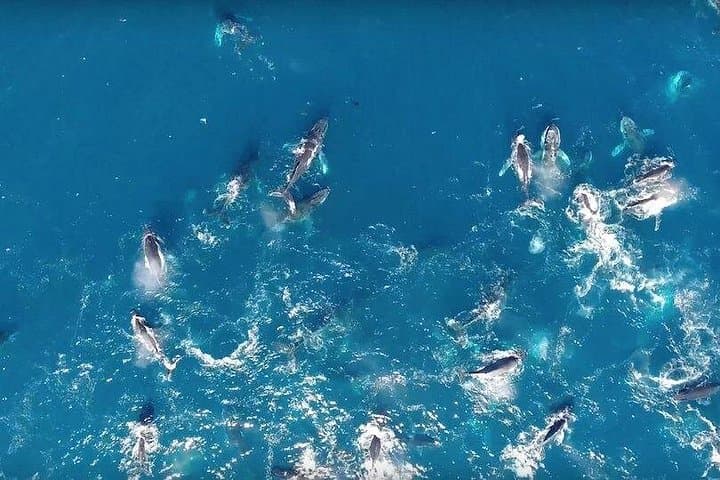
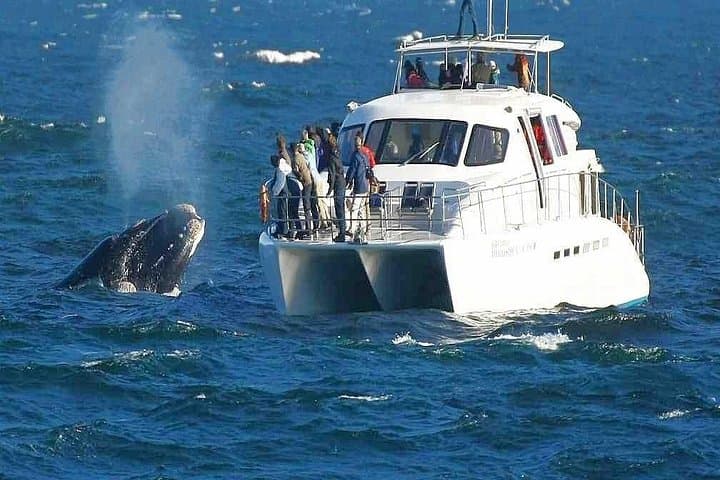
A low, briny wind cuts across Hermanus New Harbour as the catamaran slips free of the quay and the town shrinks behind you. The deck hums with quiet anticipation: binoculars click into focus, the whale specialist scans the surface, and the ocean itself seems to lean in, nudging the boat toward a distant spout.
A low, briny wind cuts across Hermanus New Harbour as the catamaran slips free of the quay and the town shrinks behind you. The deck hums with quiet anticipation: binoculars click into focus, the whale specialist scans the surface, and the ocean itself seems to lean in, nudging the boat toward a distant spout.
This stretch of coastline on South Africa’s Overberg is carved from Cape Fold sandstone and framed by fynbos slopes. Hermanus grew from a 19th‑century fishing settlement into a world-famous whale-watching hub after locals realized southern right whales returned reliably to calve in nearby bays. Geology here creates shallow, protected waters that whales favor for nursing and social behavior; Bryde’s whales, humpbacks on migration, dolphins, and Cape fur seals are also regulars.
Onboard, expect a short orientation, expert narration from a whale specialist, and a professional videographer capturing highlights. Trips typically run around 2.5 hours on the water (weather permitting) and launch from Hermanus New Harbour. Wear layers: spray and wind cut colder than the shore temperature. Bring binoculars and a camera with a zoom lens; the boat gives comfortable viewing and close encounters without disturbing animals when rules are followed.
Practical: trips may be rescheduled for sea state, are not recommended for pregnant travelers or those with serious heart conditions, and include light refreshments and bottled water. Aim for morning departures for calmer seas and steadier light for photos. Respect distance and listen to the guide—these policies keep whales wild and future sightings reliable.