THE ADVENTURE COLLECTIVE® · Independent discovery and booking for outdoor travel

Ride a heritage trolley through Al Fahidi and along Dubai Creek to taste Emirati hospitality, explore historic sites and learn local customs in a compact four-hour tour. This accessible cultural loop mixes storytelling, food, and short walks through the city’s oldest neighborhoods.
Ride a heritage trolley through Al Fahidi and along Dubai Creek to taste Emirati hospitality, explore historic sites and learn local customs in a compact four-hour tour. This accessible cultural loop mixes storytelling, food, and short walks through the city’s oldest neighborhoods.
The trolley slips away from a sunbaked curb and into the narrow lanes of Al Fahidi, the city’s oldest quarter, where wind towers cast slow-moving shadows and Arabic coffee steams on low tables. You feel the city’s edges—salted creek air, the murmur of vendors at the abra station, the mosque’s minaret marking a patient rhythm—while a guide explains customs as the trolley pauses at simple, lived-in sites.
Verified experiences and guided adventures in the surrounding area.
Operated by Dream Days Tourism · Dubai, Dubai
The trolley slips away from a sunbaked curb and into the narrow lanes of Al Fahidi, the city’s oldest quarter, where wind towers cast slow-moving shadows and Arabic coffee steams on low tables. You feel the city’s edges—salted creek air, the murmur of vendors at the abra station, the mosque’s minaret marking a patient rhythm—while a guide explains customs as the trolley pauses at simple, lived-in sites.
This four-hour Heritage Express traces Dubai’s arc from fishing and pearling port to modern metropolis. Stops include Al Fahidi’s labyrinthine alleys, the Dubai Museum (in the 18th-century Al Fahidi Fort), a short stretch along the creek and a view of Jumeirah Mosque—each location revealing layers of trade, migration and the pragmatism of desert life that shaped Emirati culture.
The experience balances storytelling with sensory moments: dates and Arabic coffee in a courtyard, a chance to sit on floor cushions, and the tactile feel of wooden tram seats on a historic route. Geology is subtle here—sand, salt flats and coastal silt formed the creek that made Dubai a trading hub—and culture is woven into everyday objects and hospitality rituals.
Practical guide: dress modestly, bring sun protection and a refillable water bottle, and plan for short, flat walks between stops. The trolley is wheelchair accessible and paced for a broad audience, but summers can be intensely hot—book morning slots and expect shaded rests. For visitors who want context as well as atmosphere, this is a low-effort, high-reward introduction to Emirati life.
easy.
4 hours.
Suitable for all fitness levels; mostly seated with short, flat walks between stops
Yes—transportation and stops are listed as wheelchair accessible; notify the operator of needs when booking.
Yes—guests are provided a selection of local dishes, Arabic coffee, dates and dessert as part of the cultural experience.
Yes—infants can ride in strollers or sit on laps; the tour is family-friendly but contains some short walks and cultural etiquette to observe.
Guides typically deliver content in English; check with the operator for additional language support when booking.
Dubai grew from a small fishing and pearling community on the creek; Al Fahidi Fort (now Dubai Museum) anchors much of the city’s recorded history and trade legacy.
Local efforts focus on preserving historic buildings and managing coastal wetlands; visitors can support conservation by staying on marked paths and avoiding littering.
Dream Days Tourism operates guided outdoor trips and adventures with an emphasis on safety, stewardship, and memorable experiences.
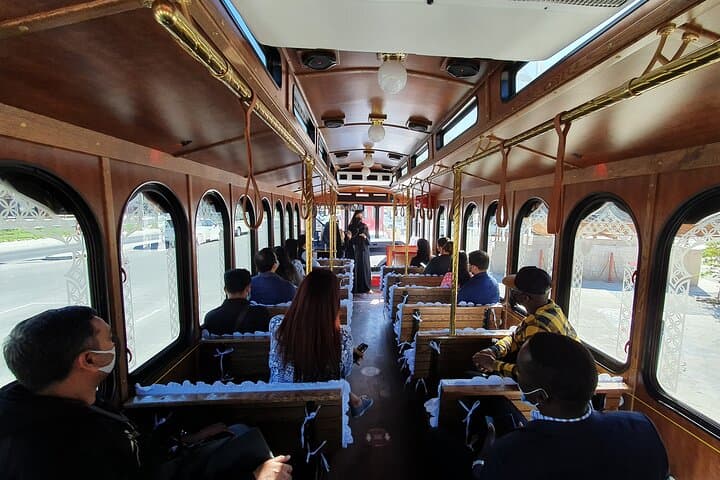
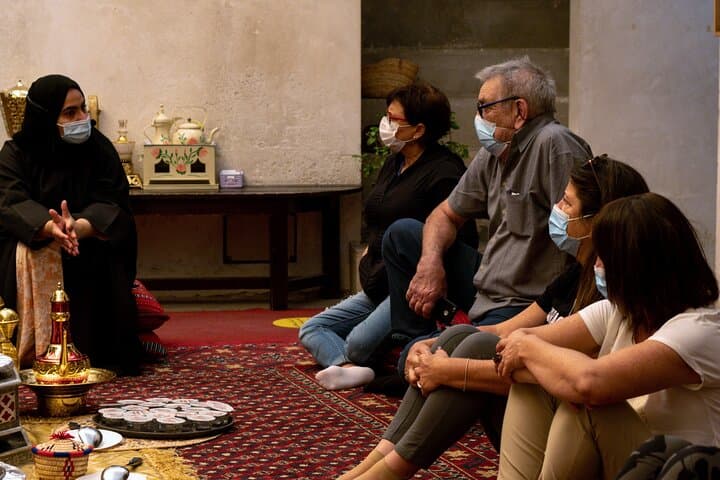
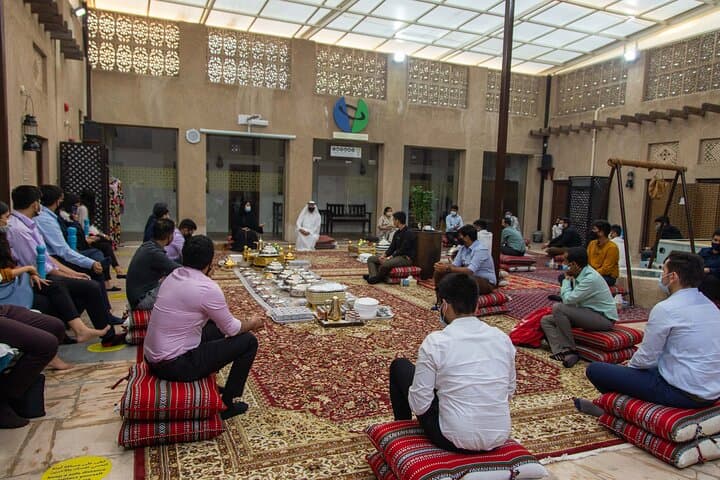
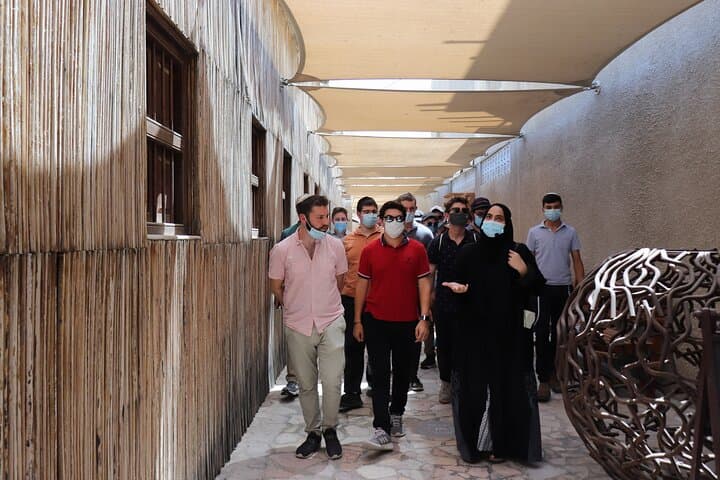
The trolley slips away from a sunbaked curb and into the narrow lanes of Al Fahidi, the city’s oldest quarter, where wind towers cast slow-moving shadows and Arabic coffee steams on low tables. You feel the city’s edges—salted creek air, the murmur of vendors at the abra station, the mosque’s minaret marking a patient rhythm—while a guide explains customs as the trolley pauses at simple, lived-in sites.
The trolley slips away from a sunbaked curb and into the narrow lanes of Al Fahidi, the city’s oldest quarter, where wind towers cast slow-moving shadows and Arabic coffee steams on low tables. You feel the city’s edges—salted creek air, the murmur of vendors at the abra station, the mosque’s minaret marking a patient rhythm—while a guide explains customs as the trolley pauses at simple, lived-in sites.
This four-hour Heritage Express traces Dubai’s arc from fishing and pearling port to modern metropolis. Stops include Al Fahidi’s labyrinthine alleys, the Dubai Museum (in the 18th-century Al Fahidi Fort), a short stretch along the creek and a view of Jumeirah Mosque—each location revealing layers of trade, migration and the pragmatism of desert life that shaped Emirati culture.
The experience balances storytelling with sensory moments: dates and Arabic coffee in a courtyard, a chance to sit on floor cushions, and the tactile feel of wooden tram seats on a historic route. Geology is subtle here—sand, salt flats and coastal silt formed the creek that made Dubai a trading hub—and culture is woven into everyday objects and hospitality rituals.
Practical guide: dress modestly, bring sun protection and a refillable water bottle, and plan for short, flat walks between stops. The trolley is wheelchair accessible and paced for a broad audience, but summers can be intensely hot—book morning slots and expect shaded rests. For visitors who want context as well as atmosphere, this is a low-effort, high-reward introduction to Emirati life.