THE ADVENTURE COLLECTIVE® · Independent discovery and booking for outdoor travel

Walk Roman streets frozen in ash, climb close to the rim of Vesuvius and finish with a vineyard tasting — an 8‑hour shore excursion that pairs archaeology, volcanic landscape and Campanian wine. Practical tips for the uphill walk and what to pack inside.
Walk Roman streets frozen in ash, climb close to the rim of Vesuvius and finish with a vineyard tasting — an 8‑hour shore excursion that pairs archaeology, volcanic landscape and Campanian wine. Practical tips for the uphill walk and what to pack inside.
You arrive from the Bay of Naples and, within an hour, the modern noise softens into the rough, pumice-strewn slopes of Vesuvius National Park.
Verified experiences and guided adventures in the surrounding area.
Operated by Amalfishorexcurtions · Ercolano, Campania
You arrive from the Bay of Naples and, within an hour, the modern noise softens into the rough, pumice-strewn slopes of Vesuvius National Park.
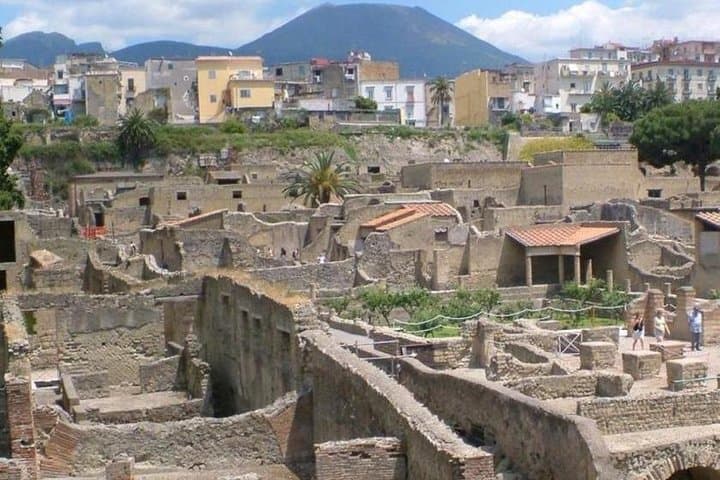
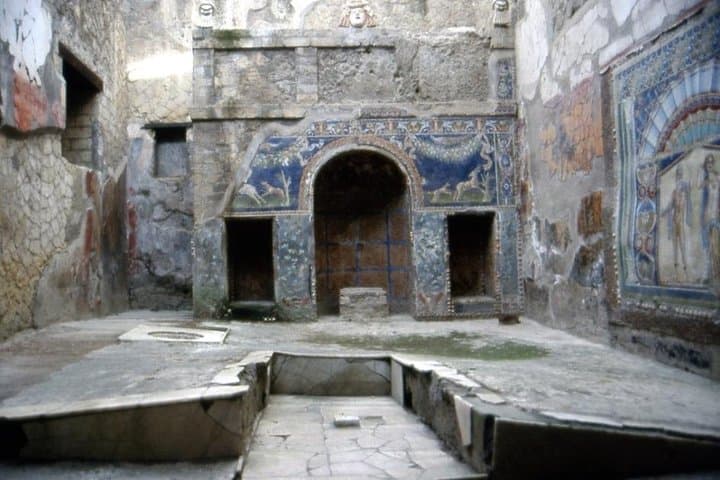
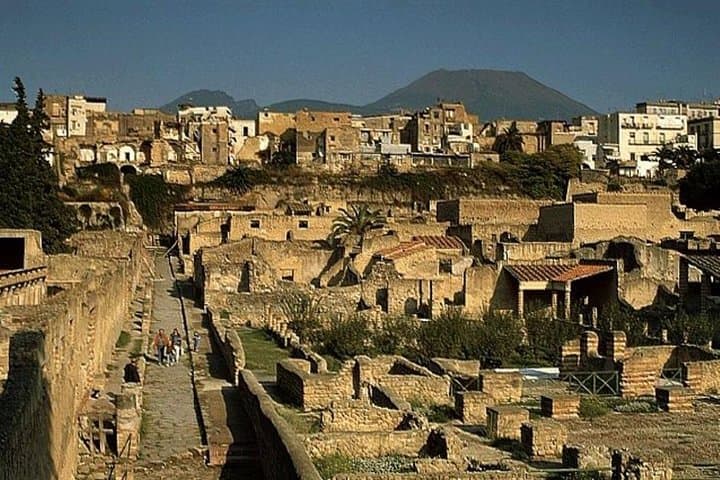
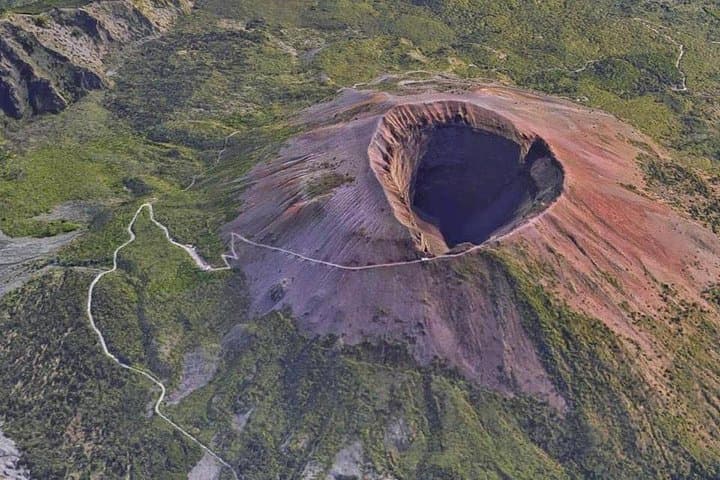
Ancient stone gives way to gorse and umbrella pines as the road climbs; the crater looms ahead, its lip a raw circle that dares you to step close and look down into the caldera. Earlier in the day you'll have walked the narrow streets of Herculaneum, where ash sealed villas and frescoes so precisely that faces and wooden beams feel unexpectedly immediate.
The route ties geology to culture: Vesuvius is the restless neighbor that buried Herculaneum in 79 AD, preserving Roman urban life in remarkable detail. The volcano’s layered deposits — dense ash and lava flows — explain why mosaics and wooden structures survived here better than in Pompeii. After the archaeology, the tour shifts to softer slopes where winemaking has adapted to mineral-rich soils; a small estate tour by electric cart explains local varieties and yields a focused tasting of Aglianico and Falanghina.
Practicalities are direct. Expect roughly 8 hours total with moderate walking: cobbled archaeological lanes, a 300-meter uphill walk from the Vesuvius parking lot to the crater rim over loose volcanic rock, and standing during tastings and guided segments. Wear grippy shoes, bring 1–1.5 liters of water, sun protection, and a light wind layer. Mobility options exist for shore arrivals, but confirm pickup and accessibility needs in advance.
moderate.
8 hours.
Suitable for guests who can walk short uphill sections (~300 m) on uneven volcanic rock and stand for guided tours.
This shore excursion typically does not include archaeological site admission; check the booking details and bring cash or card for tickets if required.
The official walk from the parking area to the crater is about 300 meters with some uneven, rocky ground — short but moderately strenuous for those with limited mobility.
Tastings are included, while a full lunch at the winery is usually optional and available at extra cost; confirm when booking.
Transportation and many shore logistics are wheelchair accessible, but access to archaeological ruins and the crater rim may be limited; verify specific needs with the operator before booking.
Herculaneum was buried by the 79 AD eruption of Vesuvius and is exceptionally preserved; Vesuvius itself has been intermittently active, with the last major eruption in 1944.
Vesuvius National Park manages footpaths and visitor numbers to protect fragile soils and endemic plants; stay on trails and support local wineries practicing sustainable viticulture.
Amalfishorexcurtions operates guided outdoor trips and adventures with an emphasis on safety, stewardship, and memorable experiences.
You arrive from the Bay of Naples and, within an hour, the modern noise softens into the rough, pumice-strewn slopes of Vesuvius National Park.
You arrive from the Bay of Naples and, within an hour, the modern noise softens into the rough, pumice-strewn slopes of Vesuvius National Park.
Ancient stone gives way to gorse and umbrella pines as the road climbs; the crater looms ahead, its lip a raw circle that dares you to step close and look down into the caldera. Earlier in the day you'll have walked the narrow streets of Herculaneum, where ash sealed villas and frescoes so precisely that faces and wooden beams feel unexpectedly immediate.
The route ties geology to culture: Vesuvius is the restless neighbor that buried Herculaneum in 79 AD, preserving Roman urban life in remarkable detail. The volcano’s layered deposits — dense ash and lava flows — explain why mosaics and wooden structures survived here better than in Pompeii. After the archaeology, the tour shifts to softer slopes where winemaking has adapted to mineral-rich soils; a small estate tour by electric cart explains local varieties and yields a focused tasting of Aglianico and Falanghina.
Practicalities are direct. Expect roughly 8 hours total with moderate walking: cobbled archaeological lanes, a 300-meter uphill walk from the Vesuvius parking lot to the crater rim over loose volcanic rock, and standing during tastings and guided segments. Wear grippy shoes, bring 1–1.5 liters of water, sun protection, and a light wind layer. Mobility options exist for shore arrivals, but confirm pickup and accessibility needs in advance.