THE ADVENTURE COLLECTIVE® · Independent discovery and booking for outdoor travel

Walk the compact streets of Herculaneum on a focused 2-hour guided tour that brings Roman domestic life into sharp relief. Learn the story of Vesuvius’ pyroclastic surge, see preserved wooden structures, and get practical tips for getting there and what to bring.
Walk the compact streets of Herculaneum on a focused 2-hour guided tour that brings Roman domestic life into sharp relief. Learn the story of Vesuvius’ pyroclastic surge, see preserved wooden structures, and get practical tips for getting there and what to bring.
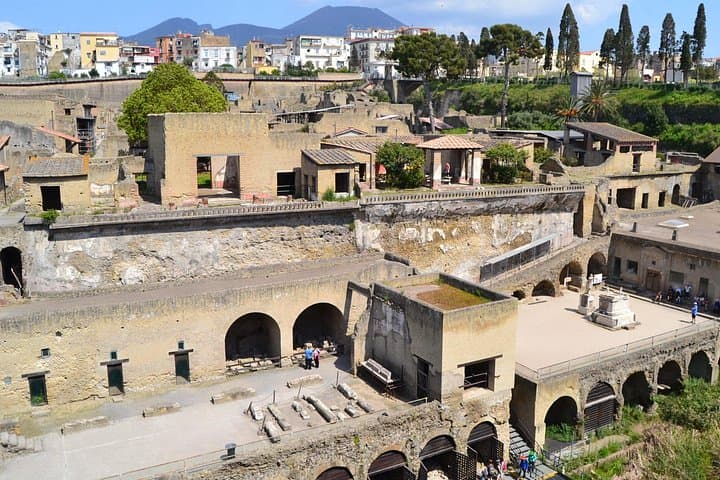
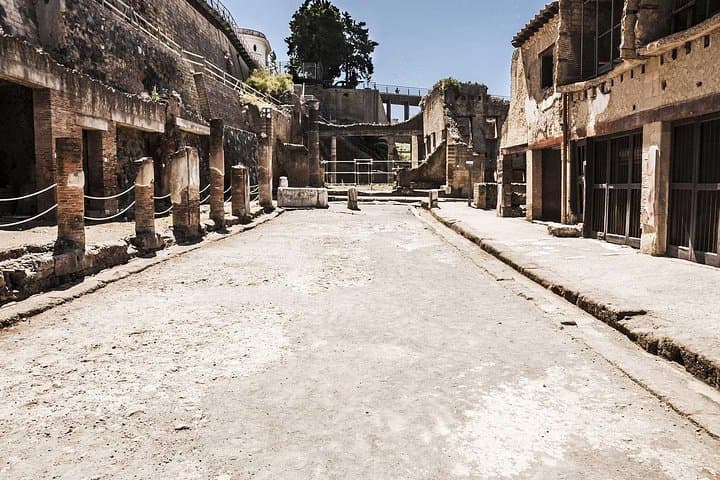
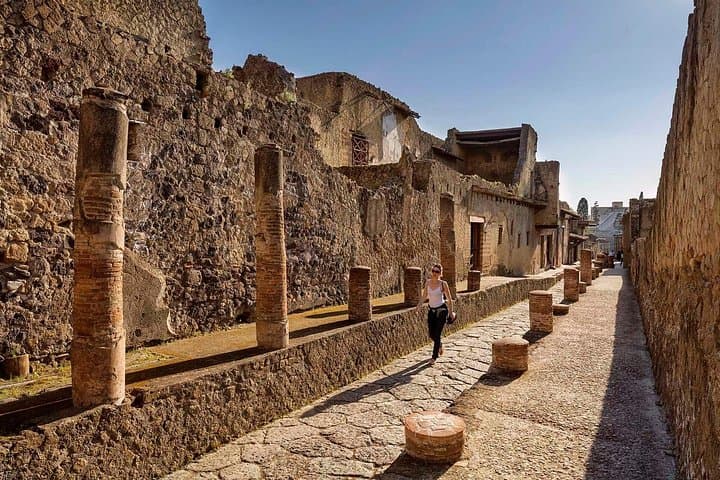
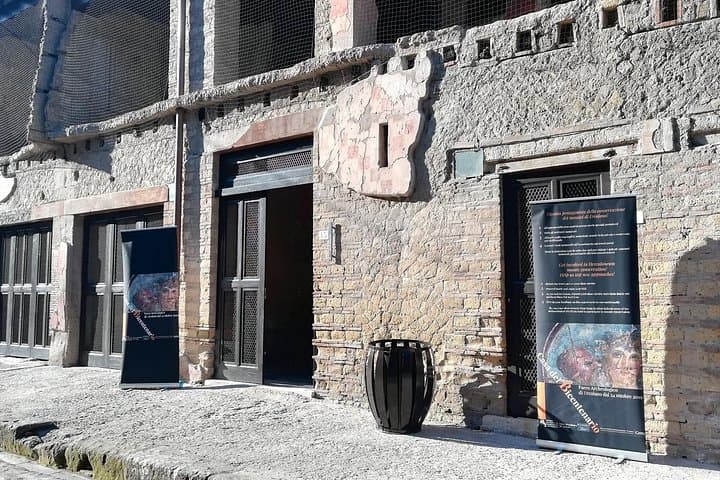
The stones are warm from the sun and the sea air pushes through the narrow streets as the guide opens a gate — you step into a city frozen by one violent afternoon in 79 AD. Herculaneum’s compact blocks and intact wooden beams bring a different cadence than Pompeii: here the ash sealed organic detail so for a few hours you move among houses, baths and a shoreline that still remembers the mountain’s rage.
Verified experiences and guided adventures in the surrounding area.
Operated by Campania Visits and Tours · Ercolano, Campania
The stones are warm from the sun and the sea air pushes through the narrow streets as the guide opens a gate — you step into a city frozen by one violent afternoon in 79 AD. Herculaneum’s compact blocks and intact wooden beams bring a different cadence than Pompeii: here the ash sealed organic detail so for a few hours you move among houses, baths and a shoreline that still remembers the mountain’s rage.
Geology and history arrive together: Mount Vesuvius’ pyroclastic flows swept through in a high-temperature surge, carbonizing wood and preserving household life. Wealthy Romans chose this coast for summer villas; the town’s grid, mosaic floors and the occasional graffiti sketch tell a practical, domestic story rather than imperial spectacle. Local culture today is focused on conservation — the site’s excavations and the nearby town of Ercolano balance tourism with archaeological care.
Practically, this is a 90–120 minute walking tour over uneven ancient paving stones with stairs and low thresholds. Wear sturdy shoes and sun protection; bring a small bottle of water. The meeting point is in Ercolano, reachable by Circumvesuviana train from Naples (c. 20–30 minutes). Guides explain the key monuments, point out preservation work and advise where photography is allowed; admission is included with this tour.
Timing matters: late afternoon light accentuates textures and crowds thin compared with mid-day. Move deliberately, step off the main alleys to see preserved wooden beams and coastal views, and follow site rules — the ruins are fragile and require careful, respectful exploration.
easy.
2 hours.
Suitable for most fitness levels; requires steady walking and some stairs.
The guided visit lasts about 90–120 minutes, with a meeting time listed at the start and a guided walk through the main archaeological sectors.
Yes — this tour includes entrance to the Herculaneum archaeological site as noted in the booking details.
Ercolano Scavi is served by the Circumvesuviana train from Naples (20–30 minutes); the site is a short walk from the station.
Accessibility is limited: many pathways have uneven stone and steps. Contact the operator ahead for assistance or alternative arrangements.
Herculaneum was overwhelmed by high-temperature pyroclastic flows in 79 AD that preserved organic material and household detail, making it one of the most informative Roman sites for everyday life.
Visitor impact is managed through designated paths and controlled entries; continued conservation work focuses on stabilizing structures and preventing erosion from sea and weather.
Campania Visits and Tours operates guided outdoor trips and adventures with an emphasis on safety, stewardship, and memorable experiences.
The stones are warm from the sun and the sea air pushes through the narrow streets as the guide opens a gate — you step into a city frozen by one violent afternoon in 79 AD. Herculaneum’s compact blocks and intact wooden beams bring a different cadence than Pompeii: here the ash sealed organic detail so for a few hours you move among houses, baths and a shoreline that still remembers the mountain’s rage.
The stones are warm from the sun and the sea air pushes through the narrow streets as the guide opens a gate — you step into a city frozen by one violent afternoon in 79 AD. Herculaneum’s compact blocks and intact wooden beams bring a different cadence than Pompeii: here the ash sealed organic detail so for a few hours you move among houses, baths and a shoreline that still remembers the mountain’s rage.
Geology and history arrive together: Mount Vesuvius’ pyroclastic flows swept through in a high-temperature surge, carbonizing wood and preserving household life. Wealthy Romans chose this coast for summer villas; the town’s grid, mosaic floors and the occasional graffiti sketch tell a practical, domestic story rather than imperial spectacle. Local culture today is focused on conservation — the site’s excavations and the nearby town of Ercolano balance tourism with archaeological care.
Practically, this is a 90–120 minute walking tour over uneven ancient paving stones with stairs and low thresholds. Wear sturdy shoes and sun protection; bring a small bottle of water. The meeting point is in Ercolano, reachable by Circumvesuviana train from Naples (c. 20–30 minutes). Guides explain the key monuments, point out preservation work and advise where photography is allowed; admission is included with this tour.
Timing matters: late afternoon light accentuates textures and crowds thin compared with mid-day. Move deliberately, step off the main alleys to see preserved wooden beams and coastal views, and follow site rules — the ruins are fragile and require careful, respectful exploration.