THE ADVENTURE COLLECTIVE® · Independent discovery and booking for outdoor travel

A private full-day shore excursion from Heraklion that pairs the Minoan ruins of Knossos with the wind-swept Lasithi Plateau and an authentic olive-mill tasting. Expect archaeology, mountain panoramas, village life and hands-on food culture in a single 7–8 hour circuit.
A private full-day shore excursion from Heraklion that pairs the Minoan ruins of Knossos with the wind-swept Lasithi Plateau and an authentic olive-mill tasting. Expect archaeology, mountain panoramas, village life and hands-on food culture in a single 7–8 hour circuit.
You step off the ship into the bright, salt-scrubbed air of Heraklion and the road pulls you eastward — olive groves slip by, low scrub yielding to rising limestone flanks. Within an hour the ruins of Knossos appear, sun-bleached stone and painted fresco fragments holding the blind curve of a palace that once organized an entire Bronze Age island.
Verified experiences and guided adventures in the surrounding area.
Operated by Tours in Heraklion · Heraklion, Crete
You step off the ship into the bright, salt-scrubbed air of Heraklion and the road pulls you eastward — olive groves slip by, low scrub yielding to rising limestone flanks. Within an hour the ruins of Knossos appear, sun-bleached stone and painted fresco fragments holding the blind curve of a palace that once organized an entire Bronze Age island.
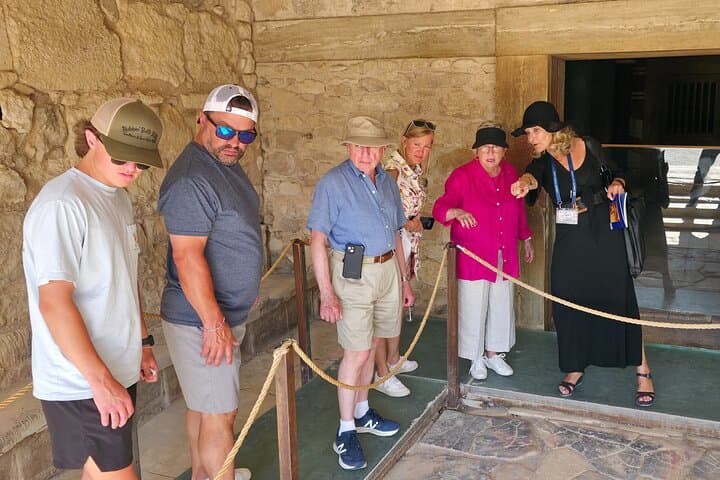
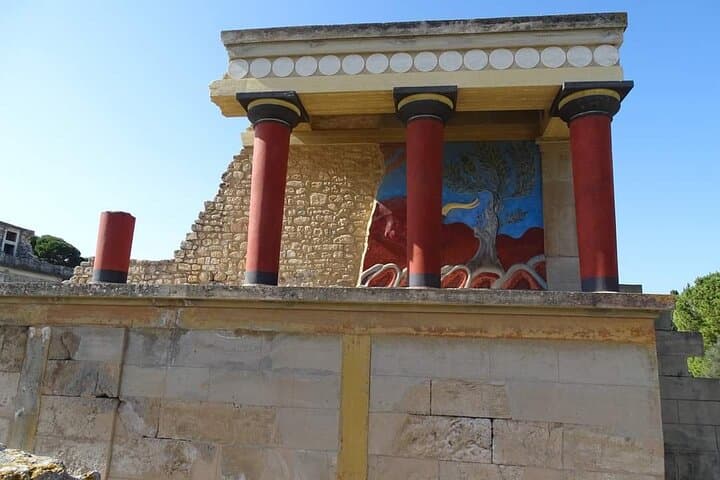
Knossos is where myth and archaeology intersect: King Minos, bull-leaping frescoes and a complex of courtyards, storerooms and the Throne Room survive as fragments of Europe’s earliest urban culture. Geologically, Crete’s central spine — the Dikti and Ida massifs — frames the journey, a rugged limestone sweep that channels rain into fertile basins like the Lasithi Plateau.
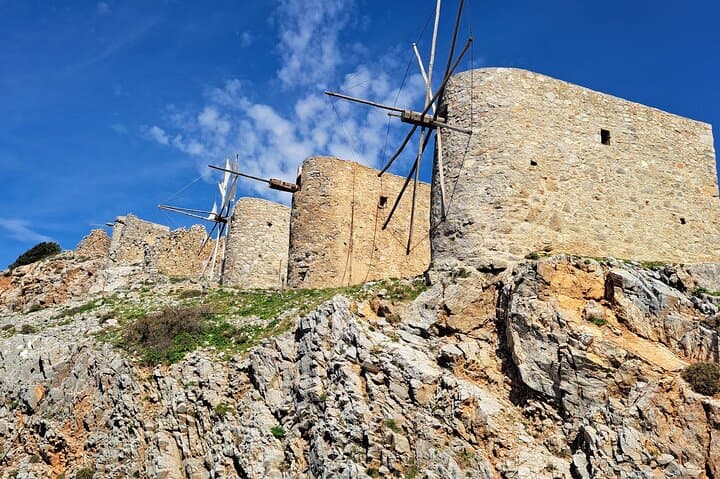
On the plateau, windmills wheel in steady Mistral gusts and Tzermiado’s kafeneio offers cooling coffee while stone houses and an ancient plane tree mark continuity between past and present. At a working olive mill you’ll see cold-press methods and taste fresh extra-virgin oil, its peppery finish a direct thread to Cretan tables for millennia.
Practical notes: this private shore excursion runs 7–8 hours with hotel or port pickup; expect light walking on uneven archaeological paths and village streets. Bring sun protection, a refillable water bottle, comfortable walking shoes with grip, and small-change for local purchases. Morning visits to Knossos avoid hottest light and the busiest crowds; keep your camera ready for sweeping plateau views and the windmill silhouettes that define Lasithi’s skyline.
easy.
7–8 hours.
Light to moderate walking ability; able to manage short uneven sections and stairs at archaeological sites.
The excursion lasts about 7–8 hours and includes private pickup and drop-off at the Heraklion port or nearby hotels.
Entrance fees are not included; bring a ticket or purchase on arrival depending on your booking details.
Visits typically include a guided walkthrough and tasting rather than hands-on pressing; arrangements vary by mill.
Yes — the tour is rated easy with mostly short walks; however, there are uneven surfaces and some short stair sections at Knossos that may be challenging for limited mobility.
Knossos was the ceremonial and political center of Minoan Crete, a Bronze Age civilization that shaped Aegean trade and myth; olive cultivation on Crete dates back thousands of years and remains central to local identity.
Respect archaeological paths and local farmland; support small producers by buying olive oil or ceramics directly, and avoid single-use plastics to reduce waste in fragile mountain communities.
Tours in Heraklion operates guided outdoor trips and adventures with an emphasis on safety, stewardship, and memorable experiences.
You step off the ship into the bright, salt-scrubbed air of Heraklion and the road pulls you eastward — olive groves slip by, low scrub yielding to rising limestone flanks. Within an hour the ruins of Knossos appear, sun-bleached stone and painted fresco fragments holding the blind curve of a palace that once organized an entire Bronze Age island.
You step off the ship into the bright, salt-scrubbed air of Heraklion and the road pulls you eastward — olive groves slip by, low scrub yielding to rising limestone flanks. Within an hour the ruins of Knossos appear, sun-bleached stone and painted fresco fragments holding the blind curve of a palace that once organized an entire Bronze Age island.
Knossos is where myth and archaeology intersect: King Minos, bull-leaping frescoes and a complex of courtyards, storerooms and the Throne Room survive as fragments of Europe’s earliest urban culture. Geologically, Crete’s central spine — the Dikti and Ida massifs — frames the journey, a rugged limestone sweep that channels rain into fertile basins like the Lasithi Plateau.
On the plateau, windmills wheel in steady Mistral gusts and Tzermiado’s kafeneio offers cooling coffee while stone houses and an ancient plane tree mark continuity between past and present. At a working olive mill you’ll see cold-press methods and taste fresh extra-virgin oil, its peppery finish a direct thread to Cretan tables for millennia.
Practical notes: this private shore excursion runs 7–8 hours with hotel or port pickup; expect light walking on uneven archaeological paths and village streets. Bring sun protection, a refillable water bottle, comfortable walking shoes with grip, and small-change for local purchases. Morning visits to Knossos avoid hottest light and the busiest crowds; keep your camera ready for sweeping plateau views and the windmill silhouettes that define Lasithi’s skyline.