THE ADVENTURE COLLECTIVE® · Independent discovery and booking for outdoor travel

Spend two hours sampling olive oil and dragon fruit while sharing a Cretan farmers brunch beneath ancient trees near Heraklion. This short, easy farm visit combines agricultural insight with hands-on tasting and seaside breezes.
Spend two hours sampling olive oil and dragon fruit while sharing a Cretan farmers brunch beneath ancient trees near Heraklion. This short, easy farm visit combines agricultural insight with hands-on tasting and seaside breezes.
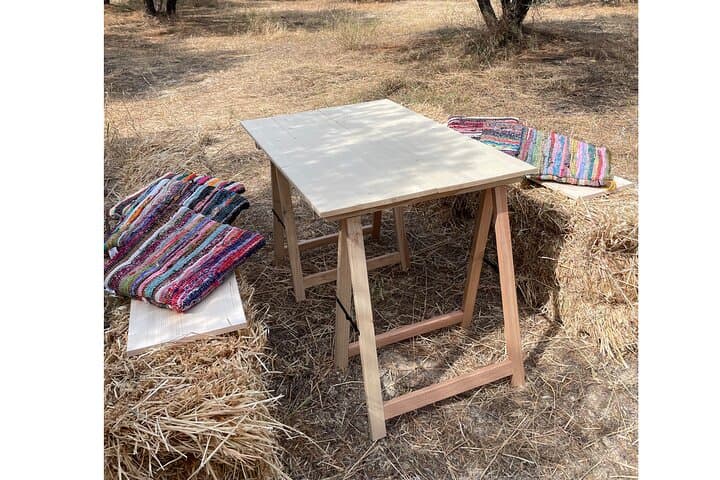
Olive branches shade a low stone table while the sea murmurs a kilometer away — that’s the opening scene at this working farm just outside Heraklion. Visitors move from gnarled olive trees to neat rows of dragon fruit, tasting the season as farmers do and finishing beneath the trees with a small, traditional Cretan brunch.
Verified experiences and guided adventures in the surrounding area.
Operated by Cretan Dragon Fruit Farm · Heraklion, Crete
Olive branches shade a low stone table while the sea murmurs a kilometer away — that’s the opening scene at this working farm just outside Heraklion. Visitors move from gnarled olive trees to neat rows of dragon fruit, tasting the season as farmers do and finishing beneath the trees with a small, traditional Cretan brunch.
The landscape here is shaped by millennia of cultivation: terraces, limestone soils, and a Mediterranean climate that favors olive groves and newer, resilience-focused crops like pitaya. Heraklion’s agricultural history stretches back to Minoan times; olive oil has been a regional staple for thousands of years and remains central to local diets and identity. Nearby Dia island and the bay add a maritime layer — winds off the Aegean temper summer heat and bring salty air to the orchards.
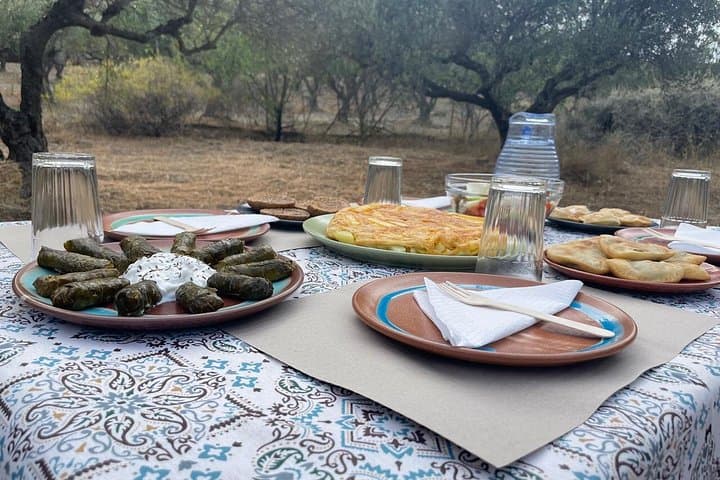
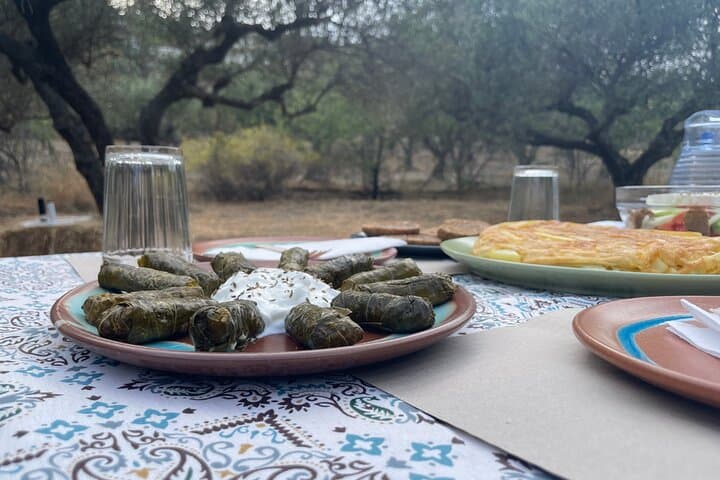
The tour combines a short walk through production zones with hands-on explanations of olive pressing and dragon fruit care, then a communal brunch of dakos, dolmadakia, local omelette and water. Expect frank, plainspoken farmers, concrete knowledge about yields and seasons, and sensory contrasts between dusty soil and bright fruit.
Practical guidance: plan for a two-hour visit in the morning or late afternoon to avoid midsummer heat; wear sturdy shoes for uneven farm paths; bring sun protection and a light layer for breezy coastal air. Dietary notes and infant policies are typically shared at booking; the experience is accessible to most fitness levels and suits travelers seeking a tangible connection to Cretan foodways.
easy.
2 hours.
Suitable for most fitness levels; involves brief walking on uneven farm terrain and standing during demonstrations
The full experience is approximately two hours, combining the farm tour and the Cretan farmers brunch.
The menu is traditional and includes vegetable pies and dakos; notify the operator when booking to confirm vegetarian options.
Yes — the activity is labeled physical_easy and infants are required to sit on a lap; paths are short but uneven.
The farm is about one kilometer from the bay of Heraklion, offering coastal breezes and views toward Dia island.
Olive cultivation around Heraklion dates back millennia and remains a core part of Crete’s rural economy; dragon fruit is a more recent experimental crop adopted for diversification.
Choose tours that emphasize local production and low-impact tasting practices; avoid single-use plastics and follow the farm’s guidance on where to walk.
Cretan Dragon Fruit Farm operates guided outdoor trips and adventures with an emphasis on safety, stewardship, and memorable experiences.
Olive branches shade a low stone table while the sea murmurs a kilometer away — that’s the opening scene at this working farm just outside Heraklion. Visitors move from gnarled olive trees to neat rows of dragon fruit, tasting the season as farmers do and finishing beneath the trees with a small, traditional Cretan brunch.
Olive branches shade a low stone table while the sea murmurs a kilometer away — that’s the opening scene at this working farm just outside Heraklion. Visitors move from gnarled olive trees to neat rows of dragon fruit, tasting the season as farmers do and finishing beneath the trees with a small, traditional Cretan brunch.
The landscape here is shaped by millennia of cultivation: terraces, limestone soils, and a Mediterranean climate that favors olive groves and newer, resilience-focused crops like pitaya. Heraklion’s agricultural history stretches back to Minoan times; olive oil has been a regional staple for thousands of years and remains central to local diets and identity. Nearby Dia island and the bay add a maritime layer — winds off the Aegean temper summer heat and bring salty air to the orchards.
The tour combines a short walk through production zones with hands-on explanations of olive pressing and dragon fruit care, then a communal brunch of dakos, dolmadakia, local omelette and water. Expect frank, plainspoken farmers, concrete knowledge about yields and seasons, and sensory contrasts between dusty soil and bright fruit.
Practical guidance: plan for a two-hour visit in the morning or late afternoon to avoid midsummer heat; wear sturdy shoes for uneven farm paths; bring sun protection and a light layer for breezy coastal air. Dietary notes and infant policies are typically shared at booking; the experience is accessible to most fitness levels and suits travelers seeking a tangible connection to Cretan foodways.