THE ADVENTURE COLLECTIVE® · Independent discovery and booking for outdoor travel

Explore Crete’s richest Minoan collections in Heraklion, then step into a hands-on ancient Greek music workshop led by a musicologist. This private four-hour tour blends artifact study with practical, playable history.
Explore Crete’s richest Minoan collections in Heraklion, then step into a hands-on ancient Greek music workshop led by a musicologist. This private four-hour tour blends artifact study with practical, playable history.
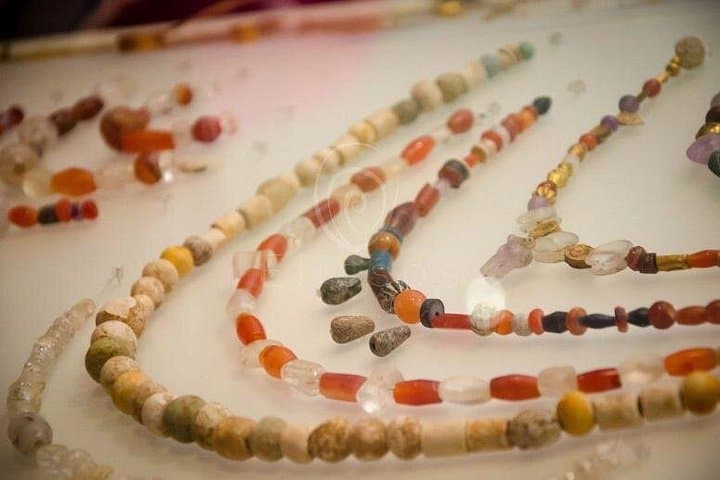
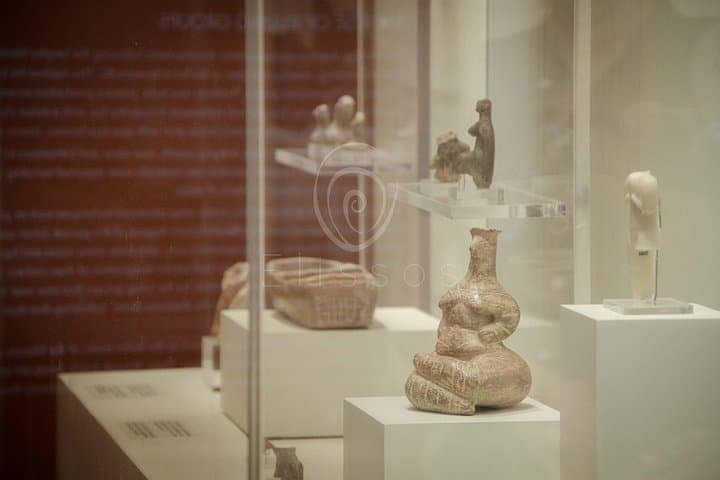
You arrive on a warm Heraklion morning with the sea wind pushing past Koules fortress and the city already humming. Inside the museum, light pools across vitrines of carved sealstones and gold diadems; clay figures seem to hold a private conversation with the room. Later, in a small studio, the pulse of ancient percussion takes shape under the guidance of a musicologist — your hands finding rhythms that echo 2,000 years of island life.
Verified experiences and guided adventures in the surrounding area.
Operated by Elissos Travelling Philosophy · Heraklion, Crete
You arrive on a warm Heraklion morning with the sea wind pushing past Koules fortress and the city already humming. Inside the museum, light pools across vitrines of carved sealstones and gold diadems; clay figures seem to hold a private conversation with the room. Later, in a small studio, the pulse of ancient percussion takes shape under the guidance of a musicologist — your hands finding rhythms that echo 2,000 years of island life.
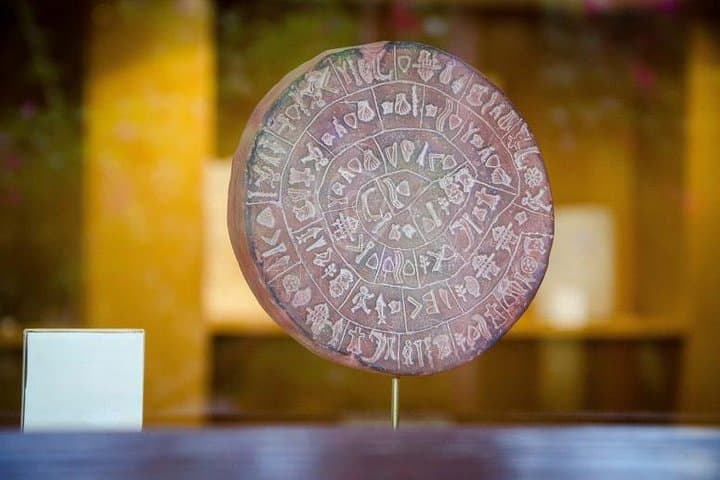
The Heraklion Archaeological Museum houses Crete’s richest Minoan collections, with finds from Knossos, Phaistos and other sites. Geologically, Crete sits where the African plate meets Eurasia, shaping a coast of volcanic cliffs, pebble beaches and fertile valleys that sustained Bronze Age palaces. Culturally, the island blends Venetian walls, Ottoman lanes and villages that still observe centuries-old crafts.
Practical guidance: the experience lasts about four hours and moves at an easy pace; expect museum walking and a seated, hands-on music workshop. Bring comfortable shoes for tile floors and a light layer against cool gallery air. Photography rules vary by case—ask the guide. Book early in high season to secure a private slot and confirm whether museum entry fees are included; many operators require advance tickets.
The tour suits travelers who want context as much as contact: artifacts to study, instruments to try. It’s part history lesson, part sensory lab — ideal for curious visitors who prefer learning by doing and leave with both new knowledge and a rhythm in their step.
easy.
4 hours.
Suitable for most fitness levels; requires moderate walking and short periods standing
Policies vary by operator—many private tours require separate museum tickets, so confirm at booking and bring valid ID for potential concessions.
Yes; the workshop is adaptable for older children and teens, but confirm age recommendations when booking and note that museum content may include small artifacts.
Yes; participants use carefully made replicas supervised by a musicologist meant for hands-on learning.
The meeting point is the Koules Fortress at Heraklion’s Venetian port (Rocca a Mare); the guide will carry a sign with the tour title.
The museum concentrates finds from the Bronze Age Minoan civilization — palaces, fresco fragments and sealstones that illuminate Crete’s Bronze Age trade and ritual life.
The museum follows strict conservation practices to protect fragile artifacts; visitors should avoid touching displays and minimize flash photography to help preserve pigments and materials.
Elissos Travelling Philosophy operates guided outdoor trips and adventures with an emphasis on safety, stewardship, and memorable experiences.
You arrive on a warm Heraklion morning with the sea wind pushing past Koules fortress and the city already humming. Inside the museum, light pools across vitrines of carved sealstones and gold diadems; clay figures seem to hold a private conversation with the room. Later, in a small studio, the pulse of ancient percussion takes shape under the guidance of a musicologist — your hands finding rhythms that echo 2,000 years of island life.
You arrive on a warm Heraklion morning with the sea wind pushing past Koules fortress and the city already humming. Inside the museum, light pools across vitrines of carved sealstones and gold diadems; clay figures seem to hold a private conversation with the room. Later, in a small studio, the pulse of ancient percussion takes shape under the guidance of a musicologist — your hands finding rhythms that echo 2,000 years of island life.
The Heraklion Archaeological Museum houses Crete’s richest Minoan collections, with finds from Knossos, Phaistos and other sites. Geologically, Crete sits where the African plate meets Eurasia, shaping a coast of volcanic cliffs, pebble beaches and fertile valleys that sustained Bronze Age palaces. Culturally, the island blends Venetian walls, Ottoman lanes and villages that still observe centuries-old crafts.
Practical guidance: the experience lasts about four hours and moves at an easy pace; expect museum walking and a seated, hands-on music workshop. Bring comfortable shoes for tile floors and a light layer against cool gallery air. Photography rules vary by case—ask the guide. Book early in high season to secure a private slot and confirm whether museum entry fees are included; many operators require advance tickets.
The tour suits travelers who want context as much as contact: artifacts to study, instruments to try. It’s part history lesson, part sensory lab — ideal for curious visitors who prefer learning by doing and leave with both new knowledge and a rhythm in their step.