THE ADVENTURE COLLECTIVE® · Independent discovery and booking for outdoor travel

A five‑hour private shore excursion that pairs central Helsinki’s signature sites — from the Rock Church and Sibelius Park to Esplanadi — with a guided visit to Seurasaari Open‑Air Museum. Ideal for cruisers who want a focused, on‑foot primer to the city’s culture and history.
A five‑hour private shore excursion that pairs central Helsinki’s signature sites — from the Rock Church and Sibelius Park to Esplanadi — with a guided visit to Seurasaari Open‑Air Museum. Ideal for cruisers who want a focused, on‑foot primer to the city’s culture and history.
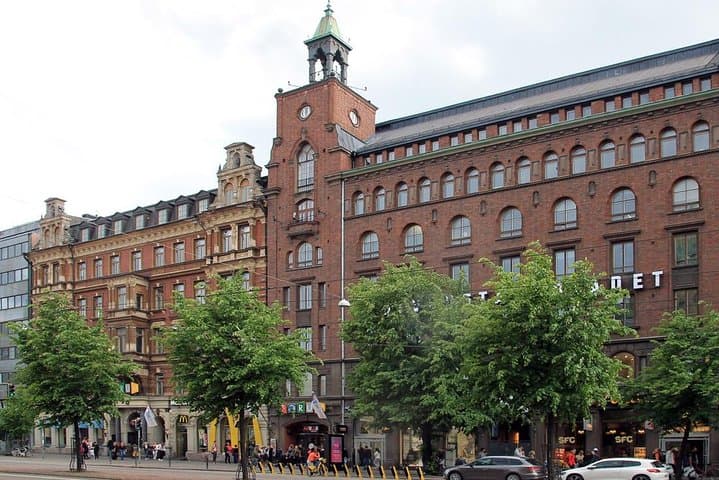
You step down from the gangway and the Baltic air presses cool and clean against your face — granite quay underfoot, the harbour’s ships bobbing like punctuation marks. A comfortable a/c bus eases away from the port and within minutes you’re threading Esplanadi, where locals stroll between cafés and fountains while the guide points out the Presidential Palace and the stone bulk of the Central Train Station.
Verified experiences and guided adventures in the surrounding area.
Operated by Uopera tours · Helsinki, Uusimaa
You step down from the gangway and the Baltic air presses cool and clean against your face — granite quay underfoot, the harbour’s ships bobbing like punctuation marks. A comfortable a/c bus eases away from the port and within minutes you’re threading Esplanadi, where locals stroll between cafés and fountains while the guide points out the Presidential Palace and the stone bulk of the Central Train Station.
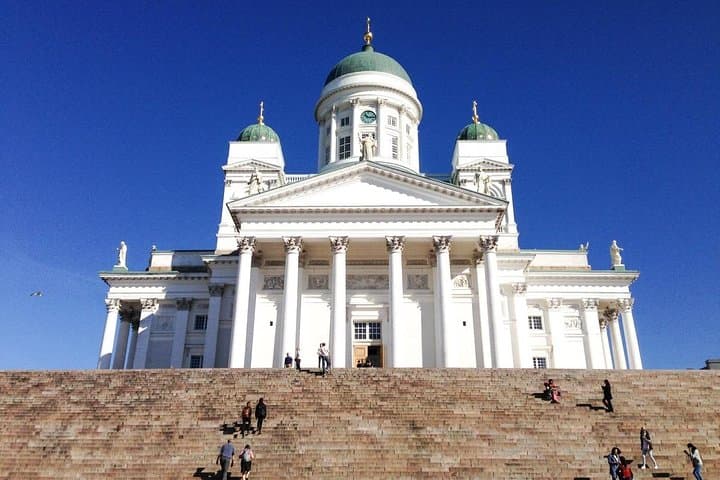
The route stitches modern Helsinki to its past: Temppeliaukio, the Rock Church, carved into bedrock and ringing with warm acoustics; Sibelius Park and the abstract pipe-like monument to Finland’s composer; Alvar Aalto’s Finlandia Hall by Töölönlahti. Geologically, the city sits on exposed Precambrian granite smoothed by ice-age scours, giving way to sheltered bays and tree-lined islands.
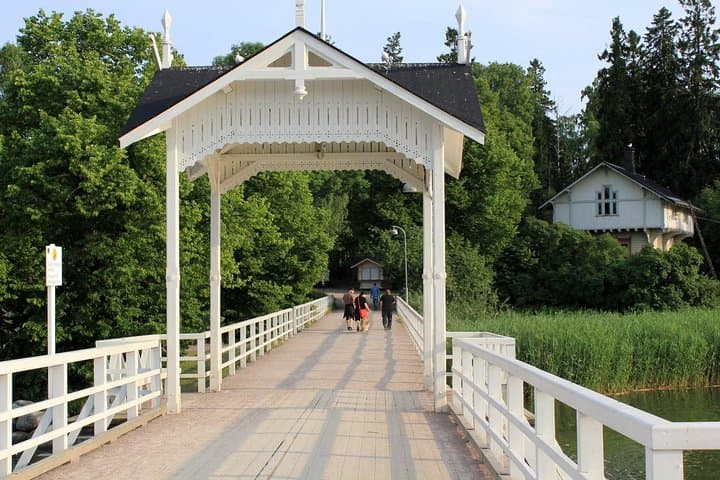
Seurasaari closes the loop — an open-air museum of relocated wooden houses and farmsteads that trace Finnish rural life from the 18th to early 20th centuries. Founded in the early 1900s, the island is half museum, half live landscape: red-painted farmhouses, island paths, and scattered summer cottages.
Practically: this private tour runs about five hours and includes port pickup and skip-the-line access where noted. Expect 2–3 miles of walking across cobbles, park trails, and museum lawns; wear sturdy shoes and layer for coastal wind. Photography is welcome, but interiors can be restricted and the Rock Church occasionally closes for services.
Time your visit for daylight and bring a small daypack with rain protection — Helsinki’s weather shifts fast. Stick to paths on Seurasaari, respect exhibits, and you’ll leave with a compact, textured view of Finland’s capital — its civic core, design legacy, and wooden‑house roots.
easy.
5 hours.
Suitable for travelers who can walk 2–3 miles over mixed surfaces and climb short flights of steps; moderate stamina for standing during visits.
Yes — the tour includes port pickup and drop‑off by comfortable a/c bus; confirm your ship and berth details when booking.
No — admission is included when available but the church can close for services; guides will show the exterior if interiors are not accessible.
Expect about 2–3 miles of mostly easy walking across varied surfaces including cobbles, park paths and wooden boards, with occasional short staircases.
Generally yes — it’s a relaxed, private tour, but travelers should be comfortable walking short distances and be able to board the tour bus; advise organizers of mobility needs in advance.
Seurasaari Open‑Air Museum preserves relocated wooden buildings that showcase Finnish rural architecture and lifestyles from the 18th–20th centuries; Temppeliaukio was completed in 1969 and is carved directly into bedrock.
Stay on marked paths in Seurasaari and don’t climb on or touch historic structures; follow local rules to minimize wear on wooden buildings and island vegetation.
Uopera tours operates guided outdoor trips and adventures with an emphasis on safety, stewardship, and memorable experiences.
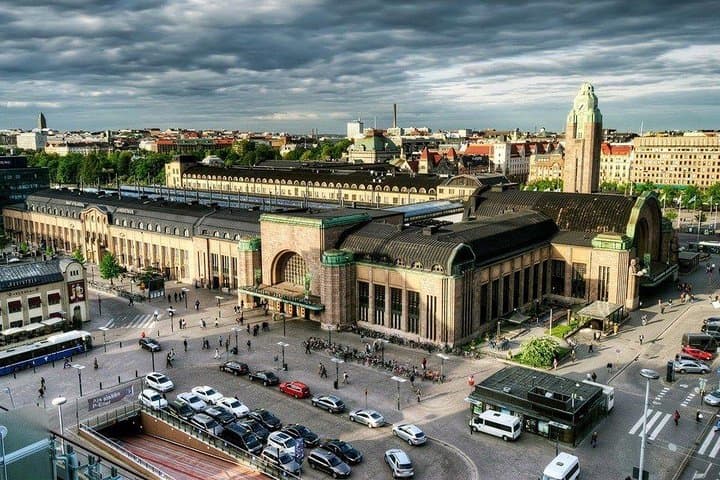
You step down from the gangway and the Baltic air presses cool and clean against your face — granite quay underfoot, the harbour’s ships bobbing like punctuation marks. A comfortable a/c bus eases away from the port and within minutes you’re threading Esplanadi, where locals stroll between cafés and fountains while the guide points out the Presidential Palace and the stone bulk of the Central Train Station.
You step down from the gangway and the Baltic air presses cool and clean against your face — granite quay underfoot, the harbour’s ships bobbing like punctuation marks. A comfortable a/c bus eases away from the port and within minutes you’re threading Esplanadi, where locals stroll between cafés and fountains while the guide points out the Presidential Palace and the stone bulk of the Central Train Station.
The route stitches modern Helsinki to its past: Temppeliaukio, the Rock Church, carved into bedrock and ringing with warm acoustics; Sibelius Park and the abstract pipe-like monument to Finland’s composer; Alvar Aalto’s Finlandia Hall by Töölönlahti. Geologically, the city sits on exposed Precambrian granite smoothed by ice-age scours, giving way to sheltered bays and tree-lined islands.
Seurasaari closes the loop — an open-air museum of relocated wooden houses and farmsteads that trace Finnish rural life from the 18th to early 20th centuries. Founded in the early 1900s, the island is half museum, half live landscape: red-painted farmhouses, island paths, and scattered summer cottages.
Practically: this private tour runs about five hours and includes port pickup and skip-the-line access where noted. Expect 2–3 miles of walking across cobbles, park trails, and museum lawns; wear sturdy shoes and layer for coastal wind. Photography is welcome, but interiors can be restricted and the Rock Church occasionally closes for services.
Time your visit for daylight and bring a small daypack with rain protection — Helsinki’s weather shifts fast. Stick to paths on Seurasaari, respect exhibits, and you’ll leave with a compact, textured view of Finland’s capital — its civic core, design legacy, and wooden‑house roots.