THE ADVENTURE COLLECTIVE® · Independent discovery and booking for outdoor travel

Walk Provincetown’s Commercial Street after dark — where gilded facades hide stories of pirates, wreckers, and pandemic-era morgues. This self-guided GPS tour maps the town’s eerie landmarks and explains the real history behind the hauntings.
Walk Provincetown’s Commercial Street after dark — where gilded facades hide stories of pirates, wreckers, and pandemic-era morgues. This self-guided GPS tour maps the town’s eerie landmarks and explains the real history behind the hauntings.
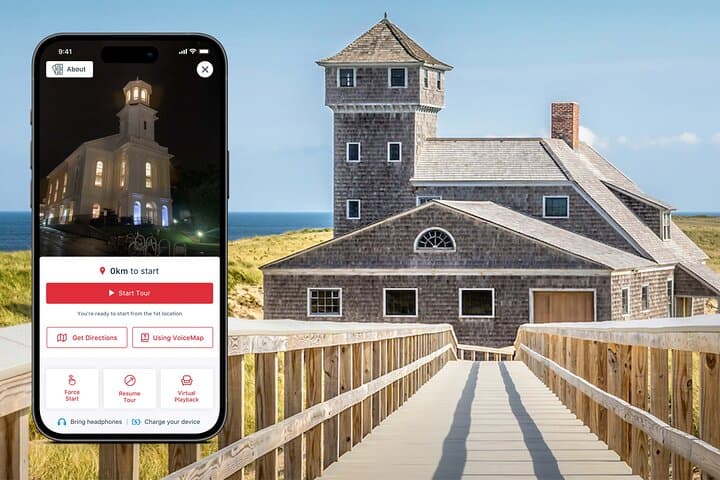
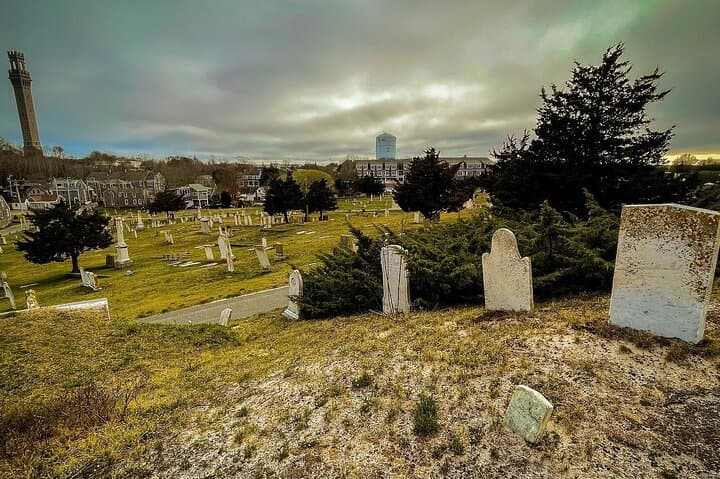
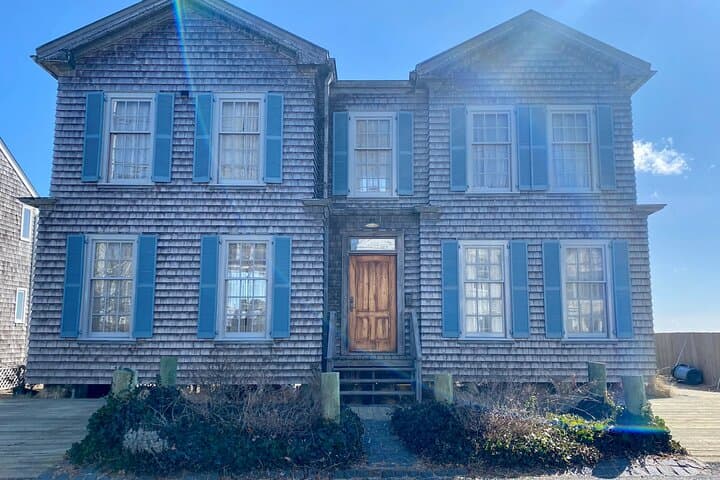
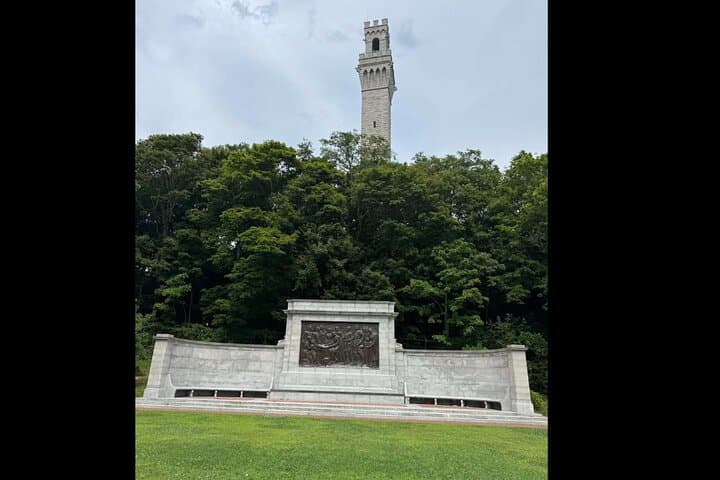
A salty wind pushes down Commercial Street as the afternoon light thins and the American Horror Story house looms ahead — its painted clapboard a quiet invitation to the uncanny. This self-guided walk threads through narrow streets, past weathered inns and graveyards where dates and names blur beneath moss. The town talks in creaks and gull calls; this tour listens for its darker stories.
Verified experiences and guided adventures in the surrounding area.
Operated by VoiceMap Audio Tours · Provincetown, Massachusetts
A salty wind pushes down Commercial Street as the afternoon light thins and the American Horror Story house looms ahead — its painted clapboard a quiet invitation to the uncanny. This self-guided walk threads through narrow streets, past weathered inns and graveyards where dates and names blur beneath moss. The town talks in creaks and gull calls; this tour listens for its darker stories.
Provincetown’s shoreline was carved by retreating glaciers and reshaped by tides; sand and cobble built the shallow harbor that attracted fishermen, whalers, and the occasional pirate. By the 18th and 19th centuries, mooncussers — wreckers who lured ships ashore — and maritime disasters gave the town the nickname “Helltown.” The 1918 influenza and earlier smallpox outbreaks left a physical and cultural imprint: cemeteries with unmarked graves and repurposed buildings that once stored the dead.
Culturally, Provincetown is both seafaring and artistic — a tight-knit community where LGBTQ+ history, gallery life, and late-night taverns like the Atlantic House sit beside former funeral homes and meeting houses.
Practical guidance: expect roughly 1.5–2 miles of mostly flat walking, 90–120 minutes at a relaxed pace. Wear sturdy shoes for cobbles and sidewalks, bring a fully charged phone for offline maps and audio, and allow extra time to read plaques or step inside public museums. Be respectful in cemeteries and on private property, keep noise low in residential areas, and plan visits in daylight if you prefer clearer navigation. The tour rewards close listening — Providence’s past has a habit of speaking right up to you.
easy.
1.5–2 hours.
Light walking fitness; suitable for most people who can walk unassisted for up to two hours
The self-guided route covers roughly 1.5–2 miles and takes about 90–120 minutes at a relaxed pace, depending on stops.
Yes — the route is stroller-accessible and physically easy, but some historical content is graphic; parental discretion is advised.
This is fully self-guided using the app’s audio, maps, and GPS; you can start and stop at your own pace.
Most locations are viewed from the street; interior access varies and some buildings are private — the tour indicates pass-by points rather than admissions.
Provincetown’s economy shifted from fishing and wrecking to art colonies and tourism; 19th-century wrecking and 1918 pandemic events left visible traces in buildings and burial sites.
Dune systems and nesting shorebirds are protected locally; stay on paved paths near the harbor and follow posted signs to avoid sensitive habitats.
VoiceMap Audio Tours operates guided outdoor trips and adventures with an emphasis on safety, stewardship, and memorable experiences.
A salty wind pushes down Commercial Street as the afternoon light thins and the American Horror Story house looms ahead — its painted clapboard a quiet invitation to the uncanny. This self-guided walk threads through narrow streets, past weathered inns and graveyards where dates and names blur beneath moss. The town talks in creaks and gull calls; this tour listens for its darker stories.
A salty wind pushes down Commercial Street as the afternoon light thins and the American Horror Story house looms ahead — its painted clapboard a quiet invitation to the uncanny. This self-guided walk threads through narrow streets, past weathered inns and graveyards where dates and names blur beneath moss. The town talks in creaks and gull calls; this tour listens for its darker stories.
Provincetown’s shoreline was carved by retreating glaciers and reshaped by tides; sand and cobble built the shallow harbor that attracted fishermen, whalers, and the occasional pirate. By the 18th and 19th centuries, mooncussers — wreckers who lured ships ashore — and maritime disasters gave the town the nickname “Helltown.” The 1918 influenza and earlier smallpox outbreaks left a physical and cultural imprint: cemeteries with unmarked graves and repurposed buildings that once stored the dead.
Culturally, Provincetown is both seafaring and artistic — a tight-knit community where LGBTQ+ history, gallery life, and late-night taverns like the Atlantic House sit beside former funeral homes and meeting houses.
Practical guidance: expect roughly 1.5–2 miles of mostly flat walking, 90–120 minutes at a relaxed pace. Wear sturdy shoes for cobbles and sidewalks, bring a fully charged phone for offline maps and audio, and allow extra time to read plaques or step inside public museums. Be respectful in cemeteries and on private property, keep noise low in residential areas, and plan visits in daylight if you prefer clearer navigation. The tour rewards close listening — Providence’s past has a habit of speaking right up to you.