THE ADVENTURE COLLECTIVE® · Independent discovery and booking for outdoor travel

Walk Hell's Kitchen by lantern and listen to 19 true-crime stories that trace the neighborhood's violent past. This 100–120 minute, all-outdoor tour pairs period photographs with deep research — not recommended for young children.
Walk Hell's Kitchen by lantern and listen to 19 true-crime stories that trace the neighborhood's violent past. This 100–120 minute, all-outdoor tour pairs period photographs with deep research — not recommended for young children.
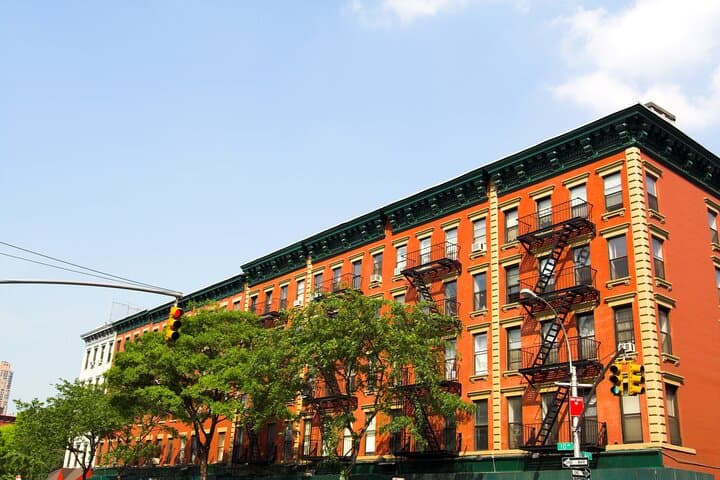
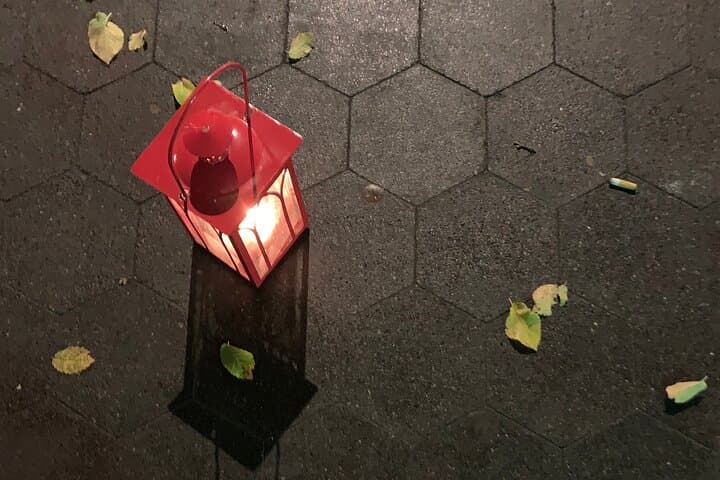
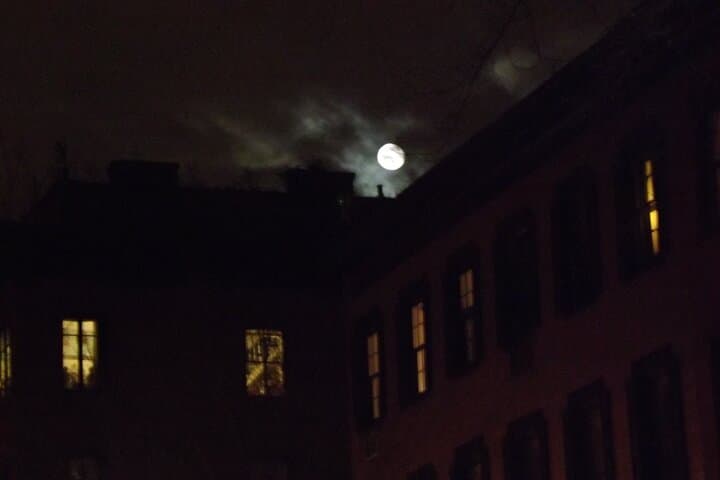
You meet at the northeast corner of 8th Avenue and 41st Street as evening tightens its grip on Midtown. A guide carries a candle-lit lantern; the city noise drops just enough that footsteps and a well-told sentence cut through. The walk threads westward across Hell's Kitchen, passing old tenement fronts, brick alleys, and side streets where the light thins and the past feels close enough to touch.
Verified experiences and guided adventures in the surrounding area.
Operated by Ghosts, Murders, and Mayhem Walking Tours · New York, New York
You meet at the northeast corner of 8th Avenue and 41st Street as evening tightens its grip on Midtown. A guide carries a candle-lit lantern; the city noise drops just enough that footsteps and a well-told sentence cut through. The walk threads westward across Hell's Kitchen, passing old tenement fronts, brick alleys, and side streets where the light thins and the past feels close enough to touch.
Hell's Kitchen grew from dockworkers, immigrants and small factories; the streets still carry the imprint of that gritty past. This tour stitches 19 true-crime narratives — from gangster-era violence and Westies-era turf fights to notorious murder cases — and uses period photographs to anchor the stories in real places. Geologically the neighborhood sits on Manhattan's flat bedrock, so expect an easy route on sidewalks rather than rugged terrain; culturally you'll pass theater-related sites and long-standing neighborhood bars that witnessed the shifts in the area's makeup.
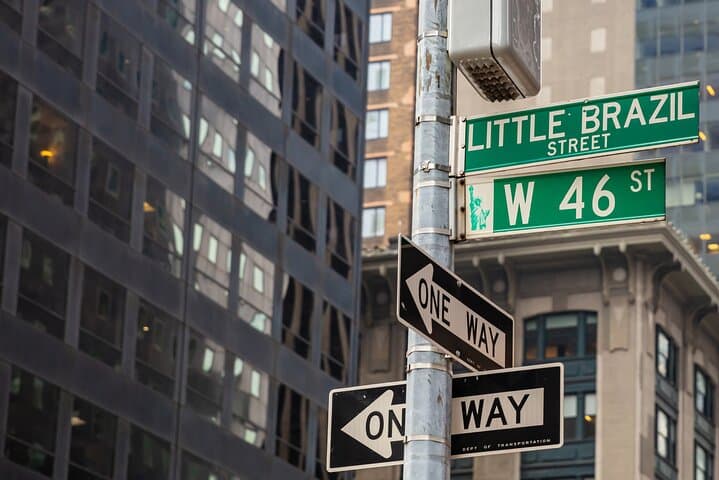
Practical guidance is straightforward: the walk lasts roughly 100–120 minutes and is all outdoors, so wear sturdy walking shoes and layers for changing temperatures. The route ends near West 46th Street between 8th and 9th Avenues. Content is graphic; organizers advise leaving young children at home. Public transit is close and the operator may cancel for bad weather or low bookings — check your confirmation. Bring a small flashlight or phone torch for dim stretches, a compact rain layer if showers are forecast, and a bottle of water for warm nights. Expect close-quarters storytelling, frequent stops for photographs, and a guide who cites sources for every claim — ideal for listeners who want history with its darker edges rather than theatrical gimmicks.
easy.
1 hr 40–2 hours.
Suitable for people who can walk 1.5–2 hours on flat city sidewalks with occasional standing; minimal exertion required.
Content covers real violent crimes and can be graphic; operators advise the tour is not recommended for children under 13 (and suggest children under 10 stay home).
The meeting point is the northeast corner of 8th Avenue and 41st Street; the tour ends between 8th and 9th Avenues on West 46th Street.
The operator may cancel for bad weather or insufficient travelers; check your booking confirmation for the cancellation policy and rescheduling options.
The route uses public sidewalks with curbs and occasional narrow sections; while some portions may be navigable, the tour is described as pram/stroller accessible but not recommended for travelers with spinal injuries — contact the operator to confirm accessibility details.
Hell's Kitchen evolved from 19th-century docks and tenements into a working-class neighborhood with a history of organized gangs and labor unrest; the tour highlights episodes and figures linked to that past.
Urban tours should limit noise, avoid trespassing, and discourage litter; travel sustainably by using public transit and supporting local businesses rather than leaving trash in the streets.
Ghosts, Murders, and Mayhem Walking Tours operates guided outdoor trips and adventures with an emphasis on safety, stewardship, and memorable experiences.
You meet at the northeast corner of 8th Avenue and 41st Street as evening tightens its grip on Midtown. A guide carries a candle-lit lantern; the city noise drops just enough that footsteps and a well-told sentence cut through. The walk threads westward across Hell's Kitchen, passing old tenement fronts, brick alleys, and side streets where the light thins and the past feels close enough to touch.
You meet at the northeast corner of 8th Avenue and 41st Street as evening tightens its grip on Midtown. A guide carries a candle-lit lantern; the city noise drops just enough that footsteps and a well-told sentence cut through. The walk threads westward across Hell's Kitchen, passing old tenement fronts, brick alleys, and side streets where the light thins and the past feels close enough to touch.
Hell's Kitchen grew from dockworkers, immigrants and small factories; the streets still carry the imprint of that gritty past. This tour stitches 19 true-crime narratives — from gangster-era violence and Westies-era turf fights to notorious murder cases — and uses period photographs to anchor the stories in real places. Geologically the neighborhood sits on Manhattan's flat bedrock, so expect an easy route on sidewalks rather than rugged terrain; culturally you'll pass theater-related sites and long-standing neighborhood bars that witnessed the shifts in the area's makeup.
Practical guidance is straightforward: the walk lasts roughly 100–120 minutes and is all outdoors, so wear sturdy walking shoes and layers for changing temperatures. The route ends near West 46th Street between 8th and 9th Avenues. Content is graphic; organizers advise leaving young children at home. Public transit is close and the operator may cancel for bad weather or low bookings — check your confirmation. Bring a small flashlight or phone torch for dim stretches, a compact rain layer if showers are forecast, and a bottle of water for warm nights. Expect close-quarters storytelling, frequent stops for photographs, and a guide who cites sources for every claim — ideal for listeners who want history with its darker edges rather than theatrical gimmicks.