THE ADVENTURE COLLECTIVE® · Independent discovery and booking for outdoor travel

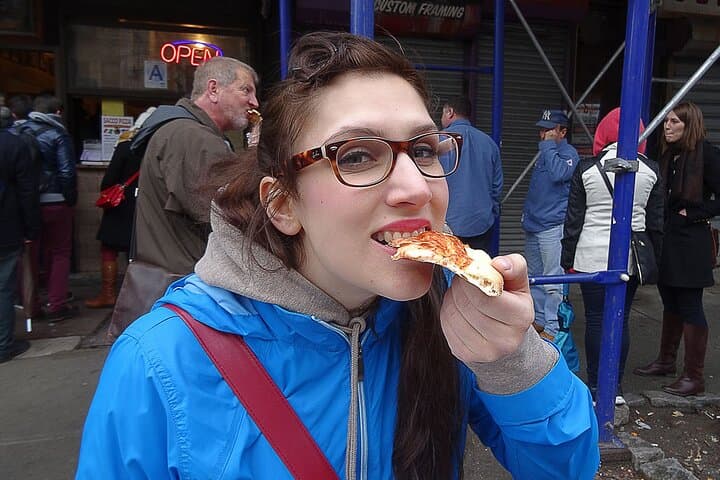
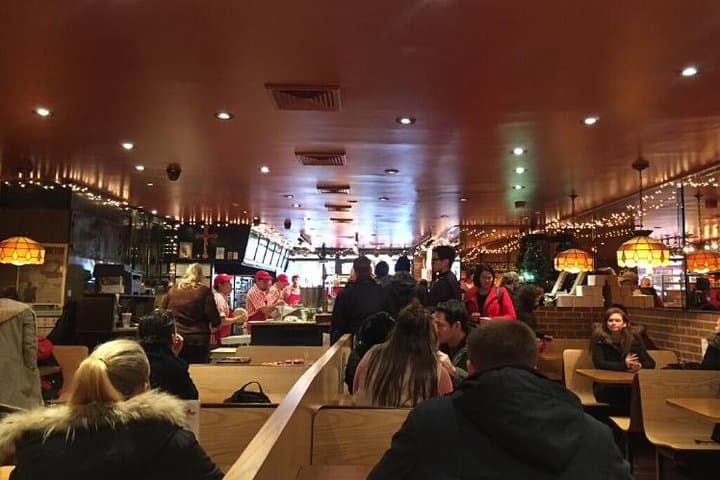
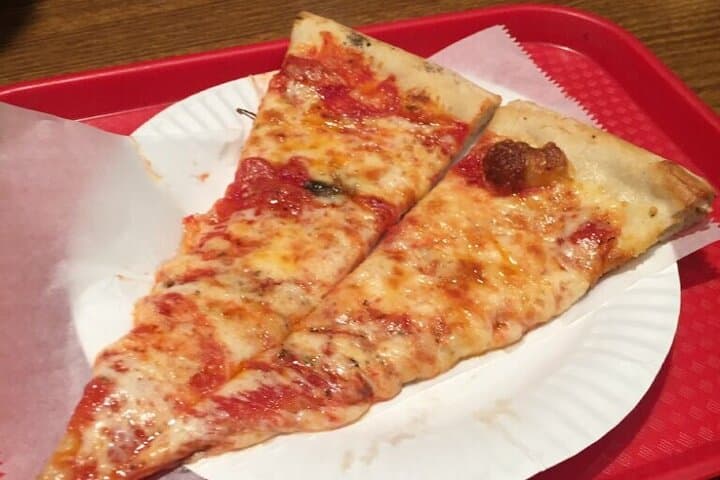
Walk Hell’s Kitchen with a local guide and replace a meal with 4–5 real dishes from neighborhood institutions. This three‑ to four‑hour tour blends food, history and subway-savvy tips to help you eat like a New Yorker.
Walk Hell’s Kitchen with a local guide and replace a meal with 4–5 real dishes from neighborhood institutions. This three‑ to four‑hour tour blends food, history and subway-savvy tips to help you eat like a New Yorker.
You step off the subway and the city opens like a map of smells — charred street-meat, warm bakery sugar, and the faint salt of the nearby Hudson daring you westward.
Verified experiences and guided adventures in the surrounding area.
Operated by Food On Foot Tours · New York, New York
You step off the subway and the city opens like a map of smells — charred street-meat, warm bakery sugar, and the faint salt of the nearby Hudson daring you westward.
The Go West food tour threads through Hell’s Kitchen, a working-class Manhattan neighborhood that traded docks and factories for diners and diners’ lore. Once home to waves of Irish and later Puerto Rican and Eastern European immigrants, the streets still bear the imprint of long shifts, neighborhood theaters and community kitchens that fed shift workers and performers.
Geologically the walk sits on Manhattan’s compacted glacial deposits and Manhattan schist just beneath the pavement; culturally, the area is defined by grit and reinvention. You’ll move between bodegas, counter-service institutions and small restaurants where chefs refine immigrant recipes into current favorites. Local guides illuminate who opened a spot 50 years ago, which block revived after a cheap rent era, and where to find the best late-night taco.
Practical notes: the tour replaces a meal — expect 4–5 stops and a $22 food credit to choose full dishes rather than samplers. Moderate walking on flat, paved city sidewalks and one short subway hop are part of the plan; pack a weather layer and comfortable shoes. Go early in your trip to get insider restaurant recs that can save you money across your stay. Bring a refillable water bottle and a phone charger; tipping and paying for extra items is done individually. Rain or shine, the guide adapts, and the real reward is less a checklist of dishes than a sense of where New Yorkers actually eat.
easy.
3–4 hours.
Suitable for most fitness levels; expects moderate walking on flat city streets and short stair use in some subway stations.
Expect moderate walking on flat city sidewalks for about 3–4 hours with one short subway segment; pace is steady but manageable.
Yes — the tour offers vegetarian options at most stops and lets you choose dishes within your food credit; inform the operator of serious allergies before booking.
Meeting location is in Hell’s Kitchen near Times Square; precise meeting instructions are provided on booking and may include a specific corner or landmark.
No — tipping for the guide and any additional purchases is customary and handled individually by guests.
Hell’s Kitchen evolved from 19th‑century docks and working‑class housing into a dense neighborhood of immigrant restaurants and off‑Broadway theaters.
Support local sustainability by using reusable bottles and minimizing single‑use containers; choosing independent eateries helps sustain small business in the neighborhood.
Food On Foot Tours operates guided outdoor trips and adventures with an emphasis on safety, stewardship, and memorable experiences.

You step off the subway and the city opens like a map of smells — charred street-meat, warm bakery sugar, and the faint salt of the nearby Hudson daring you westward.
You step off the subway and the city opens like a map of smells — charred street-meat, warm bakery sugar, and the faint salt of the nearby Hudson daring you westward.
The Go West food tour threads through Hell’s Kitchen, a working-class Manhattan neighborhood that traded docks and factories for diners and diners’ lore. Once home to waves of Irish and later Puerto Rican and Eastern European immigrants, the streets still bear the imprint of long shifts, neighborhood theaters and community kitchens that fed shift workers and performers.
Geologically the walk sits on Manhattan’s compacted glacial deposits and Manhattan schist just beneath the pavement; culturally, the area is defined by grit and reinvention. You’ll move between bodegas, counter-service institutions and small restaurants where chefs refine immigrant recipes into current favorites. Local guides illuminate who opened a spot 50 years ago, which block revived after a cheap rent era, and where to find the best late-night taco.
Practical notes: the tour replaces a meal — expect 4–5 stops and a $22 food credit to choose full dishes rather than samplers. Moderate walking on flat, paved city sidewalks and one short subway hop are part of the plan; pack a weather layer and comfortable shoes. Go early in your trip to get insider restaurant recs that can save you money across your stay. Bring a refillable water bottle and a phone charger; tipping and paying for extra items is done individually. Rain or shine, the guide adapts, and the real reward is less a checklist of dishes than a sense of where New Yorkers actually eat.