THE ADVENTURE COLLECTIVE® · Independent discovery and booking for outdoor travel

Experience Rotorua’s most dramatic geothermal reserve: a guided or self-guided walk past steaming fumaroles and silica terraces, hands-on Māori carving, then a soak in a mud bath and sulphur spa. Practical, short and culturally rich, it’s a concentrated taste of New Zealand’s geothermal heart.
Experience Rotorua’s most dramatic geothermal reserve: a guided or self-guided walk past steaming fumaroles and silica terraces, hands-on Māori carving, then a soak in a mud bath and sulphur spa. Practical, short and culturally rich, it’s a concentrated taste of New Zealand’s geothermal heart.
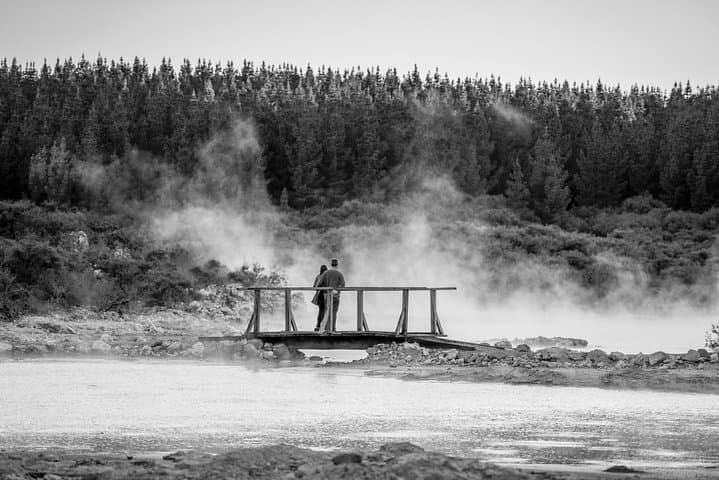
You step onto a boardwalk and the air changes—warm steam threads between tufts of pitted earth, and a sulphur tang tugs at your senses as the ground hisses beneath your feet.
Verified experiences and guided adventures in the surrounding area.
Operated by Hells Gate Geothermal Reserve and Mud Spa · Rotorua, Bay of Plenty
You step onto a boardwalk and the air changes—warm steam threads between tufts of pitted earth, and a sulphur tang tugs at your senses as the ground hisses beneath your feet.
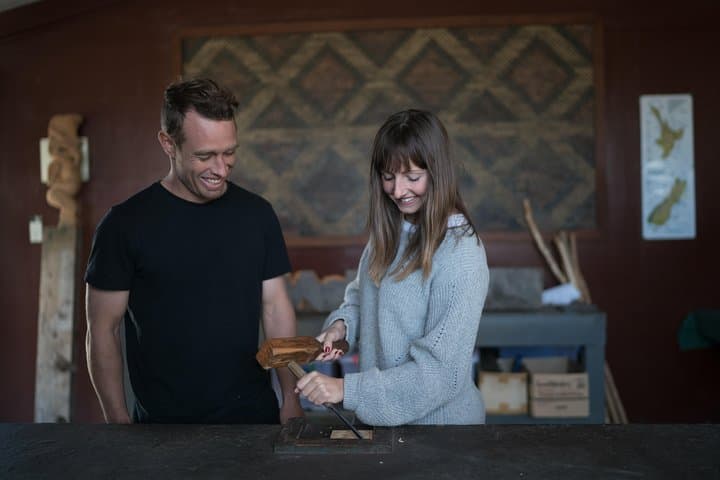
At Hell's Gate, just southeast of Rotorua, the landscape is active and loud: bubbling mud pools dare you to draw closer and fumaroles push plumes into a sky that shifts from cobalt to silver. The guided or self-guided geothermal walk threads through sculpted terraces, mineral-streaked cliffs and steaming fumaroles, while the carving house connects visitors to Māori practice and craftsmanship.
Geology here is recent and raw—volcanic heat close to the surface oxidizes minerals and scours the landscape, producing the iconic rust-red and white silica formations. Māori have used these geothermal waters for healing and cooking for centuries; Hell’s Gate is both a cultural site and a working thermal field curated for visitors.
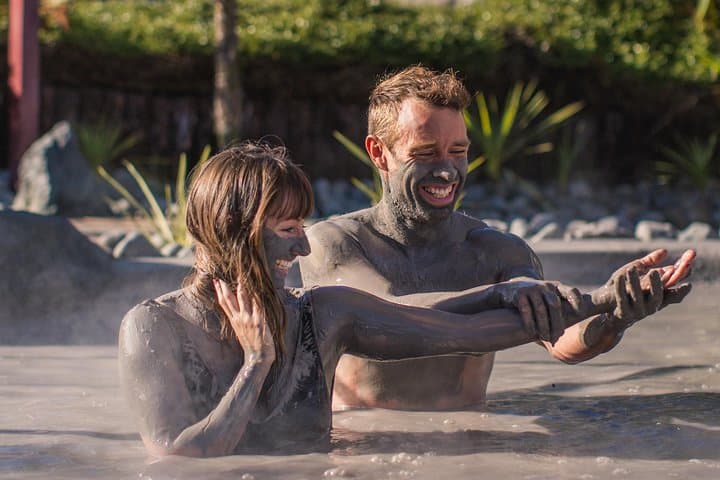
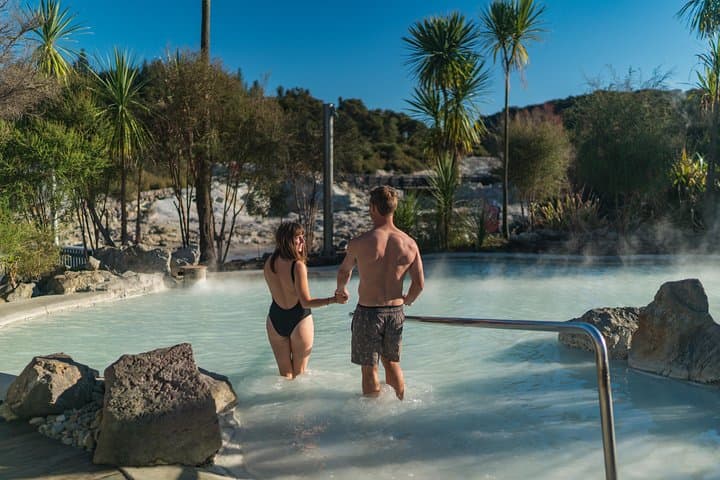
Practically: allow 2–3 hours to complete a guided tour, try a short Māori carving session, then bathe in the geothermal mud and sulphur spa to experience the reputed therapeutic effects. Boardwalks are well maintained but can be slippery; follow signage and stay on designated paths to protect fragile features.
Timing matters—mornings and late afternoons have softer light and fewer crowds; winter brings dramatic steam clouds while summer is busiest. Bring swimwear, a towel and shoes with good grip; expect a strong sulphur smell and warm to hot water temperatures in bathing areas. Respect cultural instruction in the carving house and leave fragile ground undisturbed—these features are dynamic and deserve care.
easy.
2–3 hours.
Light walking on boardwalks; suitable for most fitness levels but some standing and short slopes required
Yes—many boardwalks and facilities are wheelchair accessible; check with the venue for specifics about accessible bathing facilities.
Children are allowed with age limits per facility: the mud bath minimum is typically 2.5 years and the sulphur spa minimum is 6 months—supervise young children closely.
The odour is noticeable and varies with wind; most visitors tolerate it, but bring a mask or step upwind if you are sensitive.
Bookings are recommended during peak season; guided tour times are scheduled—check the Hell's Gate website for current departure times and cancellation policy.
Hell’s Gate occupies geothermal land long used by local Māori for bathing and healing; the site was developed for visitors in the 20th century with cultural demonstrations integrated into the experience.
Stick to paths and use designated bathing facilities to prevent damage; the reserve is managed to balance visitor access with protection of fragile geothermal features.
Hells Gate Geothermal Reserve and Mud Spa operates guided outdoor trips and adventures with an emphasis on safety, stewardship, and memorable experiences.
You step onto a boardwalk and the air changes—warm steam threads between tufts of pitted earth, and a sulphur tang tugs at your senses as the ground hisses beneath your feet.
You step onto a boardwalk and the air changes—warm steam threads between tufts of pitted earth, and a sulphur tang tugs at your senses as the ground hisses beneath your feet.
At Hell's Gate, just southeast of Rotorua, the landscape is active and loud: bubbling mud pools dare you to draw closer and fumaroles push plumes into a sky that shifts from cobalt to silver. The guided or self-guided geothermal walk threads through sculpted terraces, mineral-streaked cliffs and steaming fumaroles, while the carving house connects visitors to Māori practice and craftsmanship.
Geology here is recent and raw—volcanic heat close to the surface oxidizes minerals and scours the landscape, producing the iconic rust-red and white silica formations. Māori have used these geothermal waters for healing and cooking for centuries; Hell’s Gate is both a cultural site and a working thermal field curated for visitors.
Practically: allow 2–3 hours to complete a guided tour, try a short Māori carving session, then bathe in the geothermal mud and sulphur spa to experience the reputed therapeutic effects. Boardwalks are well maintained but can be slippery; follow signage and stay on designated paths to protect fragile features.
Timing matters—mornings and late afternoons have softer light and fewer crowds; winter brings dramatic steam clouds while summer is busiest. Bring swimwear, a towel and shoes with good grip; expect a strong sulphur smell and warm to hot water temperatures in bathing areas. Respect cultural instruction in the carving house and leave fragile ground undisturbed—these features are dynamic and deserve care.