THE ADVENTURE COLLECTIVE® · Independent discovery and booking for outdoor travel

Cycle through Hells Gate’s dramatic rift walls, then cool off with a boat ride on Lake Naivasha. This full-day bike-and-boat loop pairs geology and wildlife with practical pacing for an accessible Rift Valley experience.
Cycle through Hells Gate’s dramatic rift walls, then cool off with a boat ride on Lake Naivasha. This full-day bike-and-boat loop pairs geology and wildlife with practical pacing for an accessible Rift Valley experience.
You leave Nairobi before dawn, the van carving a path down the rim of the Great Rift Valley as the morning light slips across lava-scarred plains. Wind in your face, the valley opens like a page of exposed earth—red cliffs, steam vents and the ragged teeth of a gorge. By the time you arrive at Hells Gate, the air smells faintly of sulphur and wet grass; guides hand you a helmet and a bike and point to the trail: 16 kilometers through savanna, between towering cliffs and out across plains where giraffes and zebras graze without alarm.
Verified experiences and guided adventures in the surrounding area.
Operated by Wasili Kenya Safaris · Naivasha, Nakuru County
You leave Nairobi before dawn, the van carving a path down the rim of the Great Rift Valley as the morning light slips across lava-scarred plains. Wind in your face, the valley opens like a page of exposed earth—red cliffs, steam vents and the ragged teeth of a gorge. By the time you arrive at Hells Gate, the air smells faintly of sulphur and wet grass; guides hand you a helmet and a bike and point to the trail: 16 kilometers through savanna, between towering cliffs and out across plains where giraffes and zebras graze without alarm.
Hells Gate is geological theatre. This slice of the Rift was shaped by volcanic fissures and ongoing geothermal forces; the gorge itself is a conveyor belt of basalt walls, columns and fault lines carved by erosion and, in places, hot springs. Maasai and Kikuyu communities have long used the valley for grazing and seasonal movement, and colonial-era ranches and flower farms later reshaped the lakeshore economy at Naivasha.
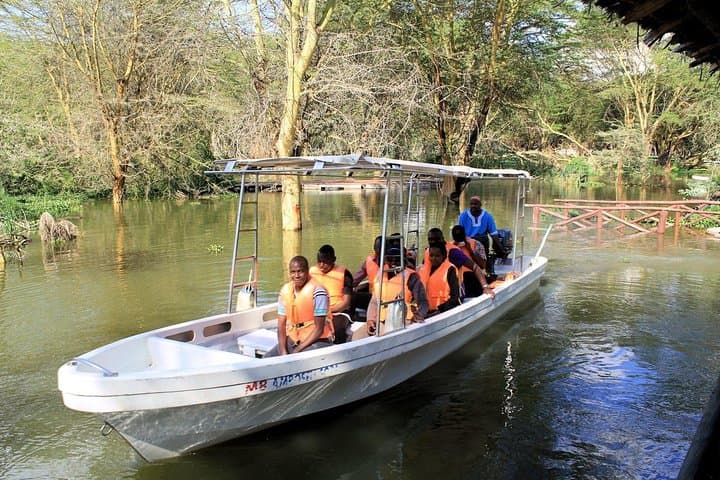
The day unfolds in distinct acts: a morning cycle that alternates wide dirt tracks with tighter single-track through juniper and acacia; an optional walk down into a narrow gorge where wind and water have sculpted sandstone ramps; then a lakeside lull—lunch, a short drive to Lake Naivasha and a one-hour boat ride that often reveals hippos brooding in the shallows and African fish eagles hovering overhead.
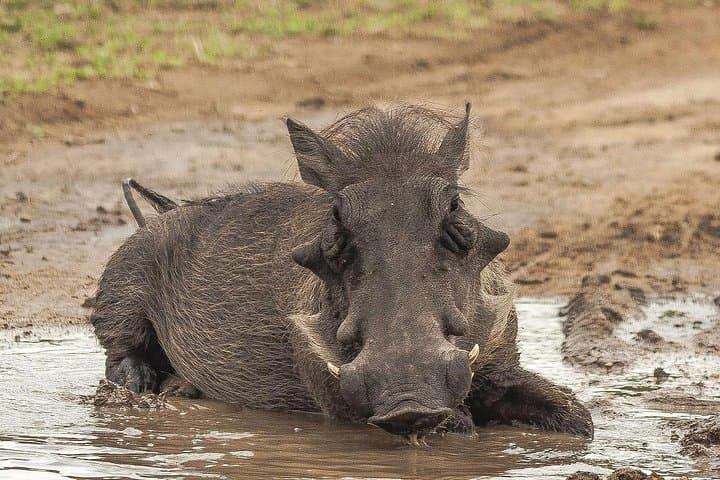
Culturally, Naivasha is a working landscape. Flower farms and smallholder plots surround the lake; Crescent Island—an easy walk from the boat dock—offers a chance to stroll among warthog and impala on foot, a rare close encounter without a vehicle between you and the wildlife.
Practical planning is straightforward but matters. Bring a durable bike helmet, closed shoes and a light layer for early morning cool at roughly 1,884 meters elevation. Expect a full day—departures start around 6:00 a.m., with an 11–12 hour window before return to Nairobi. The terrain is mostly flat to rolling; the 16 km ride is suitable for riders with basic cycling skills and normal fitness, but surfaces can be dusty or muddy depending on recent rains.
Watch for weather: the Rift’s microclimate can turn quickly; a short rain can make gorge paths slippery. Respect wildlife—keep distance from grazing animals and hippos, and follow your guide’s directions during the boat leg. For photographers, afternoon light along the lake is forgiving; mornings inside the gorge reward high-contrast, textured compositions.
This combination of two complementary landscapes—volcanic rift and freshwater lake—makes for a single, memorable day: active, varied and rooted in the geology and livelihoods of Kenya’s Rift Valley.
moderate.
11–12 hours.
Suitable for travelers with regular cardiovascular fitness; basic cycling ability advised for a comfortable 16 km ride.
The advertised cycling section covers about 16 kilometres on a mix of dirt tracks and park paths.
Yes—boat rides are generally safe; infants must sit on laps and guides advise staying seated and following instructions near hippo areas.
Basic cycling ability is recommended; the route is not technical but requires balance and comfort on uneven surfaces.
Yes—the one-hour boat ride often includes an optional walk to Crescent Island when weather and timing permit.
Common sightings include zebras, giraffes, gazelles, impala and hartebeest in Hells Gate; hippos and various waterbirds are typical on Lake Naivasha.
Yes—pick-up and drop-off in Nairobi are included, with hotel pickup typically around 6:00 a.m.
The Rift Valley’s landscape has been shaped by volcanic activity for millions of years; local Maasai and Kikuyu communities have managed grazing and settlement patterns around Naivasha for generations.
Boat operators and park guides commonly follow guidelines to limit disturbance—avoid feeding animals, stay on designated trails, and dispose of waste through provided channels to protect sensitive lake and rift ecosystems.
Wasili Kenya Safaris operates guided outdoor trips and adventures with an emphasis on safety, stewardship, and memorable experiences.
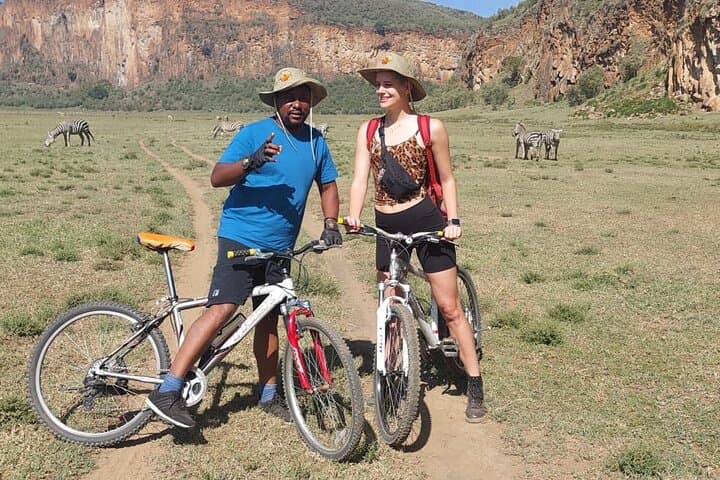
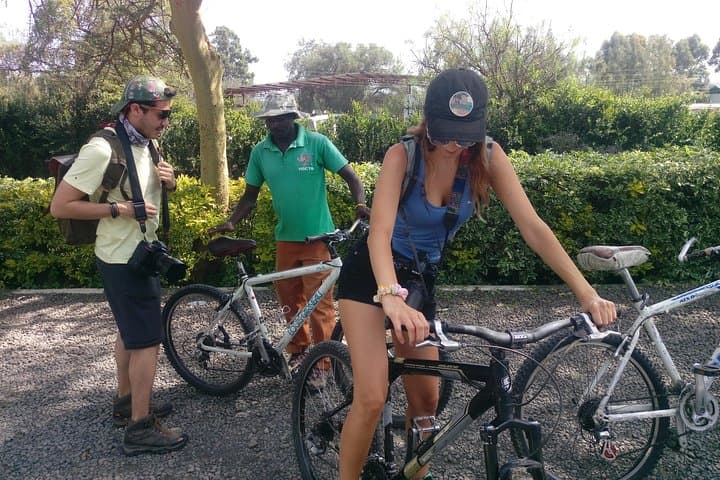
You leave Nairobi before dawn, the van carving a path down the rim of the Great Rift Valley as the morning light slips across lava-scarred plains. Wind in your face, the valley opens like a page of exposed earth—red cliffs, steam vents and the ragged teeth of a gorge. By the time you arrive at Hells Gate, the air smells faintly of sulphur and wet grass; guides hand you a helmet and a bike and point to the trail: 16 kilometers through savanna, between towering cliffs and out across plains where giraffes and zebras graze without alarm.
You leave Nairobi before dawn, the van carving a path down the rim of the Great Rift Valley as the morning light slips across lava-scarred plains. Wind in your face, the valley opens like a page of exposed earth—red cliffs, steam vents and the ragged teeth of a gorge. By the time you arrive at Hells Gate, the air smells faintly of sulphur and wet grass; guides hand you a helmet and a bike and point to the trail: 16 kilometers through savanna, between towering cliffs and out across plains where giraffes and zebras graze without alarm.
Hells Gate is geological theatre. This slice of the Rift was shaped by volcanic fissures and ongoing geothermal forces; the gorge itself is a conveyor belt of basalt walls, columns and fault lines carved by erosion and, in places, hot springs. Maasai and Kikuyu communities have long used the valley for grazing and seasonal movement, and colonial-era ranches and flower farms later reshaped the lakeshore economy at Naivasha.
The day unfolds in distinct acts: a morning cycle that alternates wide dirt tracks with tighter single-track through juniper and acacia; an optional walk down into a narrow gorge where wind and water have sculpted sandstone ramps; then a lakeside lull—lunch, a short drive to Lake Naivasha and a one-hour boat ride that often reveals hippos brooding in the shallows and African fish eagles hovering overhead.
Culturally, Naivasha is a working landscape. Flower farms and smallholder plots surround the lake; Crescent Island—an easy walk from the boat dock—offers a chance to stroll among warthog and impala on foot, a rare close encounter without a vehicle between you and the wildlife.
Practical planning is straightforward but matters. Bring a durable bike helmet, closed shoes and a light layer for early morning cool at roughly 1,884 meters elevation. Expect a full day—departures start around 6:00 a.m., with an 11–12 hour window before return to Nairobi. The terrain is mostly flat to rolling; the 16 km ride is suitable for riders with basic cycling skills and normal fitness, but surfaces can be dusty or muddy depending on recent rains.
Watch for weather: the Rift’s microclimate can turn quickly; a short rain can make gorge paths slippery. Respect wildlife—keep distance from grazing animals and hippos, and follow your guide’s directions during the boat leg. For photographers, afternoon light along the lake is forgiving; mornings inside the gorge reward high-contrast, textured compositions.
This combination of two complementary landscapes—volcanic rift and freshwater lake—makes for a single, memorable day: active, varied and rooted in the geology and livelihoods of Kenya’s Rift Valley.