THE ADVENTURE COLLECTIVE® · Independent discovery and booking for outdoor travel

Walk among boiling pools, mud volcanoes and mineral “land coral” at Hell’s Gate, Rotorua’s most active geothermal reserve. Your visit mixes visible geology with Māori stories and hands-on experiences like mud foot pools and carving.
Walk among boiling pools, mud volcanoes and mineral “land coral” at Hell’s Gate, Rotorua’s most active geothermal reserve. Your visit mixes visible geology with Māori stories and hands-on experiences like mud foot pools and carving.
Steam threads through the morning air like a living map, and the ground underfoot hums with deep, geological energy. At Hell’s Gate Geothermal Reserve near Rotorua you walk where water boils, mud belches, and mineral-encrusted “land coral” builds new shapes hour by hour. The path guides you past steaming fumaroles and an active mud volcano; the sulfur-scented wind dares you to look closer while the wooden boardwalk keeps you safe from fragile ground.
Verified experiences and guided adventures in the surrounding area.
Operated by Hells Gate Geothermal Reserve and Mud Spa · Rotorua, Bay of Plenty
Steam threads through the morning air like a living map, and the ground underfoot hums with deep, geological energy. At Hell’s Gate Geothermal Reserve near Rotorua you walk where water boils, mud belches, and mineral-encrusted “land coral” builds new shapes hour by hour. The path guides you past steaming fumaroles and an active mud volcano; the sulfur-scented wind dares you to look closer while the wooden boardwalk keeps you safe from fragile ground.
This place sits on the Taupō Volcanic Zone, shaped by recent volcanism and continuous hydrothermal circulation. Māori history here is layered with stories of taniwha (guardian beings) and uses of geothermal resources for healing and carving, and Hell’s Gate’s cultural programs include hands-on Māori carving and explanations of local legends.
Geology is obvious: boiling pools, silica terraces, and viscous mud formed by mineral-rich fluids cooling at the surface. The park’s mud foot pool is both an experience and a reminder of long-term human use of geothermal healing. Interpretive signage and local guides illuminate the science and stories without overselling the spectacle.
Practical guidance: allow 1–2 hours for a self-guided visit (guided departures available), wear closed-toe shoes for uneven, unpaved sections, and expect strong sulfur smells and steam—keep cameras dry and respect fenced areas. Morning visits are cooler and less crowded; bring water, sun protection, and a light layer. Follow park rules to protect delicate thermal features and local cultural sites.
easy.
1–2 hours.
Suitable for most fitness levels; requires steady walking on uneven boardwalks and short slopes.
Plan for about 60–120 minutes depending on whether you join a guided tour or explore self-guided, including time at interpretation points and the mud foot pool.
Yes—children are welcome but must be supervised; boardwalks keep visitors away from unstable thermal ground and signage indicates areas to avoid.
There are specific shallow mud and foot-pool experiences approved for visitors; swimming in boiling pools or open thermal features is prohibited for safety and conservation.
Hell’s Gate occupies geothermal territory long used by local Māori for healing and cooking; the modern reserve combines cultural education with conservation of thermal features.
Thermal features are fragile—stay on paths, avoid taking mineral samples, and follow ranger guidelines to minimize impact on ongoing geothermal processes.
Hells Gate Geothermal Reserve and Mud Spa operates guided outdoor trips and adventures with an emphasis on safety, stewardship, and memorable experiences.
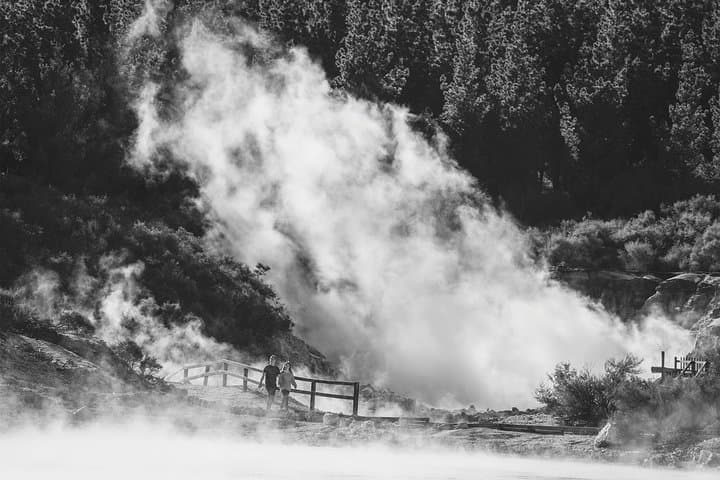
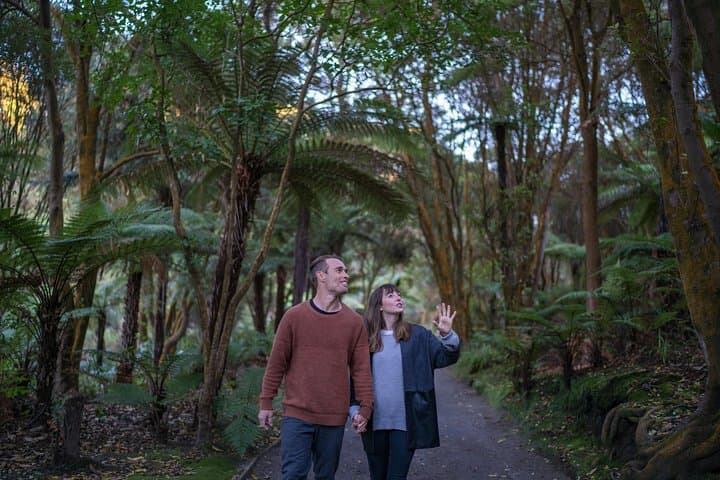
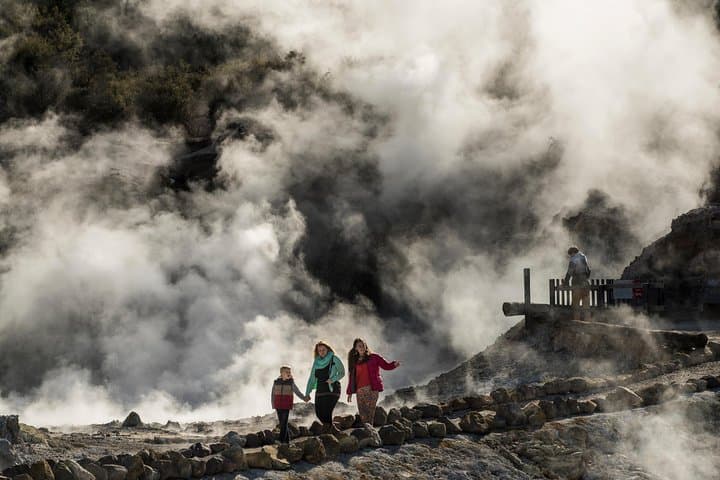
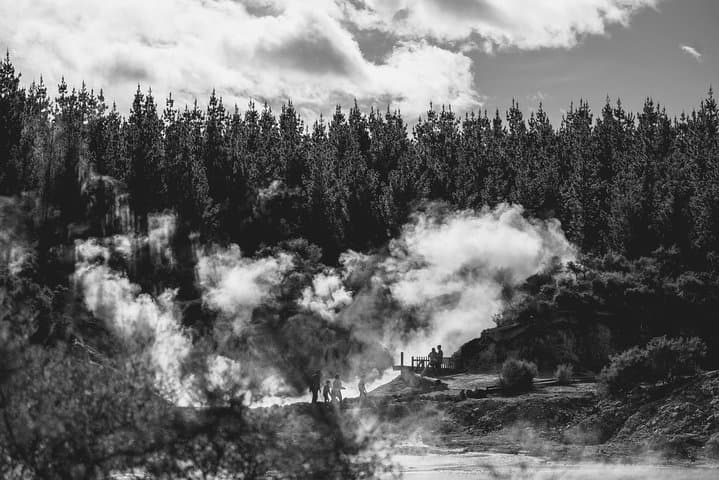
Steam threads through the morning air like a living map, and the ground underfoot hums with deep, geological energy. At Hell’s Gate Geothermal Reserve near Rotorua you walk where water boils, mud belches, and mineral-encrusted “land coral” builds new shapes hour by hour. The path guides you past steaming fumaroles and an active mud volcano; the sulfur-scented wind dares you to look closer while the wooden boardwalk keeps you safe from fragile ground.
Steam threads through the morning air like a living map, and the ground underfoot hums with deep, geological energy. At Hell’s Gate Geothermal Reserve near Rotorua you walk where water boils, mud belches, and mineral-encrusted “land coral” builds new shapes hour by hour. The path guides you past steaming fumaroles and an active mud volcano; the sulfur-scented wind dares you to look closer while the wooden boardwalk keeps you safe from fragile ground.
This place sits on the Taupō Volcanic Zone, shaped by recent volcanism and continuous hydrothermal circulation. Māori history here is layered with stories of taniwha (guardian beings) and uses of geothermal resources for healing and carving, and Hell’s Gate’s cultural programs include hands-on Māori carving and explanations of local legends.
Geology is obvious: boiling pools, silica terraces, and viscous mud formed by mineral-rich fluids cooling at the surface. The park’s mud foot pool is both an experience and a reminder of long-term human use of geothermal healing. Interpretive signage and local guides illuminate the science and stories without overselling the spectacle.
Practical guidance: allow 1–2 hours for a self-guided visit (guided departures available), wear closed-toe shoes for uneven, unpaved sections, and expect strong sulfur smells and steam—keep cameras dry and respect fenced areas. Morning visits are cooler and less crowded; bring water, sun protection, and a light layer. Follow park rules to protect delicate thermal features and local cultural sites.