THE ADVENTURE COLLECTIVE® · Independent discovery and booking for outdoor travel

Cycle through Hell’s Gate’s towering cliffs, hike into water-cut gorges, then ease onto Lake Naivasha to watch hippos and fish eagles on a private full-day from Nairobi. This active day mixes geology, wildlife and local guide expertise.
Cycle through Hell’s Gate’s towering cliffs, hike into water-cut gorges, then ease onto Lake Naivasha to watch hippos and fish eagles on a private full-day from Nairobi. This active day mixes geology, wildlife and local guide expertise.
You step out of the van at dawn and the Rift Valley opens like a page torn free from the map: vertical cliffs, fumaroles whispering steam, and a flat floor scored by long, gravel tracks that dare you forward. The air at Hell’s Gate is thin and sharp, carrying dust and the distant calls of birds; cyclists adjust helmets and pedals, and guides unfold maps with the economy of people who know which switchbacks give the best light.
Verified experiences and guided adventures in the surrounding area.
Operated by PERFECT EVAWORLD TOURS AND SAFARIS · Naivasha, Nakuru County
You step out of the van at dawn and the Rift Valley opens like a page torn free from the map: vertical cliffs, fumaroles whispering steam, and a flat floor scored by long, gravel tracks that dare you forward. The air at Hell’s Gate is thin and sharp, carrying dust and the distant calls of birds; cyclists adjust helmets and pedals, and guides unfold maps with the economy of people who know which switchbacks give the best light.
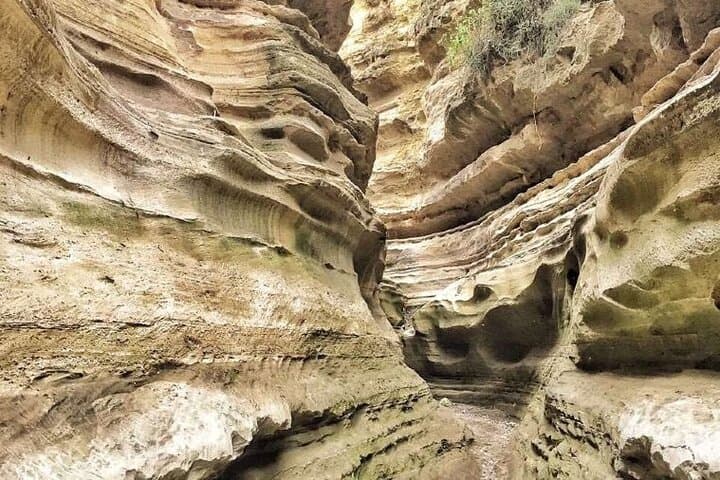
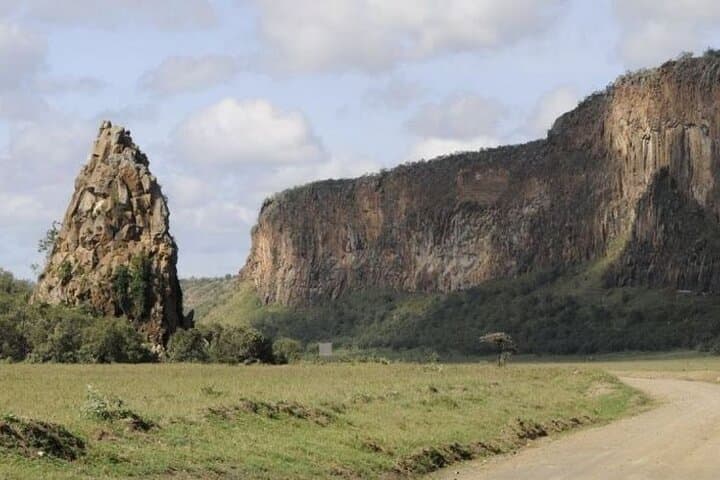
Hell’s Gate National Park sits on the eastern edge of the Great Rift Valley, a younger slice of earth where volcanic uplift and erosion have cut towers and gorges into volcanic tuff and phonolite. Historically this landscape was traversed and used by Maa-speaking communities; today the park coexists with local farming and geothermal development nearby. The dramatic rock fins, the carved gorges and the escarpment overlook are geological pages: faults, columns, and the slow work of water carving lines into stone.
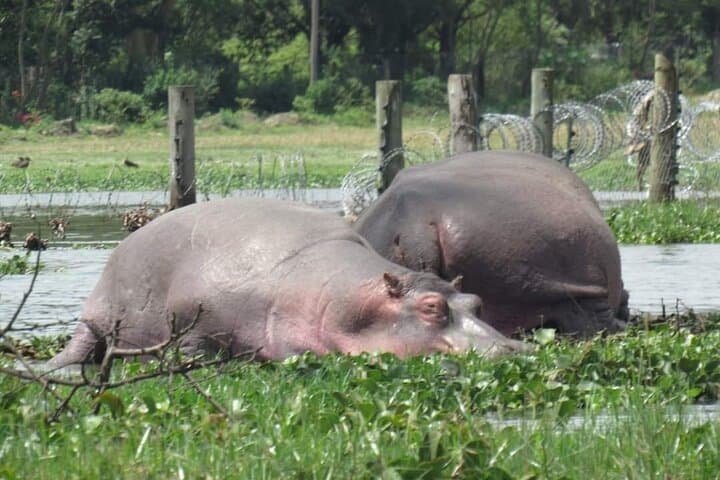
The tour pairs active movement with quiet wildlife watching. The park allows cycling on its service roads, so the rhythm is brisk—a 3–4 hour bike loop over firm gravel interspersed with short hikes into gorges guided by Kenya Wildlife Service rangers. Expect scrub, acacia, and the occasional herd of grazing Thomson’s gazelle. After lunch you descend onto Lake Naivasha, where a gentle boat ride pushes through reeds and into hippo daisy-chain territory while fish eagles quarter the sky.
Practicalities are straightforward. The full-day itinerary leaves Nairobi early (pickup around 6:30 a.m.), with roughly a 1.5–2 hour drive. Total outing time is about nine hours. Bring layered clothing: mornings are cool at altitude, midday warms quickly. Helmets are provided; if you prefer your own pedals and shoes, bring them. Lunch is typically at a nearby restaurant and is not included in the standard rate; carry some Kenyan shillings for tip and extras.
Terrain and fitness: expect steady gravel, short rockier stretches in the gorges, and some up-and-down gradients—elevation around 1,800–2,000 m gives the ride a crisp feel. Guides are experienced and can adapt the route if someone opts to drive through instead of cycling.
Leave no trace: stick to the tracks, keep distance from hippos (they look tame but are dangerous), and support local services—guides, rangers and lakeside boat operators—whose fees help maintain the park. The day finishes with a slow drive back to Nairobi, the Rift escarpment receding as the sun lowers, leaving you with a body tired from pedaling and a set of sharp, unforgettable images.
moderate.
8–9 hours.
Good base fitness for several hours of cycling and short hikes at altitude; casual riders can opt to be driven through parts.
Park entrance and bicycle hire are included per the operator’s itinerary; the lake boat ride admission may be separate—confirm at booking.
Yes; guests who don’t want to cycle can be driven through portions of the park while still joining hikes and the boat trip.
Expect roughly 3–4 hours of cycling on firm gravel and service tracks with short walking excursions into gorges.
Children can join; infant seats are available and guides will advise on safe arrangements—hippo viewing by boat requires strict supervision.
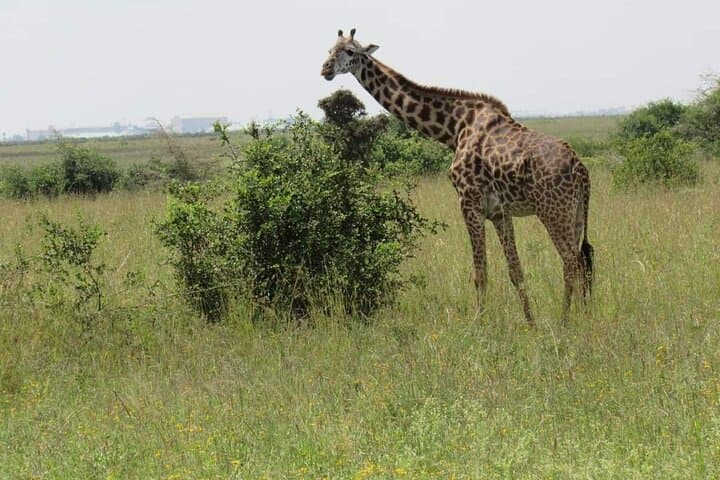
Common sightings include gazelles, zebras, a variety of birds (notably the African fish eagle) and hippos at Lake Naivasha.
Yes—the operator requests direct contact prior to the tour for pickup arrangements; airport pickup carries an extra USD 20 payable on arrival.
The Hell’s Gate area is part of the Great Rift Valley—formed by tectonic rifting—used historically by local Maa-speaking communities and today managed with community and conservation partnerships.
Stick to approved tracks and support local guide services; Lake Naivasha faces water-use pressures and pollution from flower farms, so minimizing waste and using local operators helps reduce impact.
PERFECT EVAWORLD TOURS AND SAFARIS operates guided outdoor trips and adventures with an emphasis on safety, stewardship, and memorable experiences.
You step out of the van at dawn and the Rift Valley opens like a page torn free from the map: vertical cliffs, fumaroles whispering steam, and a flat floor scored by long, gravel tracks that dare you forward. The air at Hell’s Gate is thin and sharp, carrying dust and the distant calls of birds; cyclists adjust helmets and pedals, and guides unfold maps with the economy of people who know which switchbacks give the best light.
You step out of the van at dawn and the Rift Valley opens like a page torn free from the map: vertical cliffs, fumaroles whispering steam, and a flat floor scored by long, gravel tracks that dare you forward. The air at Hell’s Gate is thin and sharp, carrying dust and the distant calls of birds; cyclists adjust helmets and pedals, and guides unfold maps with the economy of people who know which switchbacks give the best light.
Hell’s Gate National Park sits on the eastern edge of the Great Rift Valley, a younger slice of earth where volcanic uplift and erosion have cut towers and gorges into volcanic tuff and phonolite. Historically this landscape was traversed and used by Maa-speaking communities; today the park coexists with local farming and geothermal development nearby. The dramatic rock fins, the carved gorges and the escarpment overlook are geological pages: faults, columns, and the slow work of water carving lines into stone.
The tour pairs active movement with quiet wildlife watching. The park allows cycling on its service roads, so the rhythm is brisk—a 3–4 hour bike loop over firm gravel interspersed with short hikes into gorges guided by Kenya Wildlife Service rangers. Expect scrub, acacia, and the occasional herd of grazing Thomson’s gazelle. After lunch you descend onto Lake Naivasha, where a gentle boat ride pushes through reeds and into hippo daisy-chain territory while fish eagles quarter the sky.
Practicalities are straightforward. The full-day itinerary leaves Nairobi early (pickup around 6:30 a.m.), with roughly a 1.5–2 hour drive. Total outing time is about nine hours. Bring layered clothing: mornings are cool at altitude, midday warms quickly. Helmets are provided; if you prefer your own pedals and shoes, bring them. Lunch is typically at a nearby restaurant and is not included in the standard rate; carry some Kenyan shillings for tip and extras.
Terrain and fitness: expect steady gravel, short rockier stretches in the gorges, and some up-and-down gradients—elevation around 1,800–2,000 m gives the ride a crisp feel. Guides are experienced and can adapt the route if someone opts to drive through instead of cycling.
Leave no trace: stick to the tracks, keep distance from hippos (they look tame but are dangerous), and support local services—guides, rangers and lakeside boat operators—whose fees help maintain the park. The day finishes with a slow drive back to Nairobi, the Rift escarpment receding as the sun lowers, leaving you with a body tired from pedaling and a set of sharp, unforgettable images.