THE ADVENTURE COLLECTIVE® · Independent discovery and booking for outdoor travel

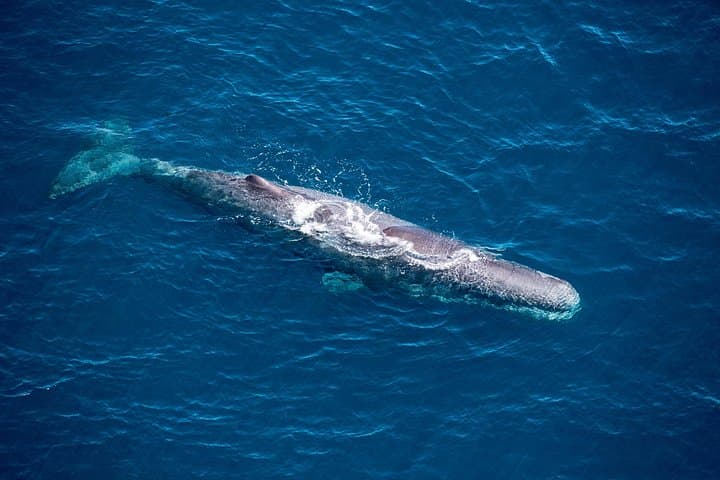
Soar over Kaikōura’s underwater canyon, search for resident sperm whales and land high on the Seaward Kaikōura Ranges. This one-hour helicopter tour pairs marine safari viewing with alpine panoramas—fast, focused, and unforgettable.
Soar over Kaikōura’s underwater canyon, search for resident sperm whales and land high on the Seaward Kaikōura Ranges. This one-hour helicopter tour pairs marine safari viewing with alpine panoramas—fast, focused, and unforgettable.
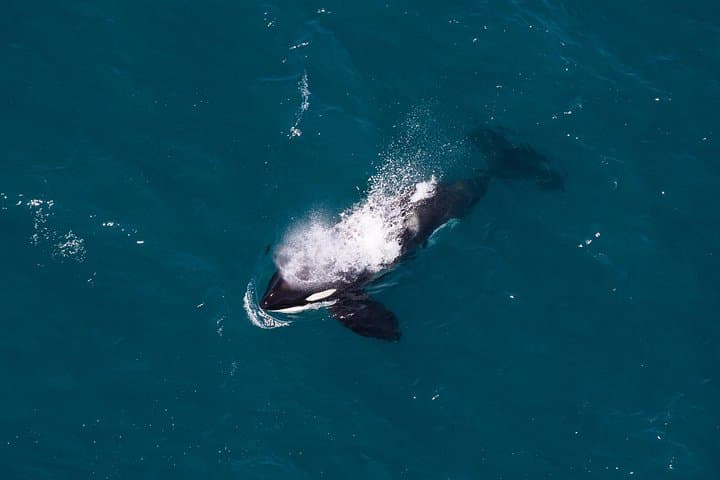
The helicopter rises off Kaikōura’s pebble-strewn shore and the town shrinks beneath the glint of the Pacific. In an hour you’ll cross the dark throat of the Kaikōura Canyon—where nutrient-rich upwellings pull whales close to shore—and sweep past jagged spines of the Seaward Kaikōura Ranges. The sea below tests your attention: a slate of dorsal fins, a flash of dusky dolphin, a fur seal hauled out on a rock. Above, the mountains push the sky back and frame wide views where ocean and alpine meet.
Verified experiences and guided adventures in the surrounding area.
Operated by South Pacific Helicopters NZ · Kaikōura, Canterbury
The helicopter rises off Kaikōura’s pebble-strewn shore and the town shrinks beneath the glint of the Pacific. In an hour you’ll cross the dark throat of the Kaikōura Canyon—where nutrient-rich upwellings pull whales close to shore—and sweep past jagged spines of the Seaward Kaikōura Ranges. The sea below tests your attention: a slate of dorsal fins, a flash of dusky dolphin, a fur seal hauled out on a rock. Above, the mountains push the sky back and frame wide views where ocean and alpine meet.
Kaikōura’s name in te reo Māori refers to crayfish, a reminder of the area’s long coastal food-gathering history and its cultural ties to Ngāi Tahu. Geologically, the region sits where the Pacific and Australian plates collide—uplift from the 2016 earthquake reshaped shorelines and exposed new cliffs that now feed the canyon with sediment and nutrients.
Expect focused wildlife searching: resident sperm whales, seasonal humpbacks and occasional blue whales, plus schools of dolphins and fur seals along the coastline. The alpine landing gives a rare vantage point to see how the range channels weather and shapes coastal currents.
Practical guidance: tours run about 60 minutes, include headsets and lifejackets, and often require weight declarations and early check-in. Dress in windproof layers, bring a spare battery for cameras, and plan for last-minute weather cancellations—Kaikōura’s microclimate can close flights. For photographers, a fast lens and steady hands beat guaranteed sightings; for everyone else, expect an intense, short window where ocean and mountain put on a moving show.
easy.
1 hour.
Suitable for all fitness levels; requires ability to step into and out of a helicopter and stand on uneven alpine ground for a short time.
No guarantee—sightings are very likely around Kaikōura thanks to the canyon, especially for sperm whales, but weather and animal movements mean sightings can’t be promised.
Operators collect passenger weights for aircraft balance; specific limits vary and are requested at booking—check with the provider before arrival.
Flights are commonly cancelled for safety in poor weather—bookings are usually refundable if cancelled at least 24 hours prior, and providers will rebook or refund according to their policy.
Many operators can accommodate passengers with mobility needs, but terrain at the landing can be uneven—discuss specific requirements with the company when booking.
Local Ngāi Tahu iwi have long used Kaikōura for coastal food sources; the town’s Māori name references crayfish and the area’s fishing heritage.
The Kaikōura marine environment is protected by local marine management measures; operators follow codes to minimize disturbance to whales and other marine life.
South Pacific Helicopters NZ operates guided outdoor trips and adventures with an emphasis on safety, stewardship, and memorable experiences.
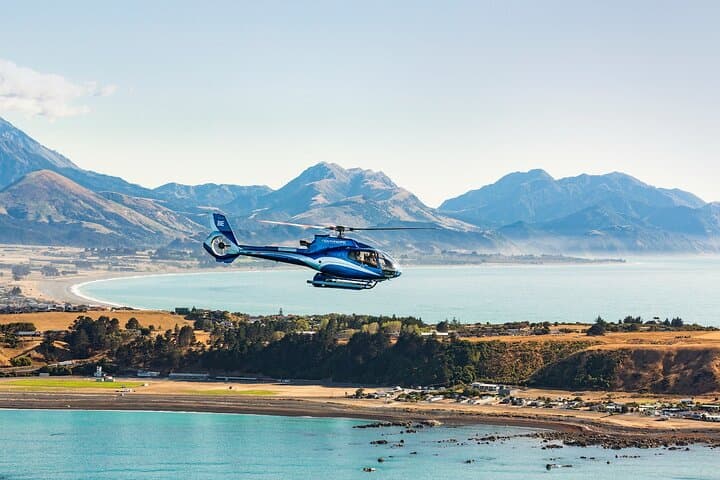
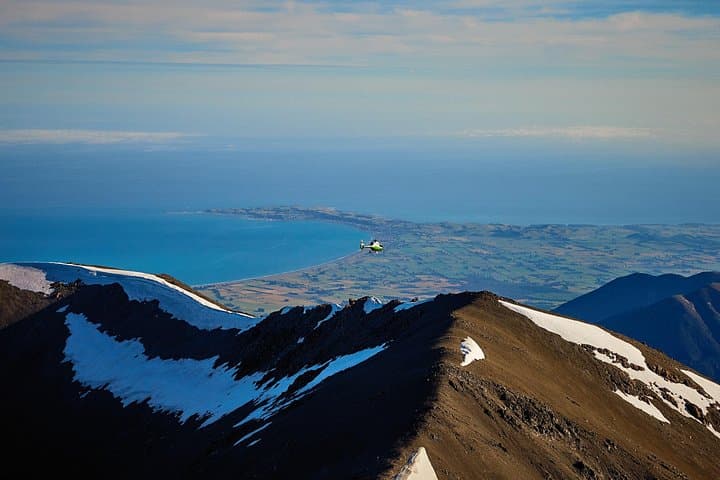
The helicopter rises off Kaikōura’s pebble-strewn shore and the town shrinks beneath the glint of the Pacific. In an hour you’ll cross the dark throat of the Kaikōura Canyon—where nutrient-rich upwellings pull whales close to shore—and sweep past jagged spines of the Seaward Kaikōura Ranges. The sea below tests your attention: a slate of dorsal fins, a flash of dusky dolphin, a fur seal hauled out on a rock. Above, the mountains push the sky back and frame wide views where ocean and alpine meet.
The helicopter rises off Kaikōura’s pebble-strewn shore and the town shrinks beneath the glint of the Pacific. In an hour you’ll cross the dark throat of the Kaikōura Canyon—where nutrient-rich upwellings pull whales close to shore—and sweep past jagged spines of the Seaward Kaikōura Ranges. The sea below tests your attention: a slate of dorsal fins, a flash of dusky dolphin, a fur seal hauled out on a rock. Above, the mountains push the sky back and frame wide views where ocean and alpine meet.
Kaikōura’s name in te reo Māori refers to crayfish, a reminder of the area’s long coastal food-gathering history and its cultural ties to Ngāi Tahu. Geologically, the region sits where the Pacific and Australian plates collide—uplift from the 2016 earthquake reshaped shorelines and exposed new cliffs that now feed the canyon with sediment and nutrients.
Expect focused wildlife searching: resident sperm whales, seasonal humpbacks and occasional blue whales, plus schools of dolphins and fur seals along the coastline. The alpine landing gives a rare vantage point to see how the range channels weather and shapes coastal currents.
Practical guidance: tours run about 60 minutes, include headsets and lifejackets, and often require weight declarations and early check-in. Dress in windproof layers, bring a spare battery for cameras, and plan for last-minute weather cancellations—Kaikōura’s microclimate can close flights. For photographers, a fast lens and steady hands beat guaranteed sightings; for everyone else, expect an intense, short window where ocean and mountain put on a moving show.