THE ADVENTURE COLLECTIVE® · Independent discovery and booking for outdoor travel

Skip the dusty descent and fly the Khumbu: this helicopter transfer takes you from Gorakshep’s high plains over glaciers and ridgelines down to Kathmandu in about an hour. Expect towering views, strict weight limits, and weather-dependent departures.
Skip the dusty descent and fly the Khumbu: this helicopter transfer takes you from Gorakshep’s high plains over glaciers and ridgelines down to Kathmandu in about an hour. Expect towering views, strict weight limits, and weather-dependent departures.
The rotor rises like a patient animal and Gorakshep shrinks beneath you—shards of blue ice, battered prayer flags, and the squat outline of tents resolving into a miniature village. In minutes the helicopter threads the Khumbu Valley, cliffs and glaciers sliding past the panoramic windows as peaks—Everest, Lhotse, Nuptse—assert themselves with quiet force.
Verified experiences and guided adventures in the surrounding area.
Operated by Everest Experience and Assistance · Gorakshep, Province No. 1
The rotor rises like a patient animal and Gorakshep shrinks beneath you—shards of blue ice, battered prayer flags, and the squat outline of tents resolving into a miniature village. In minutes the helicopter threads the Khumbu Valley, cliffs and glaciers sliding past the panoramic windows as peaks—Everest, Lhotse, Nuptse—assert themselves with quiet force.
This flight follows a route carved by tectonics and human history: the high country of the Sherpa people, lifted by the collision of the Indian and Eurasian plates and woven into mountaineering lore since the 1950s. Gorakshep sits above the moraines that feed the Khumbu glacier; lower down, terraced fields and monasteries speak to centuries of highland culture and trade.
Practicalities matter here as much as the view. Total airborne time ranges 65–95 minutes, split into a short Gorakshep–Lukla hop for refuel and a longer Lukla–Kathmandu leg. Expect panoramic seating, limited luggage allowances and a passenger weight cap (110 kg including baggage). Pilots monitor weather closely—clear mornings are best for visibility and safe approaches.
Prepare for thin air and sharp sunlight: layers, a warm shell, and sunglasses make the difference between a comfortable ride and a chilled one. Charge camera batteries and bring spare memory; the angle from the air rewrites perspective and rewards quick framing. Allow flexibility in your schedule—mountain flights are reliable but contingent on conditions.
For travellers who want a fast, dramatic exit from the high Himalaya, this ride turns hours of trekking into an hour of airborne perspective—thrilling, efficient, and unforgettably high.
easy.
65–95 minutes.
No strenuous fitness required, but travellers should be comfortable at high altitude and able to board a helicopter.
There is a strict weight limit of 110 kg per passenger including baggage; operators require declared weights at booking and reserve the right to refuse boarding for safety.
Flights are weather-dependent; the operator will cancel for safety and offers refunds if cancelled at least 24 hours before departure or due to bad weather per policy.
Typical routing includes a short Gorakshep–Lukla hop for refueling (≈14 minutes) followed by Lukla–Kathmandu (≈45 minutes), depending on operational needs.
Bring valid ID and any booking confirmations; ensure you disclose weight and any health conditions—no special permits beyond standard travel documents are usually required.
The Khumbu region is Sherpa homeland and the backbone of Everest-era exploration; Gorakshep served as a last high camp for early expeditions to Everest Base Camp.
High-altitude ecosystems are fragile; travel with responsible operators, pack out all waste, and minimize noise and environmental impact from helicopter operations.
Everest Experience and Assistance operates guided outdoor trips and adventures with an emphasis on safety, stewardship, and memorable experiences.
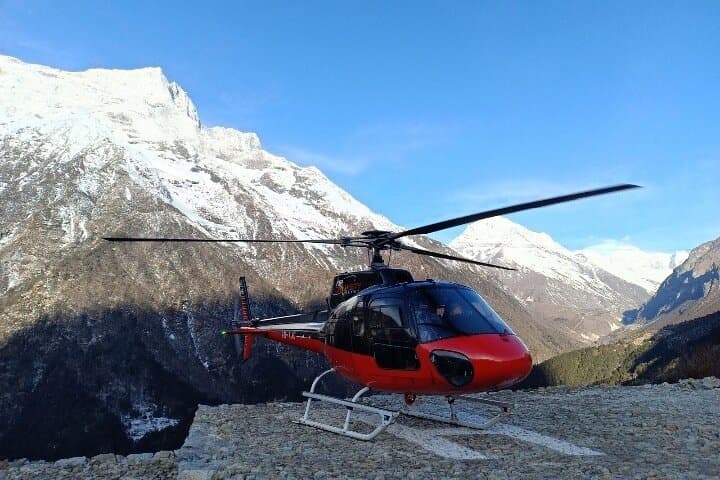
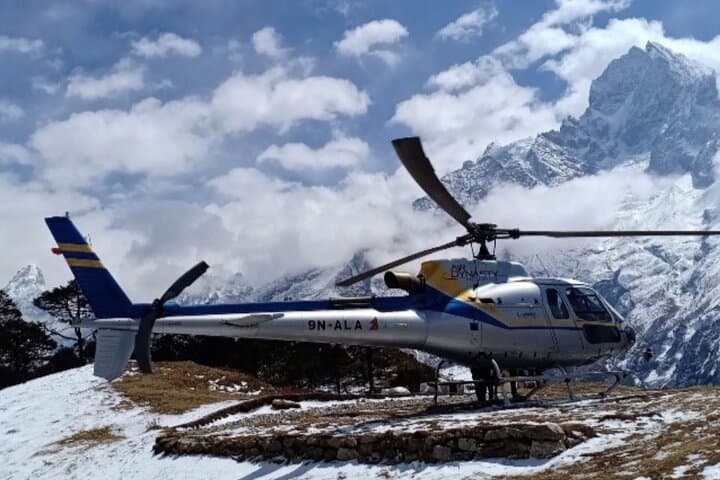
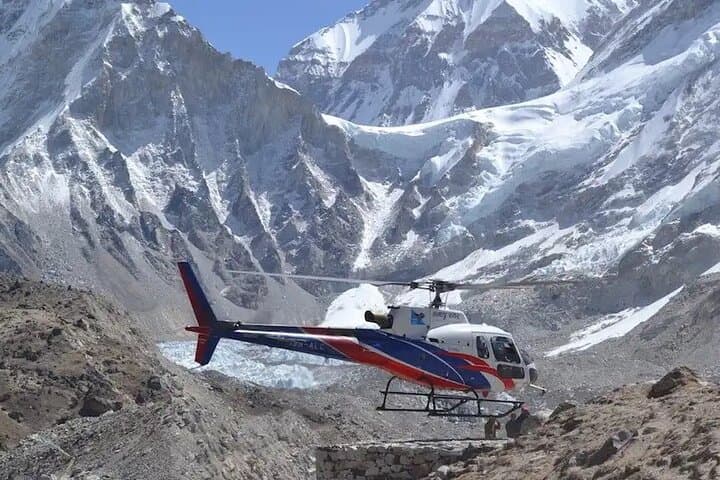
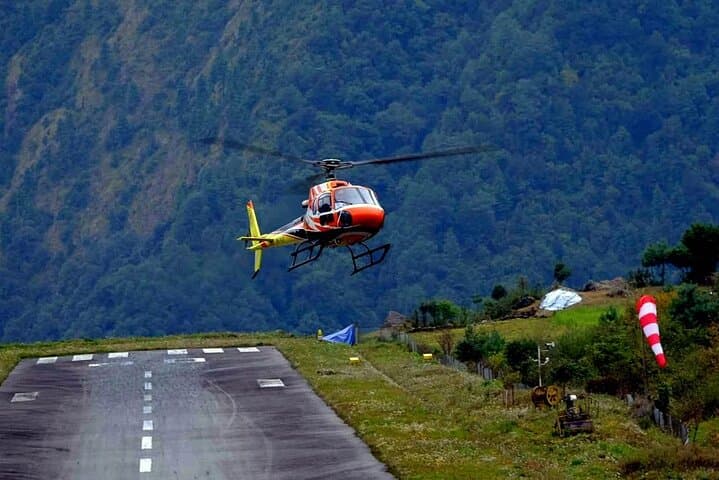
The rotor rises like a patient animal and Gorakshep shrinks beneath you—shards of blue ice, battered prayer flags, and the squat outline of tents resolving into a miniature village. In minutes the helicopter threads the Khumbu Valley, cliffs and glaciers sliding past the panoramic windows as peaks—Everest, Lhotse, Nuptse—assert themselves with quiet force.
The rotor rises like a patient animal and Gorakshep shrinks beneath you—shards of blue ice, battered prayer flags, and the squat outline of tents resolving into a miniature village. In minutes the helicopter threads the Khumbu Valley, cliffs and glaciers sliding past the panoramic windows as peaks—Everest, Lhotse, Nuptse—assert themselves with quiet force.
This flight follows a route carved by tectonics and human history: the high country of the Sherpa people, lifted by the collision of the Indian and Eurasian plates and woven into mountaineering lore since the 1950s. Gorakshep sits above the moraines that feed the Khumbu glacier; lower down, terraced fields and monasteries speak to centuries of highland culture and trade.
Practicalities matter here as much as the view. Total airborne time ranges 65–95 minutes, split into a short Gorakshep–Lukla hop for refuel and a longer Lukla–Kathmandu leg. Expect panoramic seating, limited luggage allowances and a passenger weight cap (110 kg including baggage). Pilots monitor weather closely—clear mornings are best for visibility and safe approaches.
Prepare for thin air and sharp sunlight: layers, a warm shell, and sunglasses make the difference between a comfortable ride and a chilled one. Charge camera batteries and bring spare memory; the angle from the air rewrites perspective and rewards quick framing. Allow flexibility in your schedule—mountain flights are reliable but contingent on conditions.
For travellers who want a fast, dramatic exit from the high Himalaya, this ride turns hours of trekking into an hour of airborne perspective—thrilling, efficient, and unforgettably high.