THE ADVENTURE COLLECTIVE® · Independent discovery and booking for outdoor travel

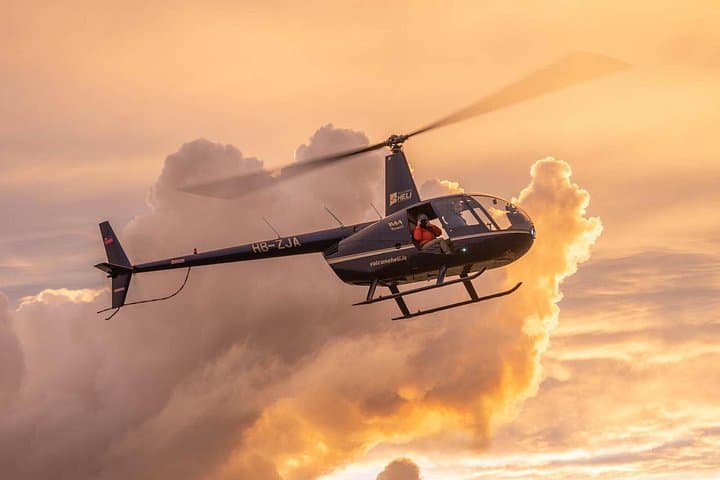
Take to the skies from Reykjavík on a private helicopter photo tour that traces Ölfusá’s braided channels, hugs black-sand coastlines, and captures steam plumes above the Hengill geothermal area. This door-off flight is tailored for photographers who want crisp aerial compositions and dramatic Icelandic geology.
Take to the skies from Reykjavík on a private helicopter photo tour that traces Ölfusá’s braided channels, hugs black-sand coastlines, and captures steam plumes above the Hengill geothermal area. This door-off flight is tailored for photographers who want crisp aerial compositions and dramatic Icelandic geology.
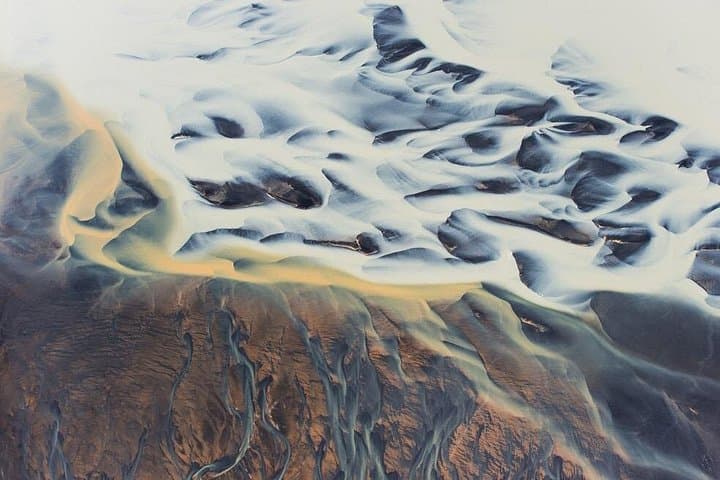
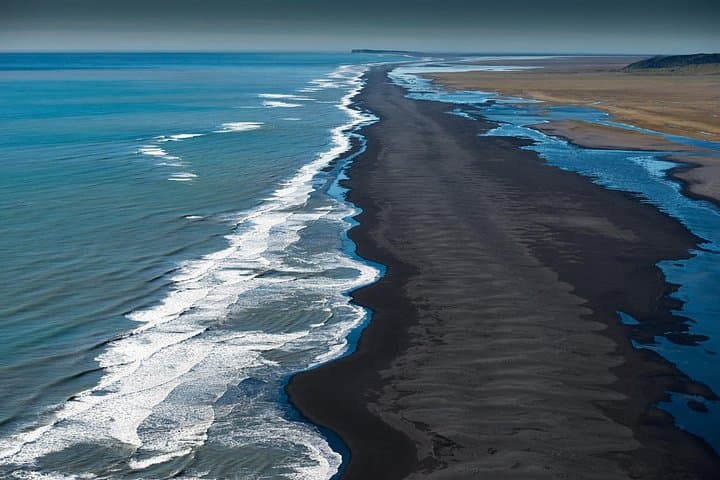
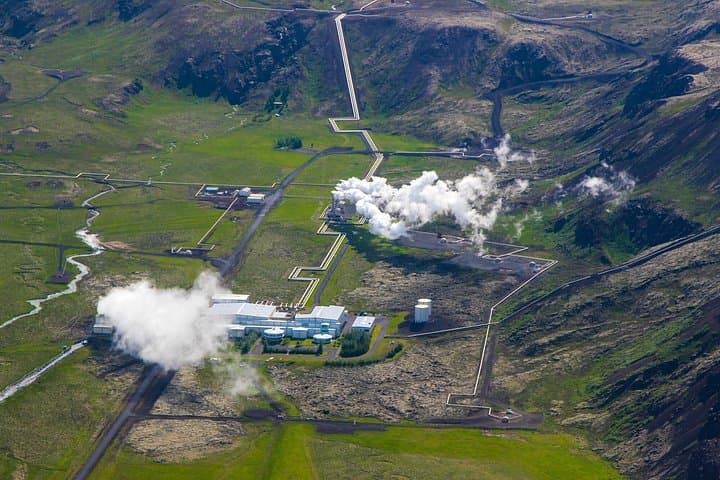
You lift off from Reykjavík and the city shrinks into a mosaic of rooftops; below, the Ölfusá unfurls in braided ribbons, dark water carving channels through glacial sediment. The helicopter hum is a steady companion as you angle toward the black-sand coast and the Þjórsá meanders—patterns that only reveal themselves from above. Steam rises ahead like a living thing from the Hengill geothermal fields, hissing through vents and sketching white veins across re-heated earth.
Verified experiences and guided adventures in the surrounding area.
Operated by Volcano Heli - Iceland Helicopter Tours · Reykjavík, Capital Region
You lift off from Reykjavík and the city shrinks into a mosaic of rooftops; below, the Ölfusá unfurls in braided ribbons, dark water carving channels through glacial sediment. The helicopter hum is a steady companion as you angle toward the black-sand coast and the Þjórsá meanders—patterns that only reveal themselves from above. Steam rises ahead like a living thing from the Hengill geothermal fields, hissing through vents and sketching white veins across re-heated earth.
This stretch of south Iceland tells a simple geological story: recent glacial action, volcanic heat, and rivers that reshape the land each spring. Þjórsá is Iceland’s longest river, born of Vatnajökull’s melt and carrying sediment to the sea; Hengill is an ancient volcanic ridge now tapped for geothermal power and dotted with fumaroles and hot springs used by locals for centuries.
Culturally, the lowlands below Reykjavík have fed nearby settlements since the Viking age—rivers determined farms, and the coast guided fishing villages. From the air you see those ties: roads, farms, and clusters of Icelandic horses moving like punctuation marks.
Practical notes: this private, door-off photo flight runs about 1.75 hours and accommodates up to three passengers. Dress for wind and sudden cold—temperatures are lower aloft and near steam vents. Bring fast lenses, spare batteries, and secure camera straps; follow the crew’s safety briefing for door-off shots. Weather can cancel flights; leave flexibility in your schedule and plan ground options in Reykjavík if visibility is poor.
easy.
1–2 hours.
Minimal fitness required—passengers must be able to step into the helicopter and remain seated for the flight; not suitable for those with certain spinal or heart conditions.
Yes—this private photo tour allows one door off for shooting; follow crew instructions and use provided safety harnesses.
Operators request accurate passenger weight and height at booking for weight-and-balance; infants must sit on an adult’s lap and consult the operator for age restrictions.
Flights can be canceled for safety or visibility; the tour offers a full refund if canceled at least 24 hours prior or will reschedule depending on availability.
Yes—helmets and harnesses for door‑off operations are supplied and mandatory for safety during external shooting.
Rivers like Ölfusá and Þjórsá shaped settlement and travel routes since the Viking age; Hengill’s geothermal activity has long been used for local bathing and, more recently, energy production.
Ground vegetation is fragile—avoid off‑trail landings and follow operator rules to minimize disturbance; helicopter operators in Iceland are regulated to reduce noise and wildlife disruption.
Volcano Heli - Iceland Helicopter Tours operates guided outdoor trips and adventures with an emphasis on safety, stewardship, and memorable experiences.
You lift off from Reykjavík and the city shrinks into a mosaic of rooftops; below, the Ölfusá unfurls in braided ribbons, dark water carving channels through glacial sediment. The helicopter hum is a steady companion as you angle toward the black-sand coast and the Þjórsá meanders—patterns that only reveal themselves from above. Steam rises ahead like a living thing from the Hengill geothermal fields, hissing through vents and sketching white veins across re-heated earth.
You lift off from Reykjavík and the city shrinks into a mosaic of rooftops; below, the Ölfusá unfurls in braided ribbons, dark water carving channels through glacial sediment. The helicopter hum is a steady companion as you angle toward the black-sand coast and the Þjórsá meanders—patterns that only reveal themselves from above. Steam rises ahead like a living thing from the Hengill geothermal fields, hissing through vents and sketching white veins across re-heated earth.
This stretch of south Iceland tells a simple geological story: recent glacial action, volcanic heat, and rivers that reshape the land each spring. Þjórsá is Iceland’s longest river, born of Vatnajökull’s melt and carrying sediment to the sea; Hengill is an ancient volcanic ridge now tapped for geothermal power and dotted with fumaroles and hot springs used by locals for centuries.
Culturally, the lowlands below Reykjavík have fed nearby settlements since the Viking age—rivers determined farms, and the coast guided fishing villages. From the air you see those ties: roads, farms, and clusters of Icelandic horses moving like punctuation marks.
Practical notes: this private, door-off photo flight runs about 1.75 hours and accommodates up to three passengers. Dress for wind and sudden cold—temperatures are lower aloft and near steam vents. Bring fast lenses, spare batteries, and secure camera straps; follow the crew’s safety briefing for door-off shots. Weather can cancel flights; leave flexibility in your schedule and plan ground options in Reykjavík if visibility is poor.