THE ADVENTURE COLLECTIVE® · Independent discovery and booking for outdoor travel

Climb into a helicopter at Ushuaia’s old airstrip and in 30 minutes land on a Cordillera ridge, circling glaciers, lagoons, and the Beagle Channel. This compact aerial tour delivers dramatic landscape perspective and practical access to the Fuegian Andes.
Climb into a helicopter at Ushuaia’s old airstrip and in 30 minutes land on a Cordillera ridge, circling glaciers, lagoons, and the Beagle Channel. This compact aerial tour delivers dramatic landscape perspective and practical access to the Fuegian Andes.
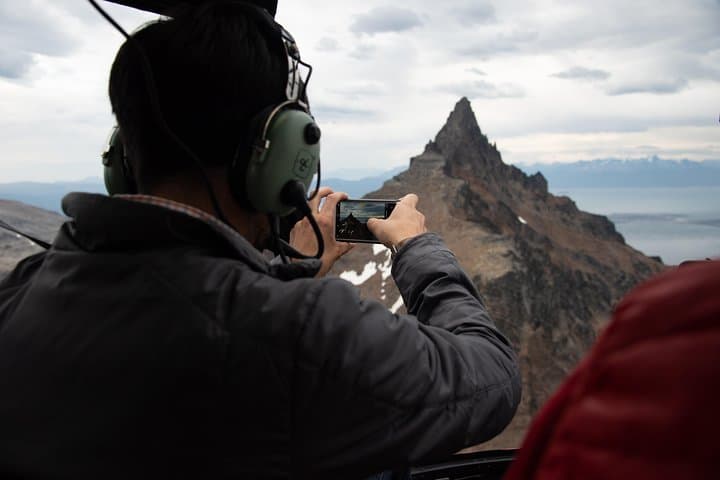
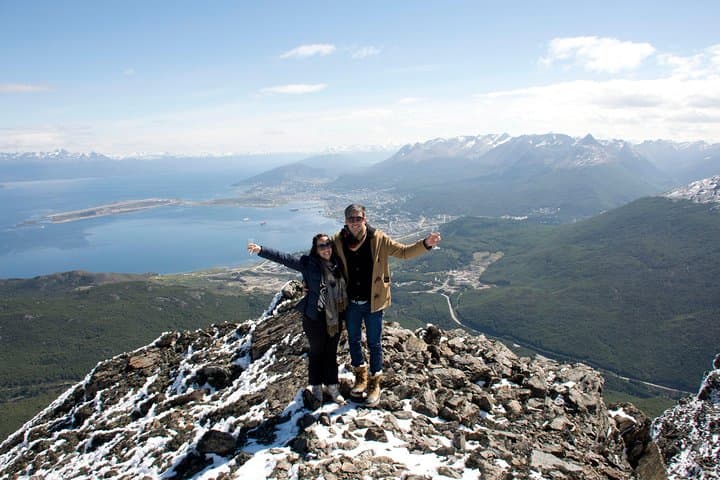
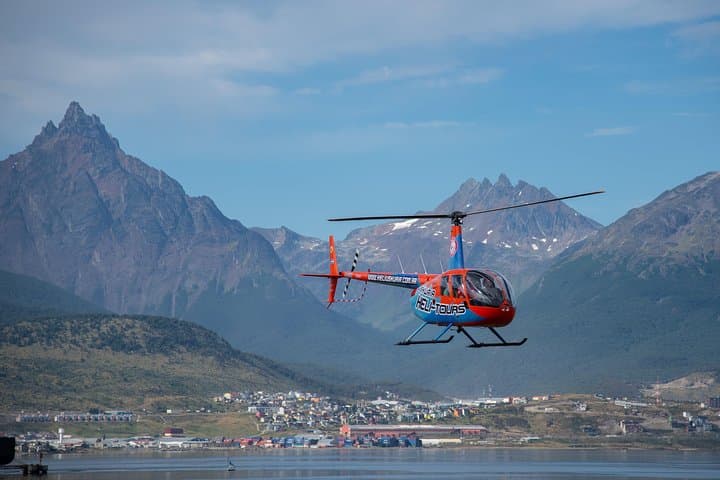
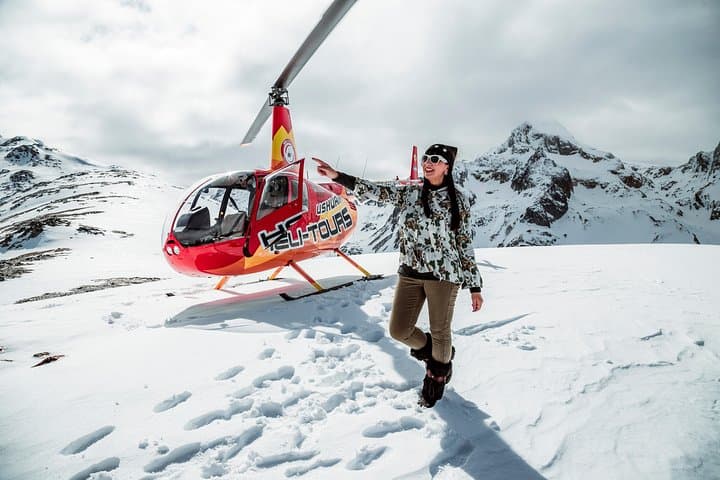
The helicopter lifts off from the old runway and Ushuaia shrinks into a patchwork of corrugated tin roofs and coastal light. In thirty minutes you trade street-level wind for the raw geometry of the Fuegian Andes—spines of stone, blue-tinged glaciers, and lagoons that flash like coins below. The rotor thuds a steady heartbeat as the pilot points the skids toward a ridge landing in the Cordillera; the world opens in a cinematic sweep.
Verified experiences and guided adventures in the surrounding area.
Operated by Heliushuaia · Ushuaia, Tierra del Fuego
The helicopter lifts off from the old runway and Ushuaia shrinks into a patchwork of corrugated tin roofs and coastal light. In thirty minutes you trade street-level wind for the raw geometry of the Fuegian Andes—spines of stone, blue-tinged glaciers, and lagoons that flash like coins below. The rotor thuds a steady heartbeat as the pilot points the skids toward a ridge landing in the Cordillera; the world opens in a cinematic sweep.
This flight is as much about place as spectacle. Ushuaia grew where mountains meet ocean, first inhabited by Yámana people who read the currents and ice. European settlement tightened its hold in the late 19th century when the Argentine government developed the port and penal colony, leaving a layered human history along the Beagle Channel. Geologically, the landscape is recent and restless: tectonic uplift and repeated glaciation carved steep valleys and left high mountain lagoons where meltwater pools in surreal aquamarine.
From the air you see how glaciers still shape everything, cleaving cirques and feeding rivers that hurry to the sea. The Cordillera here is not anonymous grandeur; each ridge and hanging valley feels active—wind-driven weather chisels the snowfields and coastal currents sculpt the shoreline. Wildlife punctuates the margins: cormorants and sea lions cluster on outcrops, and on calmer days you can make out the white caps of kelp beds below.
Practicalities are straightforward but important. The flight runs about 30 minutes, departing from Ushuaia’s airstrip (arrive at the southern end of the runway). The tour accepts up to 15 passengers per sortie; weight per passenger is capped at 125 kg. Flights are weather-dependent and may be canceled for safety, so book early in your trip and allow a buffer day for rescheduling. Expect ground transfers—operators typically send a car or hotel pickup about 30 minutes before departure.
For gear, pack a windproof outer layer, a small camera with a short zoom, and closed shoes for any brief landings. Morning windows often offer cleaner light and steadier air, while late afternoon can deliver saturated colors if the weather cooperates. If you’re prone to motion sickness, plan accordingly; the helicopter’s nimble turns make for excellent viewpoints but can unsettle sensitive stomachs.
This is not a wilderness trek but a concentrated encounter: a rapid, airborne orientation to the southernmost edge of the Andes, where glaciers still assert themselves and the Beagle Channel dares you to look down. For travelers short on time who want the landscape’s high points fast, the overflight delivers a clear, efficient, and unforgettable perspective.
easy.
30 minutes.
No special fitness required—passengers must be able to sit unassisted for the flight; brief disembarkation on uneven ground may be required.
The scheduled flight time is approximately 30 minutes from takeoff to landing at the Cordillera site and return to the airstrip.
Departure is from Ushuaia’s airstrip; guests are asked to go to the southern area of the runway for check-in or arrange hotel pickup in advance.
Yes—maximum weight per passenger is 125 kg; accurate weights are required when booking to ensure aircraft safety.
Yes—infants are allowed but must sit on an adult’s lap; operators typically accept all ages but check specific child policies when booking.
Flights are weather-dependent; tours may be canceled for safety and are refundable if canceled at least 24 hours prior or by the operator due to conditions.
Yes—the itinerary includes a planned landing in the Cordillera for ridge views and photos; brief disembarkation on uneven terrain is possible.
Ushuaia developed at the edge of the Andes with a complex history: indigenous Yámana communities first navigated these waters, later followed by 19th-century settlers and a penal colony that shaped the town’s early infrastructure.
The Fuegian environment is sensitive: operators follow flight paths and landing protocols to minimize disturbance, and visitors should avoid litter, respect wildlife, and support regulated access to protected areas like Tierra del Fuego National Park.
Heliushuaia operates guided outdoor trips and adventures with an emphasis on safety, stewardship, and memorable experiences.
The helicopter lifts off from the old runway and Ushuaia shrinks into a patchwork of corrugated tin roofs and coastal light. In thirty minutes you trade street-level wind for the raw geometry of the Fuegian Andes—spines of stone, blue-tinged glaciers, and lagoons that flash like coins below. The rotor thuds a steady heartbeat as the pilot points the skids toward a ridge landing in the Cordillera; the world opens in a cinematic sweep.
The helicopter lifts off from the old runway and Ushuaia shrinks into a patchwork of corrugated tin roofs and coastal light. In thirty minutes you trade street-level wind for the raw geometry of the Fuegian Andes—spines of stone, blue-tinged glaciers, and lagoons that flash like coins below. The rotor thuds a steady heartbeat as the pilot points the skids toward a ridge landing in the Cordillera; the world opens in a cinematic sweep.
This flight is as much about place as spectacle. Ushuaia grew where mountains meet ocean, first inhabited by Yámana people who read the currents and ice. European settlement tightened its hold in the late 19th century when the Argentine government developed the port and penal colony, leaving a layered human history along the Beagle Channel. Geologically, the landscape is recent and restless: tectonic uplift and repeated glaciation carved steep valleys and left high mountain lagoons where meltwater pools in surreal aquamarine.
From the air you see how glaciers still shape everything, cleaving cirques and feeding rivers that hurry to the sea. The Cordillera here is not anonymous grandeur; each ridge and hanging valley feels active—wind-driven weather chisels the snowfields and coastal currents sculpt the shoreline. Wildlife punctuates the margins: cormorants and sea lions cluster on outcrops, and on calmer days you can make out the white caps of kelp beds below.
Practicalities are straightforward but important. The flight runs about 30 minutes, departing from Ushuaia’s airstrip (arrive at the southern end of the runway). The tour accepts up to 15 passengers per sortie; weight per passenger is capped at 125 kg. Flights are weather-dependent and may be canceled for safety, so book early in your trip and allow a buffer day for rescheduling. Expect ground transfers—operators typically send a car or hotel pickup about 30 minutes before departure.
For gear, pack a windproof outer layer, a small camera with a short zoom, and closed shoes for any brief landings. Morning windows often offer cleaner light and steadier air, while late afternoon can deliver saturated colors if the weather cooperates. If you’re prone to motion sickness, plan accordingly; the helicopter’s nimble turns make for excellent viewpoints but can unsettle sensitive stomachs.
This is not a wilderness trek but a concentrated encounter: a rapid, airborne orientation to the southernmost edge of the Andes, where glaciers still assert themselves and the Beagle Channel dares you to look down. For travelers short on time who want the landscape’s high points fast, the overflight delivers a clear, efficient, and unforgettable perspective.