THE ADVENTURE COLLECTIVE® · Independent discovery and booking for outdoor travel

In a short, dramatic flight from Pokhara you land inside the Annapurna Sanctuary for thirty minutes of jaw-dropping alpine views. This helicopter tour is the fastest way to reach ABC, offering panoramic mountain vistas, hotel transfers, and emergency oxygen when weather and weight limits allow.
In a short, dramatic flight from Pokhara you land inside the Annapurna Sanctuary for thirty minutes of jaw-dropping alpine views. This helicopter tour is the fastest way to reach ABC, offering panoramic mountain vistas, hotel transfers, and emergency oxygen when weather and weight limits allow.
Dawn breaks over Pokhara as rotor wash stirs the cool valley air and the helicopter peels away toward the high amphitheater of the Annapurna massif.
Verified experiences and guided adventures in the surrounding area.
Operated by Welcome Nepal Treks P.ltd · Pokhara, Gandaki Province
Dawn breaks over Pokhara as rotor wash stirs the cool valley air and the helicopter peels away toward the high amphitheater of the Annapurna massif.
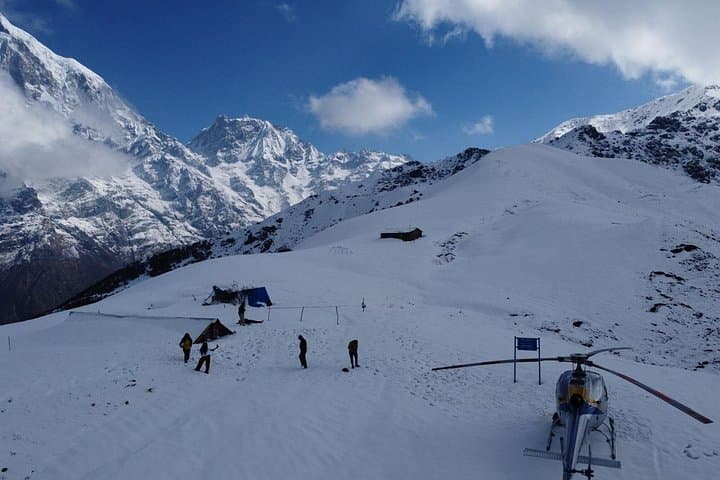
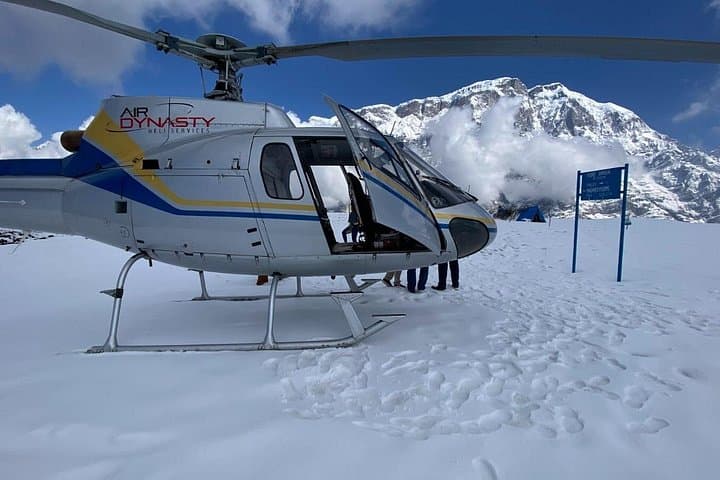
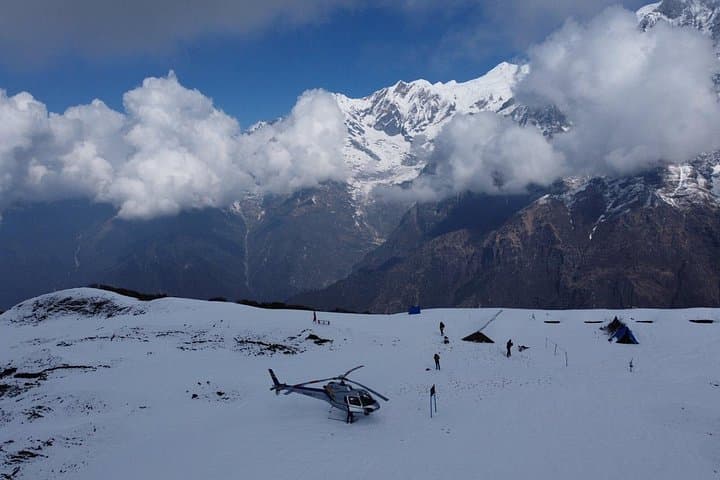
Within twenty minutes the aircraft climbs above terraced hills and cloud banks; the peaks sharpen and the Annapurna Sanctuary opens like a stone bowl below. The pilot eases down at Annapurna Base Camp (≈4,130 m), giving passengers thirty minutes to step out into thin air, sip a hot drink, and photograph jagged ridgelines that seem to rearrange the horizon.
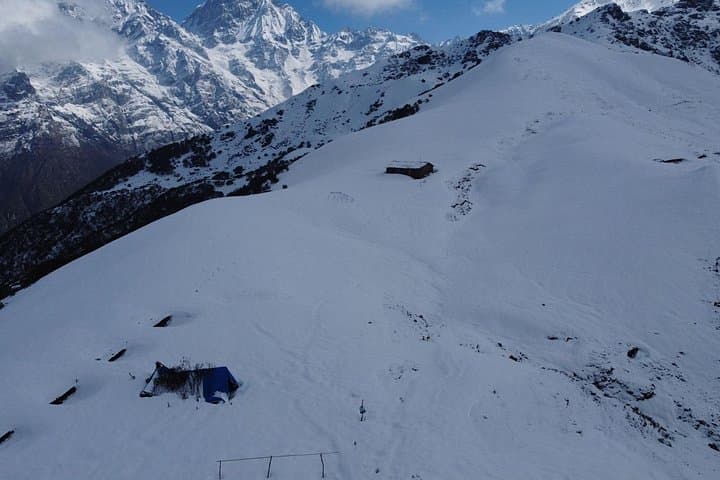
The Sanctuary is a glacial basin carved by ice and time, hemmed by eleven major summits and sacred to local Hindu and Gurung traditions—Machhapuchhare (Fishtail) remains unclimbed for cultural reasons. The geology here tells of uplift and relentless erosion; glaciers and moraines shape the valleys while seasonal snowfields shift the light.
Practicalities are straightforward: tours depart early from Pokhara, include hotel pickup and airport transfers, and carry emergency oxygen and first aid. Weather dictates operations—clear, cold mornings offer the best views; clouds and wind can cancel flights.
For visitors short on time, the heli tour delivers a concentrated experience of high-mountain scale without days of trekking. Wear windproof layers, sturdy shoes for uneven ground, sunglasses and spare batteries—altitude drains electronics and breath. Respect local customs around sacred peaks, keep the landing zone clear, and plan for a quick but intense encounter with Himalayan weather and wilderness.
The trip balances spectacle with logistics: a photographic, high-altitude visit that exposes travelers to geology, local culture, and the practicalities of flying where mountains command the rules.
moderate.
2 hours.
Participants should have moderate fitness — able to stand and walk on uneven, icy or rocky ground for short periods at altitude.
Typical itineraries include about 25–35 minutes on the ground for photos and short exploration before returning to Pokhara.
Because the visit is brief, severe altitude sickness is uncommon, but travelers with cardiovascular or respiratory issues should consult a doctor; emergency oxygen is carried on board.
Helicopters are weight-restricted and usually carry up to 5 passengers depending on combined weight; disclose accurate passenger weights when booking.
Operators commonly cancel or reschedule for poor weather; check the cancellation policy and book with flexible timing to allow a backup day.
The Annapurna Sanctuary has long been recognized by local Gurung and Hindu communities as a sacred basin; modern mountaineering and conservation efforts expanded in the 20th century.
Aircraft operations concentrate impacts into brief windows, but visitors should minimize footprint by following crew instructions, carrying out trash, and respecting culturally protected peaks.
Welcome Nepal Treks P.ltd operates guided outdoor trips and adventures with an emphasis on safety, stewardship, and memorable experiences.
Dawn breaks over Pokhara as rotor wash stirs the cool valley air and the helicopter peels away toward the high amphitheater of the Annapurna massif.
Dawn breaks over Pokhara as rotor wash stirs the cool valley air and the helicopter peels away toward the high amphitheater of the Annapurna massif.
Within twenty minutes the aircraft climbs above terraced hills and cloud banks; the peaks sharpen and the Annapurna Sanctuary opens like a stone bowl below. The pilot eases down at Annapurna Base Camp (≈4,130 m), giving passengers thirty minutes to step out into thin air, sip a hot drink, and photograph jagged ridgelines that seem to rearrange the horizon.
The Sanctuary is a glacial basin carved by ice and time, hemmed by eleven major summits and sacred to local Hindu and Gurung traditions—Machhapuchhare (Fishtail) remains unclimbed for cultural reasons. The geology here tells of uplift and relentless erosion; glaciers and moraines shape the valleys while seasonal snowfields shift the light.
Practicalities are straightforward: tours depart early from Pokhara, include hotel pickup and airport transfers, and carry emergency oxygen and first aid. Weather dictates operations—clear, cold mornings offer the best views; clouds and wind can cancel flights.
For visitors short on time, the heli tour delivers a concentrated experience of high-mountain scale without days of trekking. Wear windproof layers, sturdy shoes for uneven ground, sunglasses and spare batteries—altitude drains electronics and breath. Respect local customs around sacred peaks, keep the landing zone clear, and plan for a quick but intense encounter with Himalayan weather and wilderness.
The trip balances spectacle with logistics: a photographic, high-altitude visit that exposes travelers to geology, local culture, and the practicalities of flying where mountains command the rules.