THE ADVENTURE COLLECTIVE® · Independent discovery and booking for outdoor travel

Walk among more than 110 tombs carved into sandstone cliffs at Hegra, Saudi Arabia’s first UNESCO World Heritage Site. This guided two-hour visit from AlUla pairs concise history with accessible trails and practical tips for a meaningful archaeological outing.
Walk among more than 110 tombs carved into sandstone cliffs at Hegra, Saudi Arabia’s first UNESCO World Heritage Site. This guided two-hour visit from AlUla pairs concise history with accessible trails and practical tips for a meaningful archaeological outing.
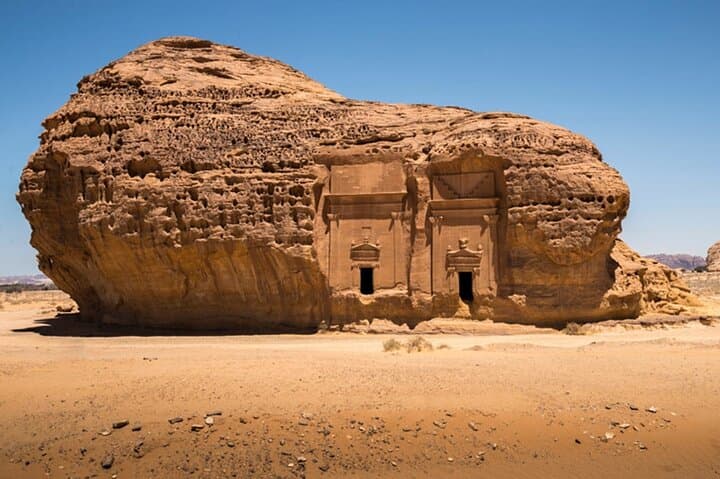
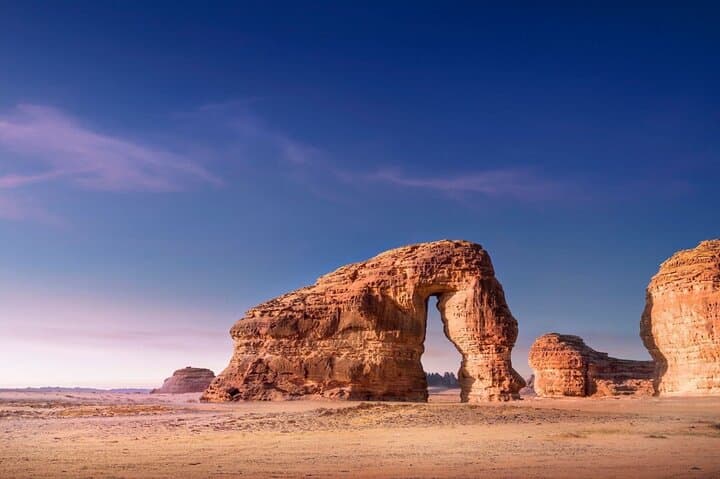
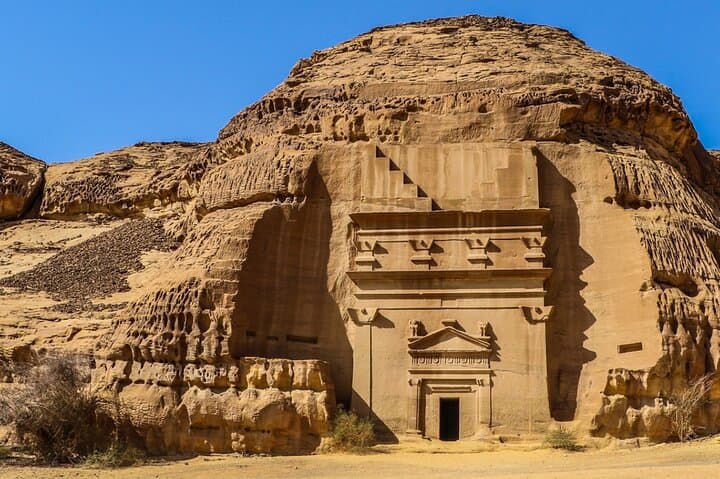
The morning sun strips the desert of its chill and the sandstone cliffs at Hegra stand like pages of a geologic ledger—banded reds, creams and ochres carved into monumental tomb facades. Your guide leads a compact group along compacted paths, the silence broken only by wind and the occasional rub of sand against stone as you circle tombs that once watched caravan traffic through northwest Arabia.
Verified experiences and guided adventures in the surrounding area.
Operated by Desert Point Tourism LLC · AlUla, Al Madinah Region
The morning sun strips the desert of its chill and the sandstone cliffs at Hegra stand like pages of a geologic ledger—banded reds, creams and ochres carved into monumental tomb facades. Your guide leads a compact group along compacted paths, the silence broken only by wind and the occasional rub of sand against stone as you circle tombs that once watched caravan traffic through northwest Arabia.
Hegra (Madâin Sâlih) is Saudi Arabia’s first UNESCO World Heritage Site and the largest preserved Nabatean settlement south of Petra. The Nabataeans engineered cisterns and carved inscriptions into resistant sandstone, leaving a record of trade, language and funerary architecture that links Arabia to Mediterranean caravan routes. The cliffs themselves tell a story: wind sculpted layers, joints exploited by carvers, and mineral streaks that mark ancient groundwater flow.
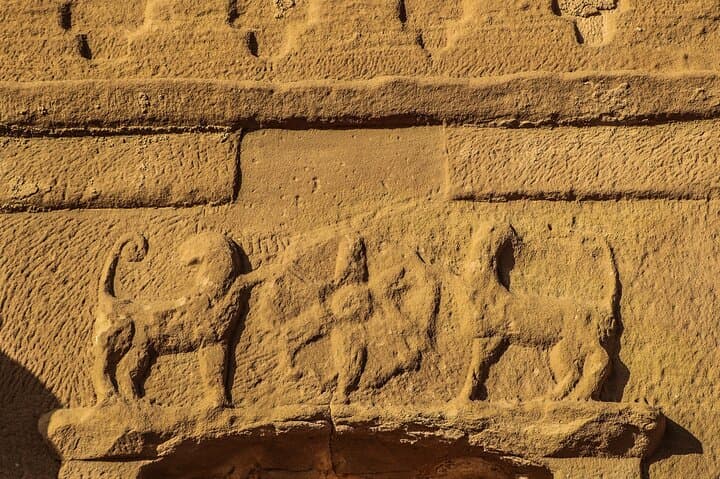
Culturally, the site is compact and interpretive—facades range from simple to ornate, bearing Greek and Nabatean inscriptions; the landscape still holds the feel of a trade corridor rather than an isolated ruin. Expect detailed guiding, short walking intervals and accessible trails, but also uneven stone and short stairways into viewing alcoves. The tour includes entrance, guiding and round-trip transport from AlUla, usually completed in about two hours.
Practical notes: wear sturdy closed shoes, sun protection and bring at least one liter of water; mornings are cooler and best for photos and avoiding heat. Respect signage—many tombs are fragile—and follow your guide’s route to protect delicate rock art. With modest walking, clear light and a skilled guide, Hegra delivers both a compact cultural deep dive and a vivid lesson in desert geology.
easy.
2 hours.
Suitable for all fitness levels—requires short periods of walking on uneven ground and several steps.
The guided experience runs about two hours including transport time to and from AlUla and a one-hour exploration of the site.
Yes; the tour is rated easy with short walks and is suitable for most ages, though mobility issues may restrict access to some viewpoints.
Yes—this tour includes entrance fees, guiding and round-trip transportation from accommodations in AlUla.
Light snacks are fine in designated areas, but do not touch carvings or facades—oils from hands can damage rock surfaces and signage will indicate restricted zones.
Hegra was a key Nabataean caravan hub in the 1st century BCE–1st century CE, later absorbed into Roman sphere; its funerary facades mirror architectural trends seen in Petra to the north.
Visitor access is managed to protect sandstone facades and inscriptions—stay on paths and heed guides to minimize wear and avoid touching rock art.
Desert Point Tourism LLC operates guided outdoor trips and adventures with an emphasis on safety, stewardship, and memorable experiences.
The morning sun strips the desert of its chill and the sandstone cliffs at Hegra stand like pages of a geologic ledger—banded reds, creams and ochres carved into monumental tomb facades. Your guide leads a compact group along compacted paths, the silence broken only by wind and the occasional rub of sand against stone as you circle tombs that once watched caravan traffic through northwest Arabia.
The morning sun strips the desert of its chill and the sandstone cliffs at Hegra stand like pages of a geologic ledger—banded reds, creams and ochres carved into monumental tomb facades. Your guide leads a compact group along compacted paths, the silence broken only by wind and the occasional rub of sand against stone as you circle tombs that once watched caravan traffic through northwest Arabia.
Hegra (Madâin Sâlih) is Saudi Arabia’s first UNESCO World Heritage Site and the largest preserved Nabatean settlement south of Petra. The Nabataeans engineered cisterns and carved inscriptions into resistant sandstone, leaving a record of trade, language and funerary architecture that links Arabia to Mediterranean caravan routes. The cliffs themselves tell a story: wind sculpted layers, joints exploited by carvers, and mineral streaks that mark ancient groundwater flow.
Culturally, the site is compact and interpretive—facades range from simple to ornate, bearing Greek and Nabatean inscriptions; the landscape still holds the feel of a trade corridor rather than an isolated ruin. Expect detailed guiding, short walking intervals and accessible trails, but also uneven stone and short stairways into viewing alcoves. The tour includes entrance, guiding and round-trip transport from AlUla, usually completed in about two hours.
Practical notes: wear sturdy closed shoes, sun protection and bring at least one liter of water; mornings are cooler and best for photos and avoiding heat. Respect signage—many tombs are fragile—and follow your guide’s route to protect delicate rock art. With modest walking, clear light and a skilled guide, Hegra delivers both a compact cultural deep dive and a vivid lesson in desert geology.