THE ADVENTURE COLLECTIVE® · Independent discovery and booking for outdoor travel

Explore Singapore’s heartlands on a 3.5-hour walking tour through Toa Payoh, Bishan, and Ang Mo Kio. Expect heritage playgrounds, restored waterways, vibrant hawker centres and intimate encounters with everyday local life.
Explore Singapore’s heartlands on a 3.5-hour walking tour through Toa Payoh, Bishan, and Ang Mo Kio. Expect heritage playgrounds, restored waterways, vibrant hawker centres and intimate encounters with everyday local life.
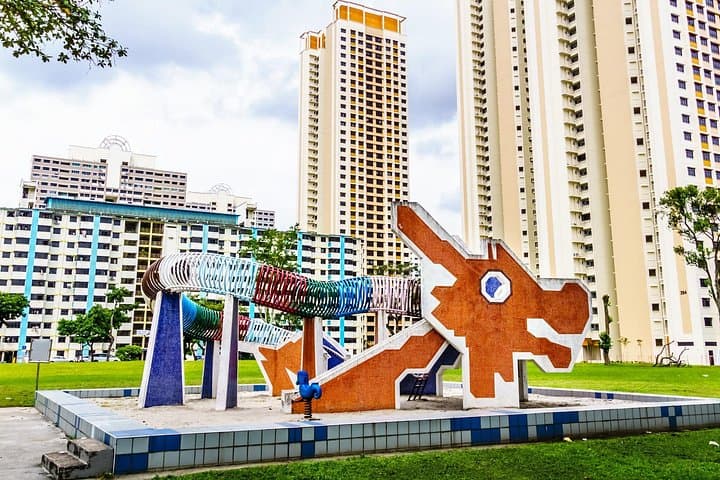
A morning in Singapore’s heartlands opens with the clack of MRT doors and the bright teeth of the Dragon Playground, where concrete curves grin at visitors and children test their balance. The walk moves through Toa Payoh’s low-rise streets and kopitiams, slips into the green hum of Bishan-Ang Mo Kio Park and finishes among the zig-zag HDB blocks and hawker stalls of Ang Mo Kio.
Verified experiences and guided adventures in the surrounding area.
Operated by Grab Experiences · Singapore, Central Region
A morning in Singapore’s heartlands opens with the clack of MRT doors and the bright teeth of the Dragon Playground, where concrete curves grin at visitors and children test their balance. The walk moves through Toa Payoh’s low-rise streets and kopitiams, slips into the green hum of Bishan-Ang Mo Kio Park and finishes among the zig-zag HDB blocks and hawker stalls of Ang Mo Kio.
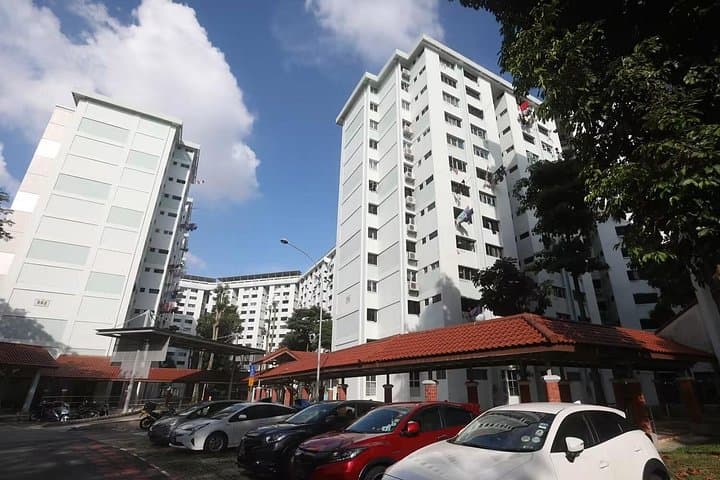
These neighborhoods chart Singapore’s modern history: kampongs gave way to Housing & Development Board estates in the 1960s and 1970s, shaping daily life and civic identity. Geology plays a quiet role here—reclaimed lowlands and engineered waterways like the naturalized river in Bishan reflect decades of urban planning and flood control. Culture is visible in void decks where elders play chess, in wet markets fragrant with kaffir lime and dried shrimp, and in hawker centres where recipes cross generations.
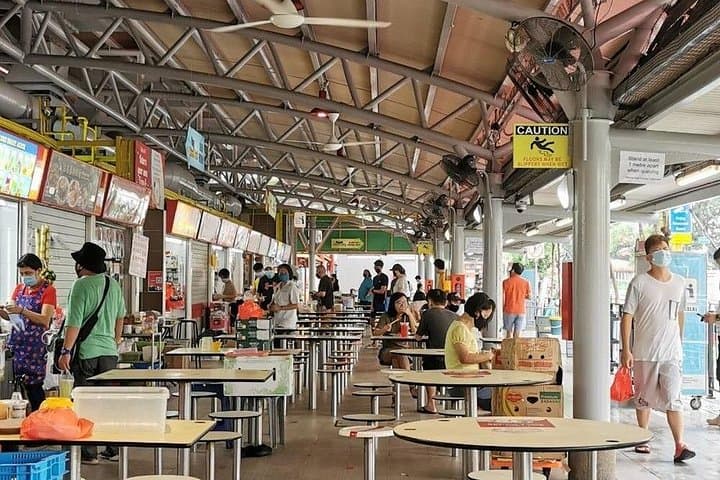
Visitors should expect flat, walkable streets, frequent shade, and easy access to public transport. The pace is gentle—stop at a kopitiam for kopi and kaya toast, watch monitor lizards slip into park ponds, and ask hawkers about family recipes. Timing matters: mornings and early evenings are cooler and less crowded; midday brings humidity and heavier traffic in markets.
Practical notes: carry a refillable water bottle, wear breathable walking shoes, and bring a compact umbrella for sudden downpours. Respect residential spaces—avoid loud groups in void decks—and try small tastings rather than large meals to sample more hawker dishes. This is urban exploration that rewards curiosity: the stories are in the streets, the parks, and the people who still call these heartlands home.
easy.
3–3.5 hours.
Suitable for most fitness levels; requires continuous walking on flat, paved surfaces and easy park trails.
Yes—routes are primarily on paved streets and park paths; transport and many stops are wheelchair- and stroller-friendly, though check ahead for specific mobility needs.
The itinerary includes curated tasting portions at hawker stalls and kopitiams; inform the guide of allergies or dietary restrictions before the tour.
Guides typically speak English and may offer insights in other common local languages; confirm language needs when booking.
The tour uses public transport for short hops; arrive by MRT or bus to the meeting point—most travelers return by the same options.
These towns trace their rise from kampongs to planned HDB estates; Toa Payoh was among Singapore’s earliest large-scale public housing projects.
Bishan-Ang Mo Kio Park’s river restoration is a flagship urban ecology project; visitors are encouraged to stick to paths and avoid feeding wildlife.
Grab Experiences operates guided outdoor trips and adventures with an emphasis on safety, stewardship, and memorable experiences.

A morning in Singapore’s heartlands opens with the clack of MRT doors and the bright teeth of the Dragon Playground, where concrete curves grin at visitors and children test their balance. The walk moves through Toa Payoh’s low-rise streets and kopitiams, slips into the green hum of Bishan-Ang Mo Kio Park and finishes among the zig-zag HDB blocks and hawker stalls of Ang Mo Kio.
A morning in Singapore’s heartlands opens with the clack of MRT doors and the bright teeth of the Dragon Playground, where concrete curves grin at visitors and children test their balance. The walk moves through Toa Payoh’s low-rise streets and kopitiams, slips into the green hum of Bishan-Ang Mo Kio Park and finishes among the zig-zag HDB blocks and hawker stalls of Ang Mo Kio.
These neighborhoods chart Singapore’s modern history: kampongs gave way to Housing & Development Board estates in the 1960s and 1970s, shaping daily life and civic identity. Geology plays a quiet role here—reclaimed lowlands and engineered waterways like the naturalized river in Bishan reflect decades of urban planning and flood control. Culture is visible in void decks where elders play chess, in wet markets fragrant with kaffir lime and dried shrimp, and in hawker centres where recipes cross generations.
Visitors should expect flat, walkable streets, frequent shade, and easy access to public transport. The pace is gentle—stop at a kopitiam for kopi and kaya toast, watch monitor lizards slip into park ponds, and ask hawkers about family recipes. Timing matters: mornings and early evenings are cooler and less crowded; midday brings humidity and heavier traffic in markets.
Practical notes: carry a refillable water bottle, wear breathable walking shoes, and bring a compact umbrella for sudden downpours. Respect residential spaces—avoid loud groups in void decks—and try small tastings rather than large meals to sample more hawker dishes. This is urban exploration that rewards curiosity: the stories are in the streets, the parks, and the people who still call these heartlands home.