THE ADVENTURE COLLECTIVE® · Independent discovery and booking for outdoor travel

Trace the 1967 world-first heart transplant in restored operating rooms, then swap scalpels for sommelier notes in the Constantia Valley. This private Cape Town day pairs medical history with cellar tours, tastings and a vineyard lunch.
Trace the 1967 world-first heart transplant in restored operating rooms, then swap scalpels for sommelier notes in the Constantia Valley. This private Cape Town day pairs medical history with cellar tours, tastings and a vineyard lunch.
A fine Cape Town morning begins in the hush of a restored operating theatre: bright steel, clipped instruction cards and the quiet hum of a story that altered modern medicine. Walking through the Heart Transplant Museum, you feel the tension of December 1967 replay—surgeons, a donor’s quiet courage and a patient given unexpected time—framed by lifelike models and recreated scenes.
Verified experiences and guided adventures in the surrounding area.
Operated by african macaw dmc and Safaris · Cape Town, Western Cape
A fine Cape Town morning begins in the hush of a restored operating theatre: bright steel, clipped instruction cards and the quiet hum of a story that altered modern medicine. Walking through the Heart Transplant Museum, you feel the tension of December 1967 replay—surgeons, a donor’s quiet courage and a patient given unexpected time—framed by lifelike models and recreated scenes.
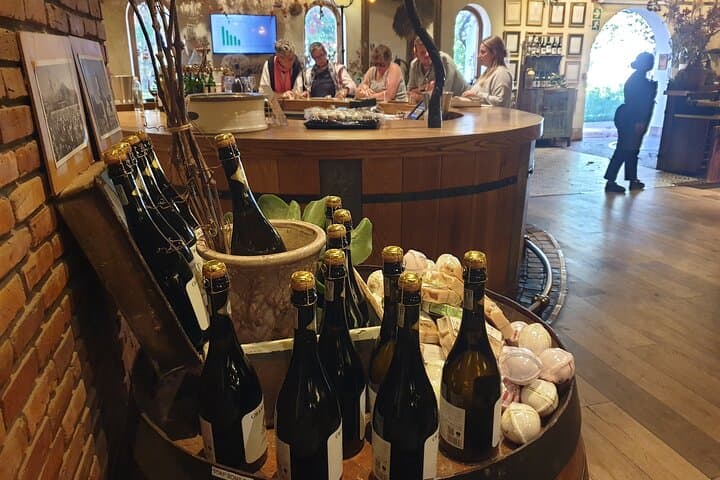
The tour threads from Groote Schuur’s clinical corridors out into the Constantia Valley, where rolling vineyards lie on soils shaped by the Cape Fold mountains and ocean-driven microclimates. Groot Constantia’s Cape Dutch homestead anchors a winemaking lineage that reaches back to the 17th century; cellars and oak barrels punctuate conversations about technique, grape varietals and apartheid-era social shifts that shaped Cape Town’s communities.
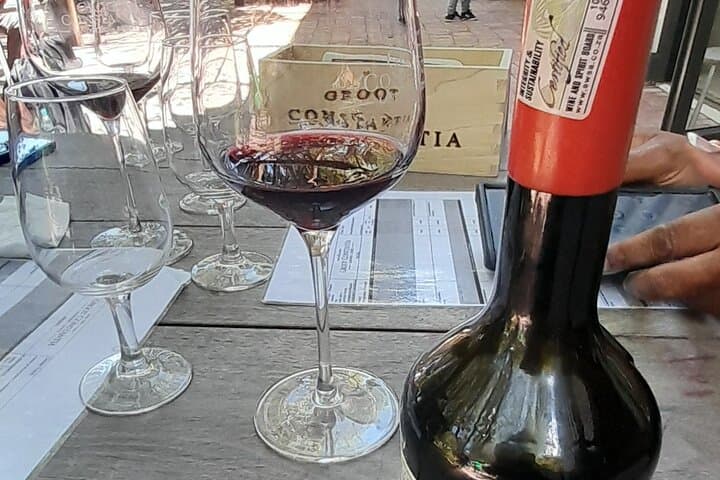
Expect a balanced day: medical history and an expert cardiologist’s explanation of heart physiology in the museum; later, cellar tastings, guided commentary on terroir, and a riverside lunch at Simon’s Restaurant overlooking vines.
Practicalities are straightforward. The private, air-conditioned day runs about nine hours with accessible transport and sites; wheelchair and stroller access are noted. Bring layers for coastal wind, a notebook or camera for historic displays, and moderate footwear for walking between exhibits and vineyard terraces. Bookings usually include entrance fees and tastings—confirm pickup points and dietary needs ahead of time. The itinerary suits travelers who want a grounded, revealing Cape Town day that pairs landmark medical history with the measured pleasure of South African wine.
easy.
9 hours.
Suitable for most fitness levels; involves short walks and standing during exhibits and tastings
The private tour runs approximately nine hours and usually includes hotel pickup and drop-off in Cape Town.
Yes—entrance to the museum and premium or classic wine tastings at Groot Constantia are included in the tour price.
Most sites and the transport are wheelchair accessible; confirm any specific mobility needs at booking to ensure full accessibility.
Children are welcome but wine tastings will be for adults; infant seats and stroller access are available—notify the operator when booking.
Groote Schuur Hospital gained global attention in December 1967 when Dr. Christiaan Barnard performed the world’s first successful human heart transplant; Groot Constantia traces winemaking at the Cape back to the 1680s.
Vineyards in Constantia manage water carefully due to seasonal drought; visitors are encouraged to follow waste rules at estates and respect historic buildings to limit wear.
african macaw dmc and Safaris operates guided outdoor trips and adventures with an emphasis on safety, stewardship, and memorable experiences.
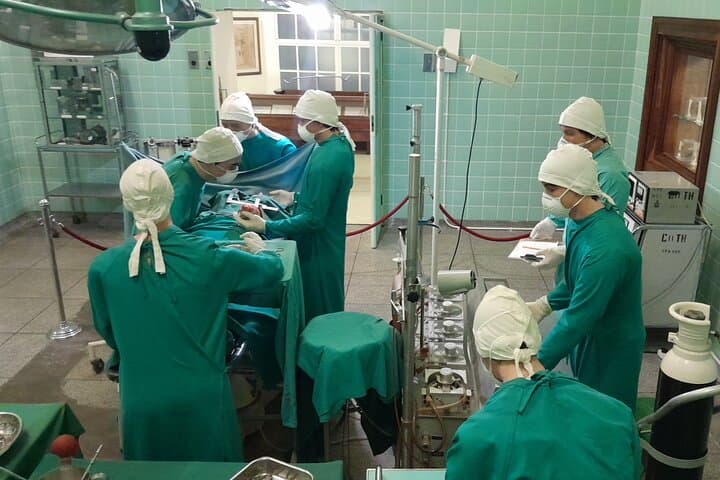
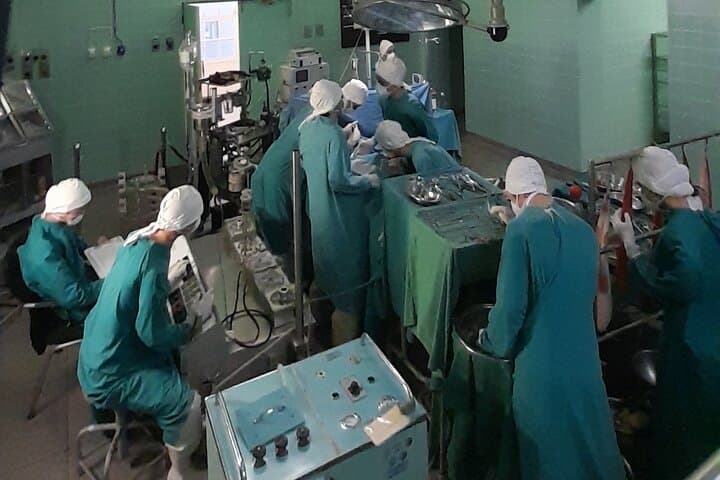
A fine Cape Town morning begins in the hush of a restored operating theatre: bright steel, clipped instruction cards and the quiet hum of a story that altered modern medicine. Walking through the Heart Transplant Museum, you feel the tension of December 1967 replay—surgeons, a donor’s quiet courage and a patient given unexpected time—framed by lifelike models and recreated scenes.
A fine Cape Town morning begins in the hush of a restored operating theatre: bright steel, clipped instruction cards and the quiet hum of a story that altered modern medicine. Walking through the Heart Transplant Museum, you feel the tension of December 1967 replay—surgeons, a donor’s quiet courage and a patient given unexpected time—framed by lifelike models and recreated scenes.
The tour threads from Groote Schuur’s clinical corridors out into the Constantia Valley, where rolling vineyards lie on soils shaped by the Cape Fold mountains and ocean-driven microclimates. Groot Constantia’s Cape Dutch homestead anchors a winemaking lineage that reaches back to the 17th century; cellars and oak barrels punctuate conversations about technique, grape varietals and apartheid-era social shifts that shaped Cape Town’s communities.
Expect a balanced day: medical history and an expert cardiologist’s explanation of heart physiology in the museum; later, cellar tastings, guided commentary on terroir, and a riverside lunch at Simon’s Restaurant overlooking vines.
Practicalities are straightforward. The private, air-conditioned day runs about nine hours with accessible transport and sites; wheelchair and stroller access are noted. Bring layers for coastal wind, a notebook or camera for historic displays, and moderate footwear for walking between exhibits and vineyard terraces. Bookings usually include entrance fees and tastings—confirm pickup points and dietary needs ahead of time. The itinerary suits travelers who want a grounded, revealing Cape Town day that pairs landmark medical history with the measured pleasure of South African wine.