THE ADVENTURE COLLECTIVE® · Independent discovery and booking for outdoor travel

Walk the compact historical heart of Madinah—from the Seven Mosques at Jabal Sala’ to the revitalized Al‑Hayy quarter. This accessible four-hour cultural tour blends battlefield memory, early Islamic sites, and modern cafés into a single, walkable experience.
Walk the compact historical heart of Madinah—from the Seven Mosques at Jabal Sala’ to the revitalized Al‑Hayy quarter. This accessible four-hour cultural tour blends battlefield memory, early Islamic sites, and modern cafés into a single, walkable experience.
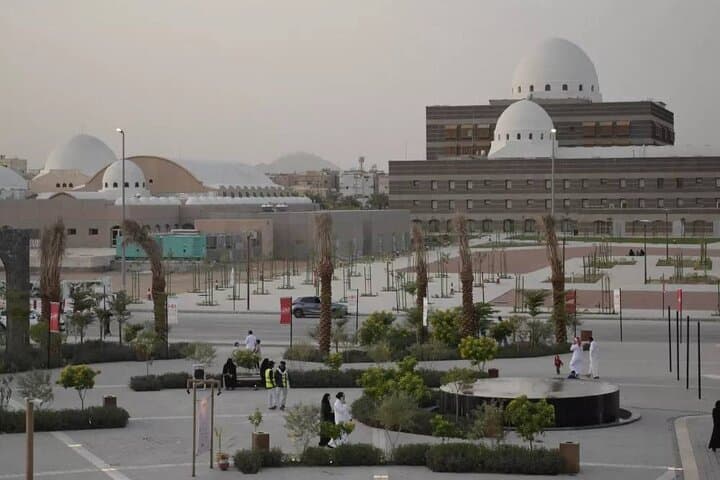
You step from the shaded lane into a compact cluster of low domes and courtyards where stone and prayer meet the desert wind.
Verified experiences and guided adventures in the surrounding area.
Operated by Seyaha · Medina, Al Madinah Province
You step from the shaded lane into a compact cluster of low domes and courtyards where stone and prayer meet the desert wind.
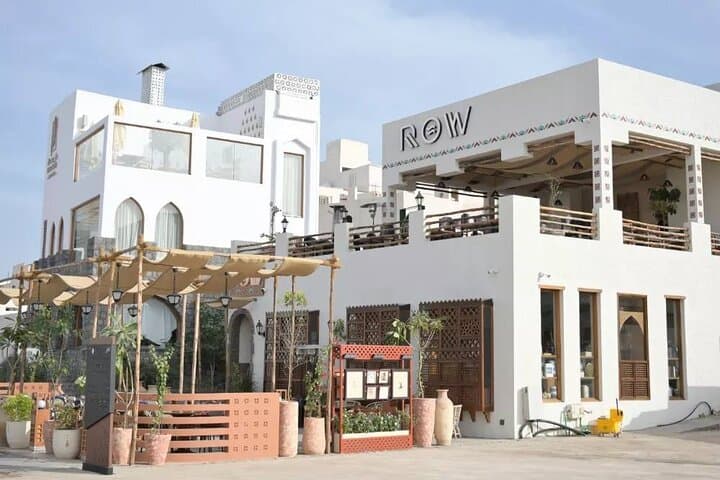
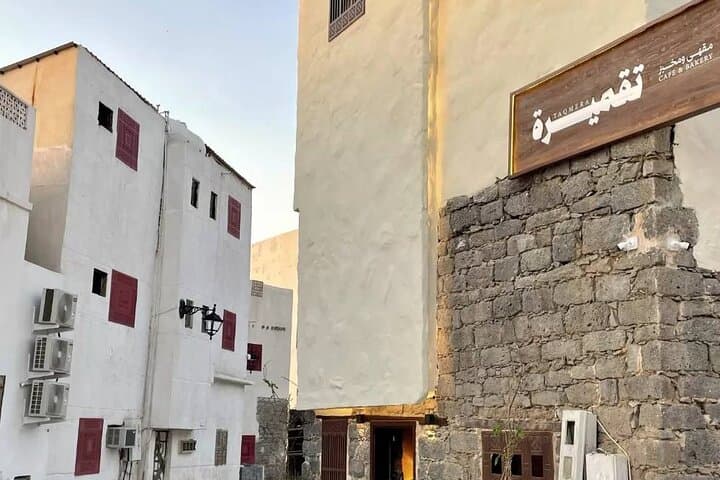
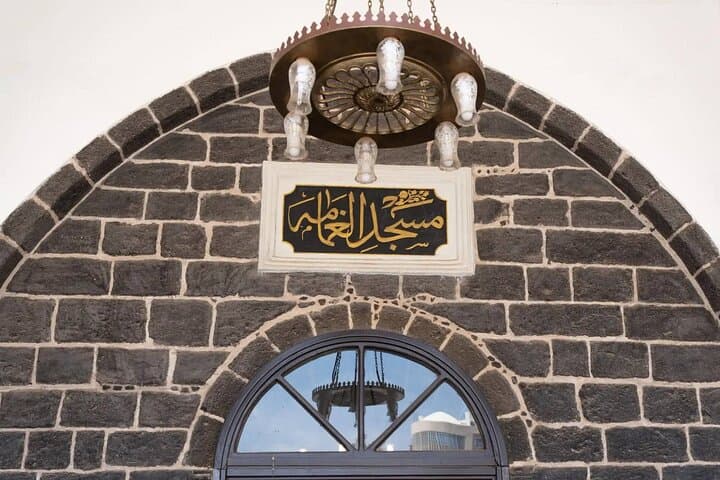
This half-day walking loop moves through the Seven Mosques at the foot of Jabal Sala’—the terrain still remembers the Battle of the Trench—before threading past small, timeworn prayer houses like Abu Bakr Al‑Siddiq and Ghamama. Each building is modest in scale but heavy with layers of memory: Ottoman-era arches, simple mihrabs, and wells that once supplied thirsty travelers. The route closes at Al‑Hayy, a refreshed quarter of century‑old houses turned cafés and restaurants, where modern life folds into historical streets.
Geology here is plain—sandstone and alluvium shaped by wind—yet human history gives the surfaces their meaning. Local culture emphasizes respectful observation: modest dress, quiet voices near prayer, and awareness of times for worship. Guides typically point out the Suqya well and Banu Uneif’s architecture while explaining why the complex came to be called the Mosques of the Victory.
Practical side: the tour covers short walking stretches on paved and uneven stone, lasting about four hours with multiple short stops. Wear closed-toe shoes, bring sun protection and water, and plan around prayer times to avoid crowds near the Prophet’s Mosque. Photography is allowed in public spaces but follow local rules inside or near active prayer areas. The rhythm of the tour is steady—history that rewards a patient pace and respectful curiosity.
easy.
4 hours.
Suitable for most fitness levels; requires short, repeated walks and standing at sites.
The tour runs about four hours with multiple short stops at each mosque and time at Al‑Hayy for refreshments.
Yes—routes are short and labeled as physically easy; however, those with mobility concerns should confirm accessibility for specific stops.
A local guide is included, offering historical context and navigation between sites; transportation in an air-conditioned vehicle is provided where needed.
Photography is generally allowed in public areas, but refrain from photographing people during prayer without permission and follow any on-site restrictions.
Many of these mosques are associated with the Battle of the Trench and early Islamic practices; some structures reflect later Ottoman-era repairs and local rebuilding.
Visitors are asked to respect sacred spaces, avoid climbing on historic fabric, and minimize waste; supporting local cafés at Al‑Hayy helps fund heritage-sensitive revitalization.
Seyaha operates guided outdoor trips and adventures with an emphasis on safety, stewardship, and memorable experiences.
You step from the shaded lane into a compact cluster of low domes and courtyards where stone and prayer meet the desert wind.
You step from the shaded lane into a compact cluster of low domes and courtyards where stone and prayer meet the desert wind.
This half-day walking loop moves through the Seven Mosques at the foot of Jabal Sala’—the terrain still remembers the Battle of the Trench—before threading past small, timeworn prayer houses like Abu Bakr Al‑Siddiq and Ghamama. Each building is modest in scale but heavy with layers of memory: Ottoman-era arches, simple mihrabs, and wells that once supplied thirsty travelers. The route closes at Al‑Hayy, a refreshed quarter of century‑old houses turned cafés and restaurants, where modern life folds into historical streets.
Geology here is plain—sandstone and alluvium shaped by wind—yet human history gives the surfaces their meaning. Local culture emphasizes respectful observation: modest dress, quiet voices near prayer, and awareness of times for worship. Guides typically point out the Suqya well and Banu Uneif’s architecture while explaining why the complex came to be called the Mosques of the Victory.
Practical side: the tour covers short walking stretches on paved and uneven stone, lasting about four hours with multiple short stops. Wear closed-toe shoes, bring sun protection and water, and plan around prayer times to avoid crowds near the Prophet’s Mosque. Photography is allowed in public spaces but follow local rules inside or near active prayer areas. The rhythm of the tour is steady—history that rewards a patient pace and respectful curiosity.