THE ADVENTURE COLLECTIVE® · Independent discovery and booking for outdoor travel

Taste three distinct Hawaiian coffees and learn the farm-to-cup process in a focused, hour-long workshop on Oahu. Ideal for curious travelers and coffee fans who want practical brewing skills and local context.
Taste three distinct Hawaiian coffees and learn the farm-to-cup process in a focused, hour-long workshop on Oahu. Ideal for curious travelers and coffee fans who want practical brewing skills and local context.
You step into a sunlit cafe on Oahu and the air immediately changes: warm roast, bright citrus notes, and a hum of conversation. Baristas guide a small group through three distinct brews, pouring cups that reveal origin, roast level, and processing choices as clearly as a map laid on the table.
Verified experiences and guided adventures in the surrounding area.
Operated by Tradition Coffee · Honolulu, Hawaii
You step into a sunlit cafe on Oahu and the air immediately changes: warm roast, bright citrus notes, and a hum of conversation. Baristas guide a small group through three distinct brews, pouring cups that reveal origin, roast level, and processing choices as clearly as a map laid on the table.
Coffee arrived in Hawaii in the early 19th century and grew where soil, slope, and rainfall allowed—most famously on the Big Island. Oahu never became Kona, but the island developed its own café culture and small-batch roasters who highlight micro-lots and local techniques. Geologically, volcanic soils and onshore trade winds shape flavor by influencing plant stress and bean density; culturally, coffee here sits between plantation history and modern specialty scenes.
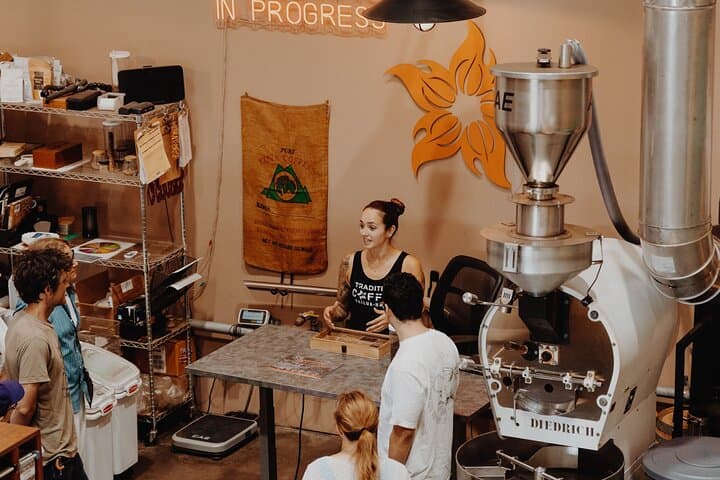
Expect a concise, hands-on hour: growers’ terms turned into tasting notes, a quick look at green beans before roast, and practical brewing pointers you can use at home. The experience is accessible—wheelchair-friendly and family-friendly—with a small-group format that encourages questions.
Practical guidance: arrive 10 minutes early, take notes on acidity, body, and finish, and ask about roast profiles if you plan to buy beans—tours often include a same-day discount. Wear comfortable shoes for standing demos, bring a reusable bag for purchases, and plan for about 60 minutes. Whether you’re a habitual espresso drinker or a curious traveler, this is a compact, sensory primer on how Hawaiian coffees move from tree to cup.
easy.
1 hour.
No special fitness required; participants should be able to stand for short demonstrations.
Yes—venue areas and surfaces are wheelchair-accessible; staff can assist with seating and accommodations.
Yes—participants usually receive a same-day discount (e.g., 10% off) on beans and merchandise.
Yes—families are welcome; infants typically sit on laps but check specific policies when booking.
Tea or decaf options are sometimes offered as part of inclusions; contact the provider ahead of time for specific requests.
Coffee was introduced to Hawaii in the 1800s; while Kona became the flagship region, Oahu developed specialty roasting and cafe culture tied to local growers and importers.
Many Hawaiian roasters emphasize sustainable and shade-grown practices to protect watersheds and support small-farm biodiversity; consider buying beans with clear origin and stewardship practices.
Tradition Coffee operates guided outdoor trips and adventures with an emphasis on safety, stewardship, and memorable experiences.
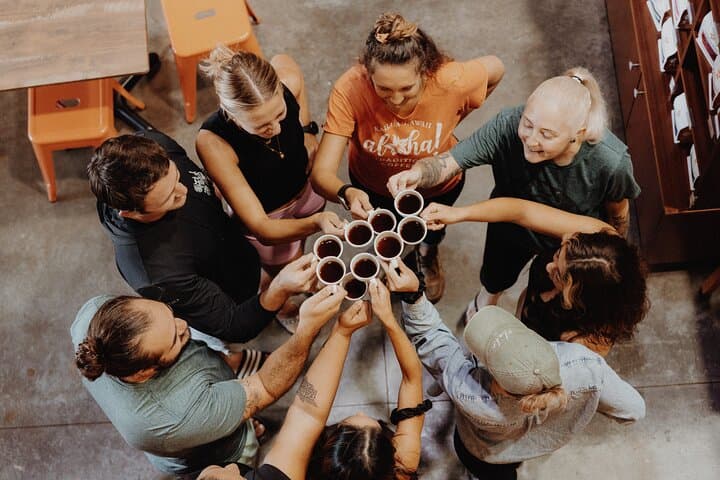
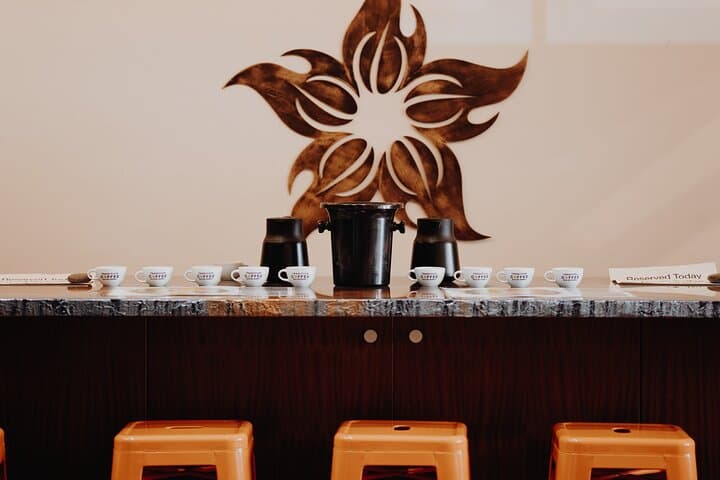
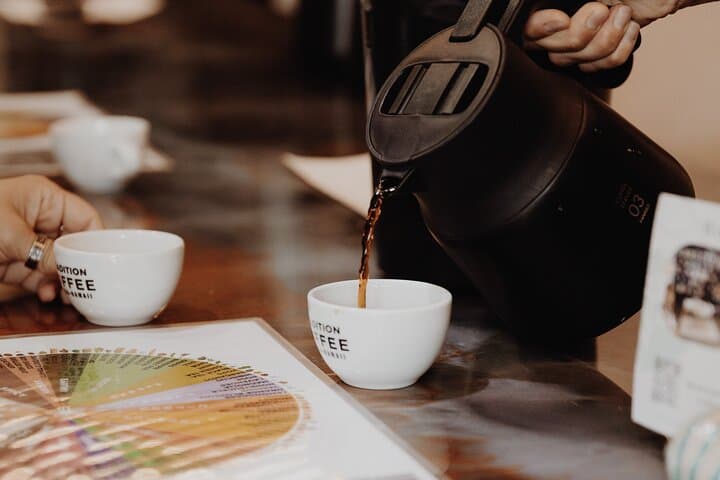
You step into a sunlit cafe on Oahu and the air immediately changes: warm roast, bright citrus notes, and a hum of conversation. Baristas guide a small group through three distinct brews, pouring cups that reveal origin, roast level, and processing choices as clearly as a map laid on the table.
You step into a sunlit cafe on Oahu and the air immediately changes: warm roast, bright citrus notes, and a hum of conversation. Baristas guide a small group through three distinct brews, pouring cups that reveal origin, roast level, and processing choices as clearly as a map laid on the table.
Coffee arrived in Hawaii in the early 19th century and grew where soil, slope, and rainfall allowed—most famously on the Big Island. Oahu never became Kona, but the island developed its own café culture and small-batch roasters who highlight micro-lots and local techniques. Geologically, volcanic soils and onshore trade winds shape flavor by influencing plant stress and bean density; culturally, coffee here sits between plantation history and modern specialty scenes.
Expect a concise, hands-on hour: growers’ terms turned into tasting notes, a quick look at green beans before roast, and practical brewing pointers you can use at home. The experience is accessible—wheelchair-friendly and family-friendly—with a small-group format that encourages questions.
Practical guidance: arrive 10 minutes early, take notes on acidity, body, and finish, and ask about roast profiles if you plan to buy beans—tours often include a same-day discount. Wear comfortable shoes for standing demos, bring a reusable bag for purchases, and plan for about 60 minutes. Whether you’re a habitual espresso drinker or a curious traveler, this is a compact, sensory primer on how Hawaiian coffees move from tree to cup.