THE ADVENTURE COLLECTIVE® · Independent discovery and booking for outdoor travel

Walk Milwaukee’s Westown with a downloadable audio guide that moves from the Milwaukee Public Museum to Straz Tower, stopping at 11 haunted and historic sites. This self-guided tour combines campus lore, architectural highlights, and true-crime history in a one-hour urban stroll.
Walk Milwaukee’s Westown with a downloadable audio guide that moves from the Milwaukee Public Museum to Straz Tower, stopping at 11 haunted and historic sites. This self-guided tour combines campus lore, architectural highlights, and true-crime history in a one-hour urban stroll.
You stand on the wide steps outside the Milwaukee Public Museum as late afternoon graduates the city into cool shadow; the audio cue clicks on and a voice guides you toward Marquette’s brick edges and Wisconsin Avenue’s glancing storefronts. The route moves like a patient investigator — past academic stone, a beer baron’s mansion, and music halls that still hum with memory. Each stop teases a story: a professor who never left his lecture hall, a lion cub once kept on a library roof, and the darker traces of crimes that shaped city headlines.
Verified experiences and guided adventures in the surrounding area.
Operated by VoiceMap Audio Tours · Milwaukee, Wisconsin
You stand on the wide steps outside the Milwaukee Public Museum as late afternoon graduates the city into cool shadow; the audio cue clicks on and a voice guides you toward Marquette’s brick edges and Wisconsin Avenue’s glancing storefronts. The route moves like a patient investigator — past academic stone, a beer baron’s mansion, and music halls that still hum with memory. Each stop teases a story: a professor who never left his lecture hall, a lion cub once kept on a library roof, and the darker traces of crimes that shaped city headlines.
Westown’s streets are layered history: 19th-century brewing fortunes, turn-of-the-century ecclesiastical architecture by Henry Koch, and Marquette University’s evolution from parish college to major research campus. Geology here is urban — glacial plain under a grid of streets — but the built landscape tells the real story: mansions, collegiate halls, and theaters that map Milwaukee’s social shifts.
Culturally, the tour threads student lore, immigrant narratives, and entertainment venues like the Rave/Eagles Club into one walkable corridor. The audio format lets you pause, linger, or skip, and it includes sensitive content warnings for mentions of murder and accidental death.
Practical guidance: download the VoiceMap app and redeem your code before you arrive; bring headphones and a charged phone. Wear sturdy shoes for pavement and watch traffic on Wisconsin Ave. Aim for daylight or early evening for atmosphere with clearer navigation; the route is family-friendly but consider content before bringing young children. Expect 60–90 minutes and comfortable walking at an urban pace.
easy.
1–1.5 hours.
Light — suitable for anyone comfortable with an hour of city walking and short stair sections
No — the audio is self-guided and can be started when you arrive at the Milwaukee Public Museum; download the tour ahead for the best experience.
The walk itself is family-friendly, but the narration contains descriptions of murders and accidental deaths that may be upsetting to young or sensitive listeners.
Yes — the tour code provided can be redeemed on multiple devices so every member of your group can listen independently.
Much of the route is on paved sidewalks and crossings, but there are stairs at some campus buildings; check the VoiceMap route map and skip stops if needed.
Westown grew with Milwaukee’s brewing and industrial boom; many grand homes and churches reflect 19th- and early-20th-century prosperity and immigrant communities.
Stay on sidewalks and public paths, avoid touching historic facades, and respect private property; urban tours have a low footprint, but mindful behavior preserves fragile historic sites.
VoiceMap Audio Tours operates guided outdoor trips and adventures with an emphasis on safety, stewardship, and memorable experiences.
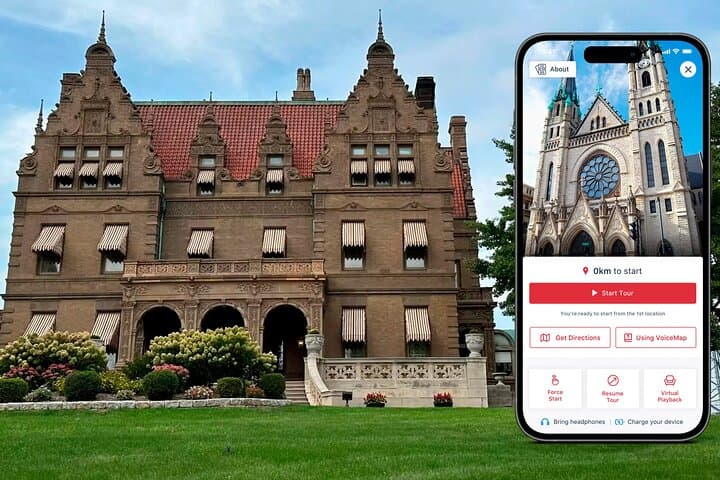
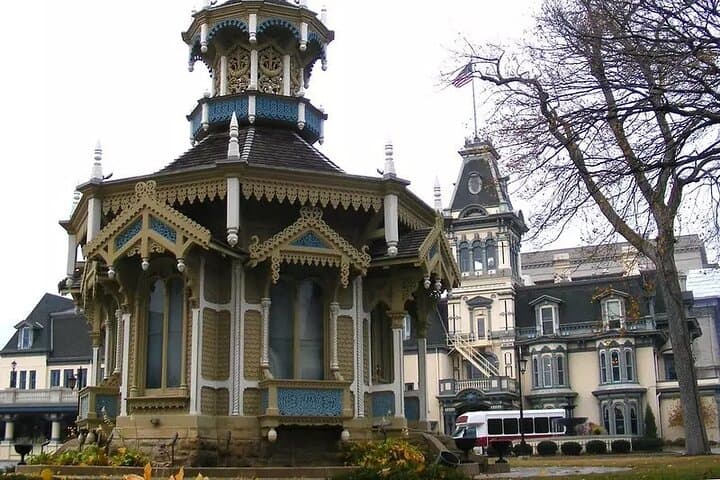
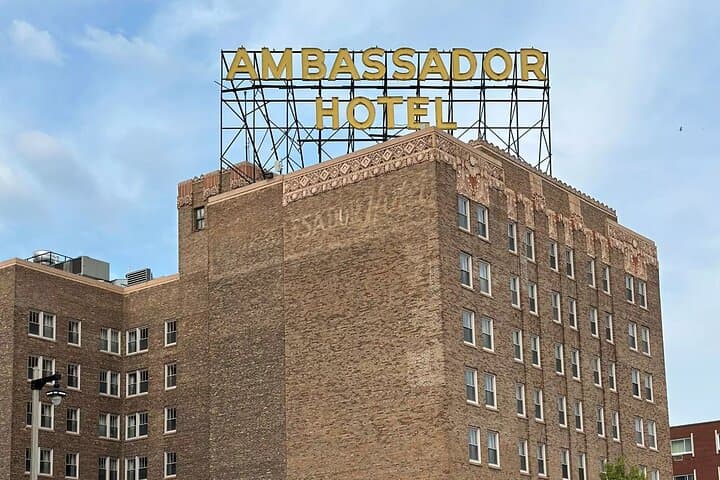
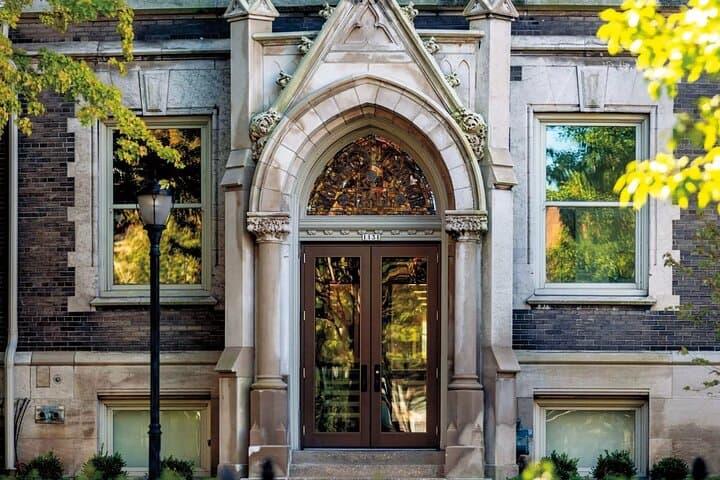
You stand on the wide steps outside the Milwaukee Public Museum as late afternoon graduates the city into cool shadow; the audio cue clicks on and a voice guides you toward Marquette’s brick edges and Wisconsin Avenue’s glancing storefronts. The route moves like a patient investigator — past academic stone, a beer baron’s mansion, and music halls that still hum with memory. Each stop teases a story: a professor who never left his lecture hall, a lion cub once kept on a library roof, and the darker traces of crimes that shaped city headlines.
You stand on the wide steps outside the Milwaukee Public Museum as late afternoon graduates the city into cool shadow; the audio cue clicks on and a voice guides you toward Marquette’s brick edges and Wisconsin Avenue’s glancing storefronts. The route moves like a patient investigator — past academic stone, a beer baron’s mansion, and music halls that still hum with memory. Each stop teases a story: a professor who never left his lecture hall, a lion cub once kept on a library roof, and the darker traces of crimes that shaped city headlines.
Westown’s streets are layered history: 19th-century brewing fortunes, turn-of-the-century ecclesiastical architecture by Henry Koch, and Marquette University’s evolution from parish college to major research campus. Geology here is urban — glacial plain under a grid of streets — but the built landscape tells the real story: mansions, collegiate halls, and theaters that map Milwaukee’s social shifts.
Culturally, the tour threads student lore, immigrant narratives, and entertainment venues like the Rave/Eagles Club into one walkable corridor. The audio format lets you pause, linger, or skip, and it includes sensitive content warnings for mentions of murder and accidental death.
Practical guidance: download the VoiceMap app and redeem your code before you arrive; bring headphones and a charged phone. Wear sturdy shoes for pavement and watch traffic on Wisconsin Ave. Aim for daylight or early evening for atmosphere with clearer navigation; the route is family-friendly but consider content before bringing young children. Expect 60–90 minutes and comfortable walking at an urban pace.