THE ADVENTURE COLLECTIVE® · Independent discovery and booking for outdoor travel

Walk abandoned lime-quarry trails above the Doon Valley with a local host who combines hard geology and darker folklore. This two-hour guided route reveals Mussoorie’s mining past, raw cliffs, and wide valley views—practical, atmospheric, and moderately demanding.
Walk abandoned lime-quarry trails above the Doon Valley with a local host who combines hard geology and darker folklore. This two-hour guided route reveals Mussoorie’s mining past, raw cliffs, and wide valley views—practical, atmospheric, and moderately demanding.
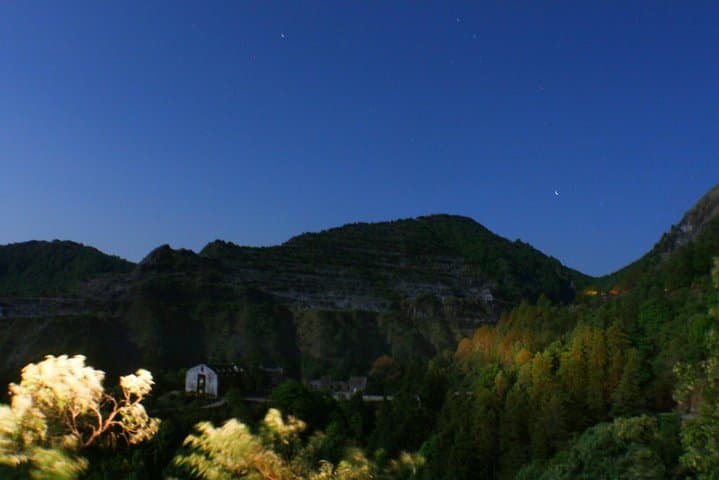
A low stone path narrows under a bamboo stand; the wind through dry grass seems to whisper history. On the Haunted Walk to Lambi Dehar you move from Mussoorie’s tourist lanes into a raw, lime-streaked landscape where abandoned quarries cut the skyline and the Doon Valley drops away like a painted map.
Verified experiences and guided adventures in the surrounding area.
Operated by Mussoorie Outdoors · Mussoorie, Uttarakhand
A low stone path narrows under a bamboo stand; the wind through dry grass seems to whisper history. On the Haunted Walk to Lambi Dehar you move from Mussoorie’s tourist lanes into a raw, lime-streaked landscape where abandoned quarries cut the skyline and the Doon Valley drops away like a painted map.
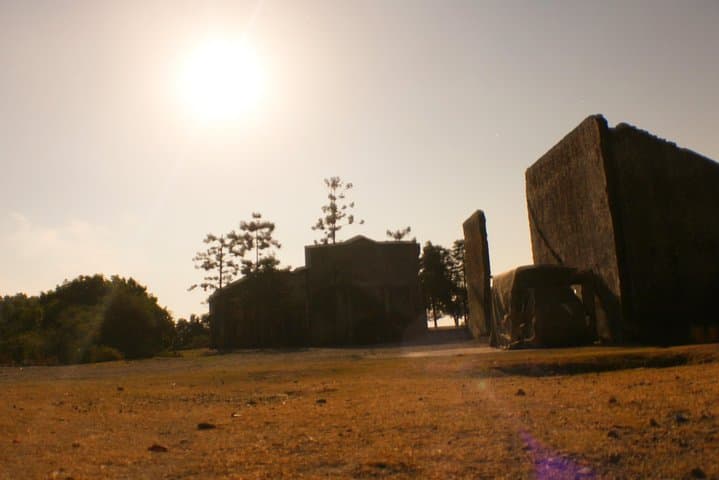
The route follows old limestone-mining tracks once worked by the United Provinces Mineral Development Company in the 19th century. Geological scars—cliffs of pale shale and lime—tell the practical story: mineral extraction, haul roads, and collapsed kilns. Local guides stitch in cultural memory: British-era stories of romance and labor, and the darker folklore that earned the site the nickname “Mines of Death.”
Expect two hours of walking over gravel trails with short uphill pitches and occasional loose scree; much of the route is exposed and offers wide views across Dehradun. The host provides local history, points out quarry features, and keeps the pace steady for mixed fitness levels.
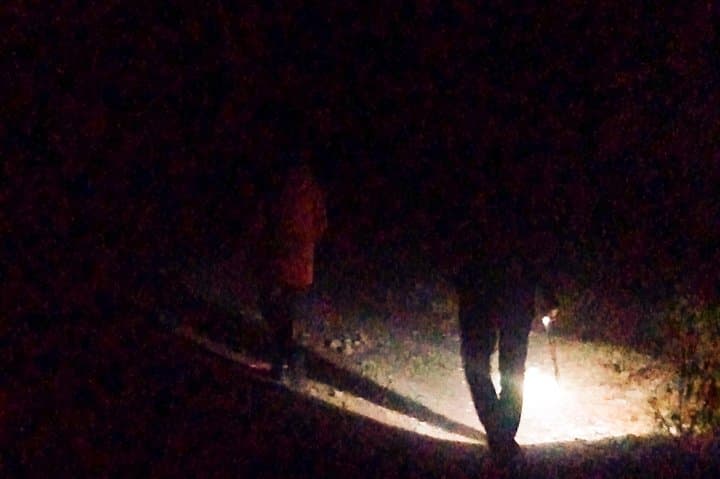
Practical guidance: wear good hiking shoes, long sleeves and pants to guard against scrabbly grasses and insects, and bring a headlamp if you plan a dusk or night walk. Water is provided but carry extras during summer. The site is fragile—stay on the trail, avoid cliff edges, and follow your host’s directions. This is an accessible, atmospheric short hike for curious travelers who want geology, history, and a touch of local legend without technical climbing.
moderate.
2 hours.
Moderate fitness; comfortable walking on uneven ground and short uphill sections
The guided loop takes about two hours over gravel tracks with a few short uphill pitches and loose scree; it’s a non-technical walk but uneven underfoot.
Guides run the experience with safety in mind, but bring a headlamp and wear good footwear—avoid cliff edges and follow the host’s instructions.
Not recommended for travelers with serious back, heart conditions, or for pregnant visitors; a moderate fitness level is expected.
The tour focuses on local stories, history, and the mining landscape; reported paranormal experiences are part of folklore shared by the host.
Lambi Dehar was part of 19th–20th century limestone extraction operated regionally; the abandoned quarries and kilns are physical remnants of that industry.
The quarry cliffs are geologically sensitive; stick to paths to prevent erosion, and pack out all trash to protect vegetation and wildlife.
Mussoorie Outdoors operates guided outdoor trips and adventures with an emphasis on safety, stewardship, and memorable experiences.

A low stone path narrows under a bamboo stand; the wind through dry grass seems to whisper history. On the Haunted Walk to Lambi Dehar you move from Mussoorie’s tourist lanes into a raw, lime-streaked landscape where abandoned quarries cut the skyline and the Doon Valley drops away like a painted map.
A low stone path narrows under a bamboo stand; the wind through dry grass seems to whisper history. On the Haunted Walk to Lambi Dehar you move from Mussoorie’s tourist lanes into a raw, lime-streaked landscape where abandoned quarries cut the skyline and the Doon Valley drops away like a painted map.
The route follows old limestone-mining tracks once worked by the United Provinces Mineral Development Company in the 19th century. Geological scars—cliffs of pale shale and lime—tell the practical story: mineral extraction, haul roads, and collapsed kilns. Local guides stitch in cultural memory: British-era stories of romance and labor, and the darker folklore that earned the site the nickname “Mines of Death.”
Expect two hours of walking over gravel trails with short uphill pitches and occasional loose scree; much of the route is exposed and offers wide views across Dehradun. The host provides local history, points out quarry features, and keeps the pace steady for mixed fitness levels.
Practical guidance: wear good hiking shoes, long sleeves and pants to guard against scrabbly grasses and insects, and bring a headlamp if you plan a dusk or night walk. Water is provided but carry extras during summer. The site is fragile—stay on the trail, avoid cliff edges, and follow your host’s directions. This is an accessible, atmospheric short hike for curious travelers who want geology, history, and a touch of local legend without technical climbing.