THE ADVENTURE COLLECTIVE® · Independent discovery and booking for outdoor travel

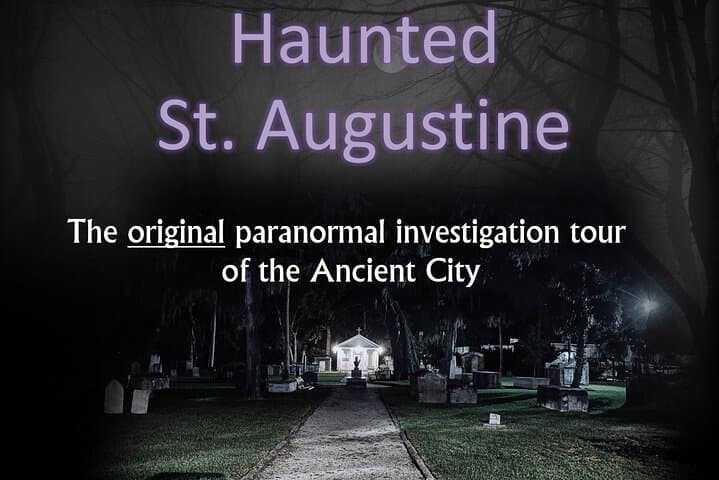
Walk the shadowed lanes of America’s oldest city and learn hands-on methods for investigating reputed hauntings. This focused, two-hour small-group experience pairs local history with forensic-minded tools and clear investigative protocol.
Walk the shadowed lanes of America’s oldest city and learn hands-on methods for investigating reputed hauntings. This focused, two-hour small-group experience pairs local history with forensic-minded tools and clear investigative protocol.
A hush falls over the old quarter as gas lamps throw long shadows across flagstone streets. You move in a small group, guided by someone who knows which doors keep their secrets and which ones simply creak. The air tastes faintly of salt and history; voices from the past feel close enough to touch.
Verified experiences and guided adventures in the surrounding area.
Operated by GhoSt Augustine · St. Augustine, Florida
A hush falls over the old quarter as gas lamps throw long shadows across flagstone streets. You move in a small group, guided by someone who knows which doors keep their secrets and which ones simply creak. The air tastes faintly of salt and history; voices from the past feel close enough to touch.
St. Augustine is the oldest continuously occupied European settlement in the continental U.S. (est. 1565), and its layered history—Spanish, British, Victorian—creates the backdrop for persistent ghost stories. The city’s architecture, built in coquina and brick, and its narrow lanes concentrate footsteps and whispers alike, lending a cadence to a night investigation. Guides relate archival events alongside local lore, linking documented tragedies and colonial-era lives to the sensations investigators report.
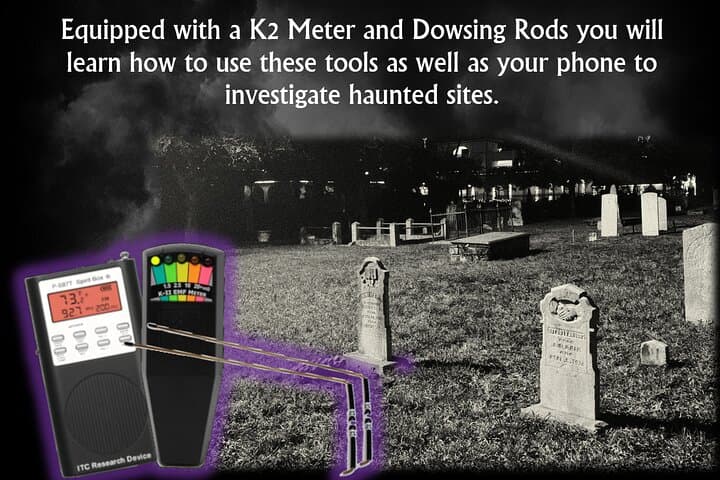
Participants learn basic investigative protocol: observe first, hypothesize second, and use simple tools to test impressions. Tours regularly introduce handheld devices—typical kit includes EMF readers and digital recorders—while instructors emphasize respect for private property and historic fabric.
Practicalities: the experience is low-impact physically but runs at night, so bring sturdy shoes and a reliable light. Expect two hours of walking and stationary investigation in small groups, often with intermittent stops inside dim corners or courtyards. Photography rules vary—ask the guide. The tour aims to educate rather than frighten, blending historical context with hands-on practice. For first-timers, keep an open mind, take photos of surroundings (not strangers), and let senses and evidence guide your curiosity.
easy.
2 hours.
Suitable for most fitness levels—requires standing and walking short distances at night.
Children can join but maturity and ability to follow instructions are important; check provider age policies before booking.
Yes—guides typically introduce and let participants handle common tools like EMF meters and recorders during the session.
The tour is primarily outdoor with occasional short, supervised stops in dim indoor spaces or courtyards depending on the route that night.
Most tours run in light rain; heavy storms may prompt rescheduling—confirm the cancellation policy when you book (24-hour full refund noted).
St. Augustine’s layered colonial history—Spanish, British, and American eras—creates many documented events that feed local ghost narratives.
Tours operate in a dense historic district; minimize impact by staying on paths, not touching architectural fabric, and supporting local preservation efforts.
GhoSt Augustine operates guided outdoor trips and adventures with an emphasis on safety, stewardship, and memorable experiences.
A hush falls over the old quarter as gas lamps throw long shadows across flagstone streets. You move in a small group, guided by someone who knows which doors keep their secrets and which ones simply creak. The air tastes faintly of salt and history; voices from the past feel close enough to touch.
A hush falls over the old quarter as gas lamps throw long shadows across flagstone streets. You move in a small group, guided by someone who knows which doors keep their secrets and which ones simply creak. The air tastes faintly of salt and history; voices from the past feel close enough to touch.
St. Augustine is the oldest continuously occupied European settlement in the continental U.S. (est. 1565), and its layered history—Spanish, British, Victorian—creates the backdrop for persistent ghost stories. The city’s architecture, built in coquina and brick, and its narrow lanes concentrate footsteps and whispers alike, lending a cadence to a night investigation. Guides relate archival events alongside local lore, linking documented tragedies and colonial-era lives to the sensations investigators report.
Participants learn basic investigative protocol: observe first, hypothesize second, and use simple tools to test impressions. Tours regularly introduce handheld devices—typical kit includes EMF readers and digital recorders—while instructors emphasize respect for private property and historic fabric.
Practicalities: the experience is low-impact physically but runs at night, so bring sturdy shoes and a reliable light. Expect two hours of walking and stationary investigation in small groups, often with intermittent stops inside dim corners or courtyards. Photography rules vary—ask the guide. The tour aims to educate rather than frighten, blending historical context with hands-on practice. For first-timers, keep an open mind, take photos of surroundings (not strangers), and let senses and evidence guide your curiosity.