THE ADVENTURE COLLECTIVE® · Independent discovery and booking for outdoor travel

Step into Rome’s darker corners on a guided, two‑hour walking tour that pairs bone‑lined crypts with fountain‑side legends. Learn the real history behind the city’s most whispered stories while negotiating cobbles, church steps, and intimate interiors.
Step into Rome’s darker corners on a guided, two‑hour walking tour that pairs bone‑lined crypts with fountain‑side legends. Learn the real history behind the city’s most whispered stories while negotiating cobbles, church steps, and intimate interiors.
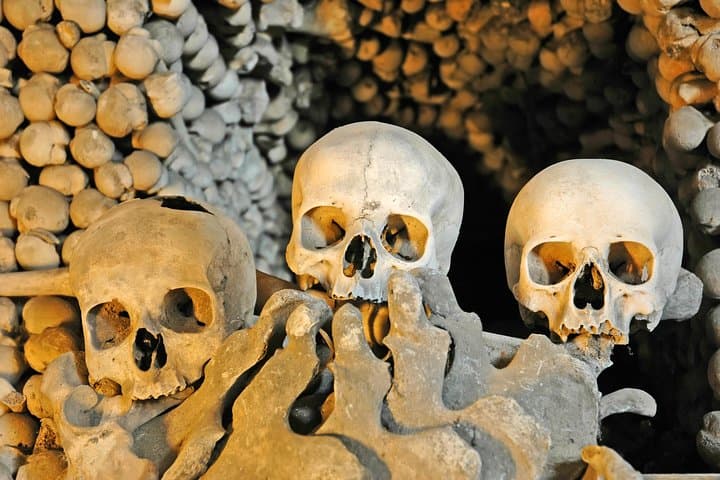
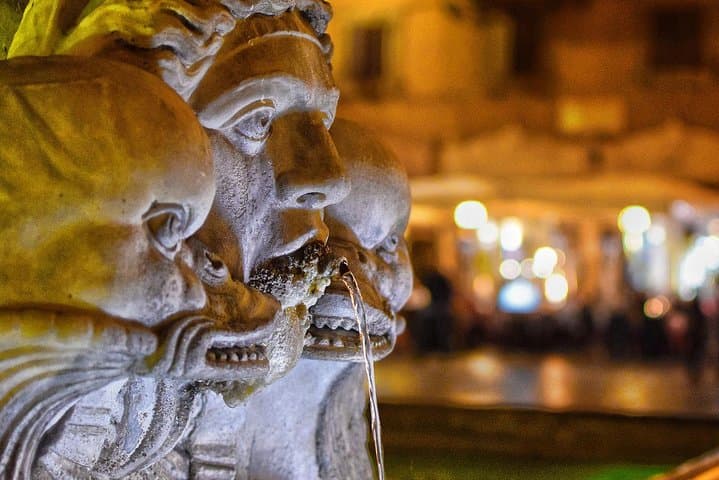
The lamplight of Rome’s backstreets throws long, patient shadows as your guide leads the group toward the low doorway of the Capuchin Crypt. Inside, rows of bone-lined chapels and carved skull motifs force a quiet that feels almost like a held breath; outside, the city’s fountains chatter and the cobbles remember every footstep.
Verified experiences and guided adventures in the surrounding area.
Operated by RomAbout Tours · Rome, Lazio
The lamplight of Rome’s backstreets throws long, patient shadows as your guide leads the group toward the low doorway of the Capuchin Crypt. Inside, rows of bone-lined chapels and carved skull motifs force a quiet that feels almost like a held breath; outside, the city’s fountains chatter and the cobbles remember every footstep.
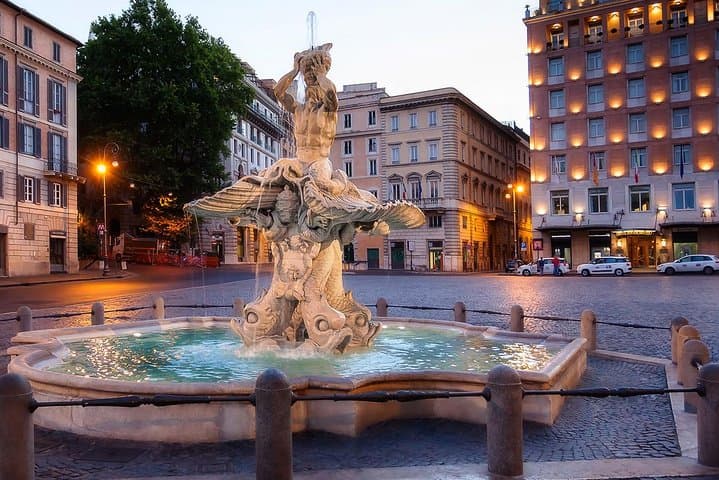
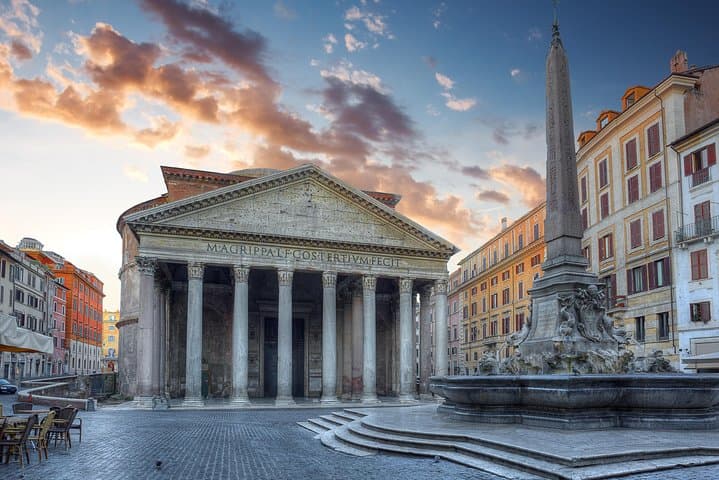
This two-hour walking tour threads together Rome’s late‑Renaissance and Baroque layers: the Capuchin Crypt’s ossuary reflects Counter‑Reformation attitudes toward death, the Trevi Fountain mixes papal patronage with folk ritual, and the Pantheon’s millennia of reuse shows Rome’s continual reinvention. Piazza Navona’s baroque palaces hide ghost stories that grew from real political violence and palace intrigue; Campo de’ Fiori’s square marks the execution of Giordano Bruno, a flashpoint in the city’s intellectual history.
Geology here is subtle but present—the travertine and tufa quarried from nearby hills form the city’s bones, and centuries of traffic have worn the marble into soft hollows. Culture and faith overlap at every church threshold; local guides translate legend into context, separating myth from documented history while keeping the thrill intact.
Practical notes: the route is mostly paved but uneven—sturdy shoes and moderate mobility are necessary. Expect close quarters in the crypt and modest steps at several stops. Morning and evening departures avoid the peak heat; bring a light layer, a water bottle, and a respectful mindset for sacred sites. Wear comfortable walking shoes and plan extra time afterward to revisit a favorite piazza with fresh eyes.
easy.
2 hours.
Basic walking fitness; comfortable standing and climbing short flights of steps.
The tour lasts about two hours and includes visits to the Capuchin Crypt plus stops at the Trevi Fountain, the Pantheon (external), Piazza Navona, Campo de’ Fiori, and a final church with stories explained by the guide.
Yes—admission to the Capuchin Crypt is included as part of the tour price.
The route is mostly paved but includes uneven surfaces and some narrow staircases; it’s not recommended for travelers with significant spinal or mobility problems.
Photography policies vary by site—many sacred interiors restrict flash and tripods; follow the guide’s directions at each stop.
The tour traces sites from Rome’s ancient reuse of the Pantheon through Baroque public works and into modern-era social history, including the execution of Giordano Bruno in Campo de’ Fiori.
Respect for fragile interiors and policies on photography helps preserve delicate artworks and human remains; small-group tourism reduces wear on historic sites.
RomAbout Tours operates guided outdoor trips and adventures with an emphasis on safety, stewardship, and memorable experiences.
The lamplight of Rome’s backstreets throws long, patient shadows as your guide leads the group toward the low doorway of the Capuchin Crypt. Inside, rows of bone-lined chapels and carved skull motifs force a quiet that feels almost like a held breath; outside, the city’s fountains chatter and the cobbles remember every footstep.
The lamplight of Rome’s backstreets throws long, patient shadows as your guide leads the group toward the low doorway of the Capuchin Crypt. Inside, rows of bone-lined chapels and carved skull motifs force a quiet that feels almost like a held breath; outside, the city’s fountains chatter and the cobbles remember every footstep.
This two-hour walking tour threads together Rome’s late‑Renaissance and Baroque layers: the Capuchin Crypt’s ossuary reflects Counter‑Reformation attitudes toward death, the Trevi Fountain mixes papal patronage with folk ritual, and the Pantheon’s millennia of reuse shows Rome’s continual reinvention. Piazza Navona’s baroque palaces hide ghost stories that grew from real political violence and palace intrigue; Campo de’ Fiori’s square marks the execution of Giordano Bruno, a flashpoint in the city’s intellectual history.
Geology here is subtle but present—the travertine and tufa quarried from nearby hills form the city’s bones, and centuries of traffic have worn the marble into soft hollows. Culture and faith overlap at every church threshold; local guides translate legend into context, separating myth from documented history while keeping the thrill intact.
Practical notes: the route is mostly paved but uneven—sturdy shoes and moderate mobility are necessary. Expect close quarters in the crypt and modest steps at several stops. Morning and evening departures avoid the peak heat; bring a light layer, a water bottle, and a respectful mindset for sacred sites. Wear comfortable walking shoes and plan extra time afterward to revisit a favorite piazza with fresh eyes.