THE ADVENTURE COLLECTIVE® · Independent discovery and booking for outdoor travel

Walk Rome after dark with a guide who turns piazzas and bridges into chapters of a darker city history. Expect corpse-lined bridges, bone-decorated chapels, and compact stories that recast familiar sights.
Walk Rome after dark with a guide who turns piazzas and bridges into chapters of a darker city history. Expect corpse-lined bridges, bone-decorated chapels, and compact stories that recast familiar sights.
A cold lamp spills across Campo de’ Fiori as the group gathers around the bronze statue of Giordano Bruno. The market stalls are closed; the pavements are slick with the day’s history. Your guide steps forward and the city’s familiar stones reframe themselves — not as postcard Rome but as a stage for murder, power, and uneasy sleep.
Verified experiences and guided adventures in the surrounding area.
Operated by Republic Experiences · Rome, Lazio
A cold lamp spills across Campo de’ Fiori as the group gathers around the bronze statue of Giordano Bruno. The market stalls are closed; the pavements are slick with the day’s history. Your guide steps forward and the city’s familiar stones reframe themselves — not as postcard Rome but as a stage for murder, power, and uneasy sleep.
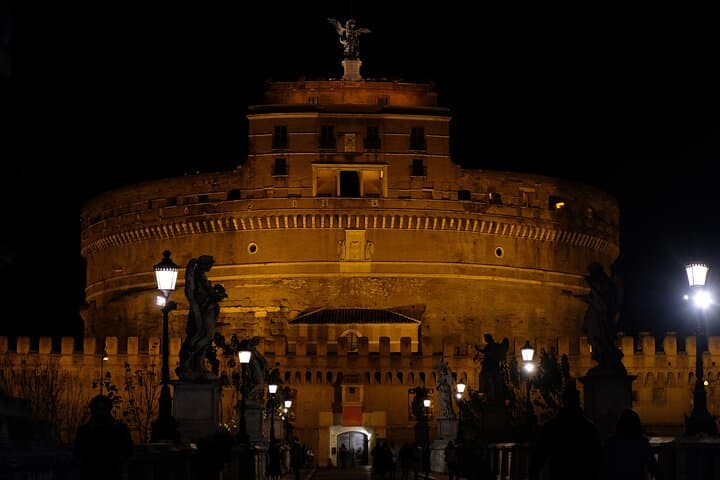
The walk threads through lanes and along the Tiber, touching Ponte Sisto and the more ornate Ponte Sant’Angelo, places that once displayed bodies and signaled civic justice. You’ll pass the Capuchin Crypt — a 17th‑century chapel where human bones form decorative patterns — and see the madonnelle, tiny roadside shrines that played a surprising role in local crime prevention. Along Via Giulia and the shadowed squares, tales of popes, executioners like Mastro Titta, and feuding families such as the Cenci give texture to Rome’s political and social past.
Geology and urban form quietly shape the tour: travertine steps, cobbled streets, and riverbanks that concentrated traffic and rumor for millennia. The guide pairs archival stories with on‑site details so history feels immediate rather than academic.
Practical notes: the route is roughly two hours on mostly flat but uneven cobbles; good footwear and a small flashlight are sensible. Tours move at an easy pace but expect standing stops and narrow alleys. Meet at the Giordano Bruno statue 10 minutes early, watch for late‑night scooters, and remember this is a group experience—keep voices low to preserve atmosphere and respect residents.
easy.
2 hours.
Suitable for most fitness levels; comfortable walking pace with intermittent standing; manage cobbles and short stair sections.
In front of the Giordano Bruno statue at the center of Campo de’ Fiori; arrive 10 minutes early and look for the guide with a red sign or tablet.
Yes — the walk is easy and stroller accessible, but content includes violent historical stories and some macabre sites, so parental discretion is advised.
Mostly flat city streets with cobbles; there are a few short stair sections but no sustained climbs.
Yes, photography is allowed, though the guide may request silence or no flash in sensitive spots such as chapels or residential façades.
Rome’s public spaces served both civic life and spectacle; bridges and squares were often sites of punishment and public display used by authorities to enforce order.
Respect private property and sacred sites; avoid touching bone displays and leave no trace in historic alleys to help preserve fragile urban fabric.
Republic Experiences operates guided outdoor trips and adventures with an emphasis on safety, stewardship, and memorable experiences.


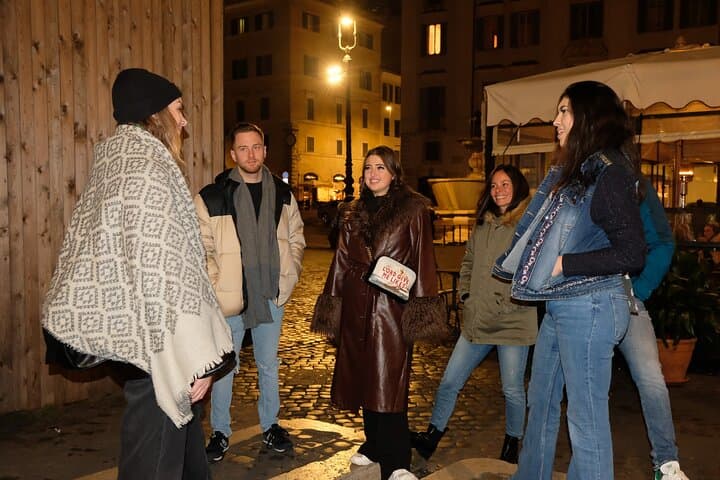
A cold lamp spills across Campo de’ Fiori as the group gathers around the bronze statue of Giordano Bruno. The market stalls are closed; the pavements are slick with the day’s history. Your guide steps forward and the city’s familiar stones reframe themselves — not as postcard Rome but as a stage for murder, power, and uneasy sleep.
A cold lamp spills across Campo de’ Fiori as the group gathers around the bronze statue of Giordano Bruno. The market stalls are closed; the pavements are slick with the day’s history. Your guide steps forward and the city’s familiar stones reframe themselves — not as postcard Rome but as a stage for murder, power, and uneasy sleep.
The walk threads through lanes and along the Tiber, touching Ponte Sisto and the more ornate Ponte Sant’Angelo, places that once displayed bodies and signaled civic justice. You’ll pass the Capuchin Crypt — a 17th‑century chapel where human bones form decorative patterns — and see the madonnelle, tiny roadside shrines that played a surprising role in local crime prevention. Along Via Giulia and the shadowed squares, tales of popes, executioners like Mastro Titta, and feuding families such as the Cenci give texture to Rome’s political and social past.
Geology and urban form quietly shape the tour: travertine steps, cobbled streets, and riverbanks that concentrated traffic and rumor for millennia. The guide pairs archival stories with on‑site details so history feels immediate rather than academic.
Practical notes: the route is roughly two hours on mostly flat but uneven cobbles; good footwear and a small flashlight are sensible. Tours move at an easy pace but expect standing stops and narrow alleys. Meet at the Giordano Bruno statue 10 minutes early, watch for late‑night scooters, and remember this is a group experience—keep voices low to preserve atmosphere and respect residents.