THE ADVENTURE COLLECTIVE® · Independent discovery and booking for outdoor travel

Walk the French Quarter after dark and let informed local guides lead you through two hours of documented history and eerie lore. Expect ironwork galleries, shadowed alleys, and spine-tingling stories rooted in the city’s complex past.
Walk the French Quarter after dark and let informed local guides lead you through two hours of documented history and eerie lore. Expect ironwork galleries, shadowed alleys, and spine-tingling stories rooted in the city’s complex past.
The lamp-glow along Decatur Street pulls you into a different map of New Orleans—one of tight ironwork balconies, narrow alleys, and voices from another century. On a two-hour Haunted French Quarter Walking Tour, the night becomes the guidebook. You move past gaslit doorways and into stories that stick to the cobbles: a phantom in Pirates Alley, the chilling lineage of the LaLaurie Mansion, and a river-side rumor that feels like the Mississippi itself is whispering.
Verified experiences and guided adventures in the surrounding area.
Operated by Historic New Orleans Tours · New Orleans, Louisiana
The lamp-glow along Decatur Street pulls you into a different map of New Orleans—one of tight ironwork balconies, narrow alleys, and voices from another century. On a two-hour Haunted French Quarter Walking Tour, the night becomes the guidebook. You move past gaslit doorways and into stories that stick to the cobbles: a phantom in Pirates Alley, the chilling lineage of the LaLaurie Mansion, and a river-side rumor that feels like the Mississippi itself is whispering.
This quarter was built from clay, trade, and conflict. French and Spanish hands raised brick and oak, and in those bones you can read epidemics, duels, and slave markets that shaped the city’s uncanny backlog of tales. The architecture—Creole townhouses, wrought-iron galleries, hidden courtyards—creates the shadows and thresholds where folklore took root. Voodoo, Catholic ritual, and the bustle of river commerce braided together, giving rise to characters that guides name with the matter-of-fact cadence of historians: Pere Dagobert, General P.G.T. Beauregard, the Quadroon Mistress.
What makes the tour work is its local intelligence. Guides stitch verifiable records to oral histories: death notices, court reports, and ledger entries that explain why a story refuses to die. That factual backbone keeps the scares from becoming cheap theatrics—these are hauntings that grew out of economics, law, and grief. The city’s topography amplifies them; narrow lanes funnel sound, brick absorbs light, and the Mississippi’s persistent presence feels like a cold current underfoot.
Practically, this is a walking tour on paved surfaces across about a mile of the French Quarter—moderate for any walker, but easier if you’re wearing comfortable shoes. Meet at Tujague’s Restaurant on Decatur Street and plan to arrive 15–20 minutes early; the route commonly finishes near Jackson Square. Tours run after dusk when the Quarter’s personality shifts; expect uneven sidewalks, crowds near Bourbon Street, and pockets of quiet in places like Pirates Alley.
Accessibility is straightforward: guides accommodate wheelchairs and strollers, but let the operator know in advance. Bring a small flashlight for dark alleys, water for humid nights, and a jacket for sudden Gulf-coast breezes. Respect private property—many haunted sites are occupied—and tip your guide for the stories and local context they provide.
By the time the walk ends, the Quarter has moved from postcard to living archive. You won’t leave with proof of ghosts, but you will leave with an understanding of why this city remembers its dead so loudly—and why its streets keep calling you back.
easy.
2 hours.
Suitable for most fitness levels; requires being on your feet and walking roughly 1 mile on uneven sidewalks.
Meet at Tujague’s Restaurant, 823 Decatur Street at the corner of Madison Street; arrive 15–20 minutes early for check-in.
Yes; the tour is wheelchair accessible but notify the operator ahead of time so guides can plan the most suitable route.
Expect about one mile of walking across paved and sometimes uneven sidewalks over two hours with frequent stops for stories.
The tour is family-friendly but includes mature historical themes; parental discretion is advised for younger children.
No—most haunted sites are viewed from the street; many are private residences or active businesses and are not entered.
Tours generally run rain or shine; check cancellation policy but bring a rain jacket for sudden showers.
The French Quarter was shaped by French and Spanish colonial rule, the slave trade, and 19th-century commerce on the Mississippi—real events that underpin many ghost stories.
The Quarter’s historic fabric is fragile; stay on public paths, avoid touching ironwork and plaster, and support local guides and businesses to help maintain conservation efforts.
Historic New Orleans Tours operates guided outdoor trips and adventures with an emphasis on safety, stewardship, and memorable experiences.
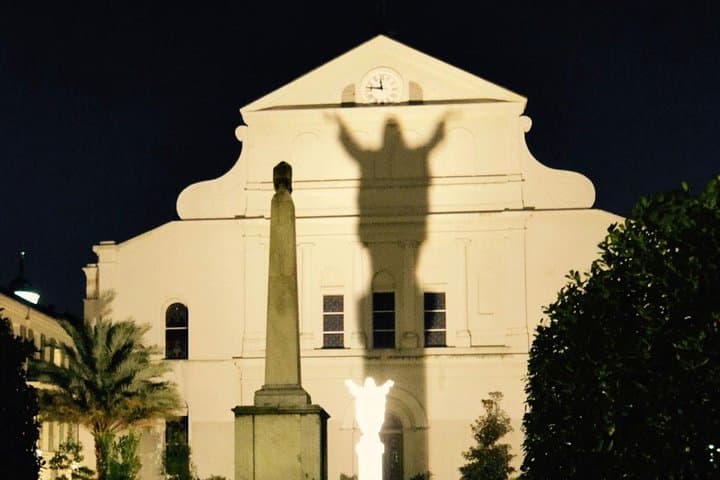
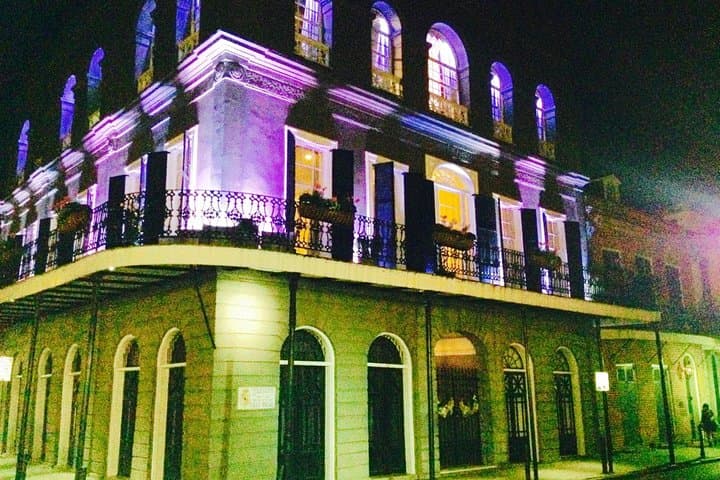
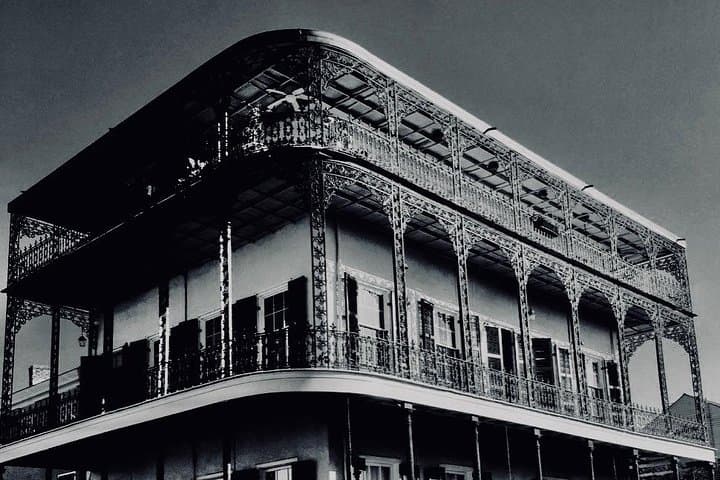
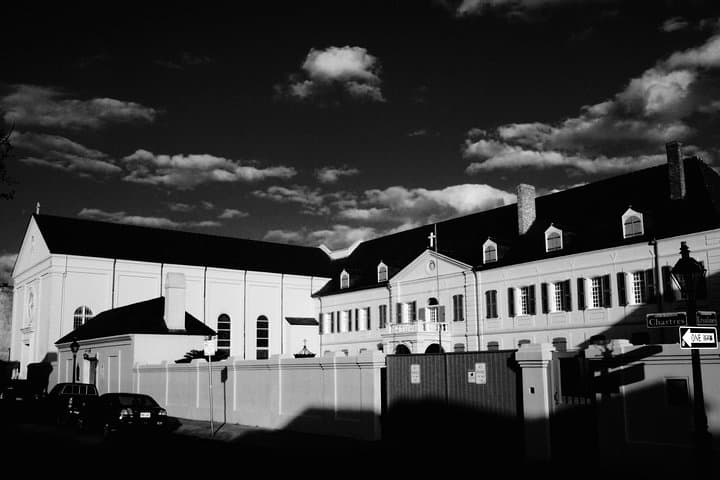
The lamp-glow along Decatur Street pulls you into a different map of New Orleans—one of tight ironwork balconies, narrow alleys, and voices from another century. On a two-hour Haunted French Quarter Walking Tour, the night becomes the guidebook. You move past gaslit doorways and into stories that stick to the cobbles: a phantom in Pirates Alley, the chilling lineage of the LaLaurie Mansion, and a river-side rumor that feels like the Mississippi itself is whispering.
The lamp-glow along Decatur Street pulls you into a different map of New Orleans—one of tight ironwork balconies, narrow alleys, and voices from another century. On a two-hour Haunted French Quarter Walking Tour, the night becomes the guidebook. You move past gaslit doorways and into stories that stick to the cobbles: a phantom in Pirates Alley, the chilling lineage of the LaLaurie Mansion, and a river-side rumor that feels like the Mississippi itself is whispering.
This quarter was built from clay, trade, and conflict. French and Spanish hands raised brick and oak, and in those bones you can read epidemics, duels, and slave markets that shaped the city’s uncanny backlog of tales. The architecture—Creole townhouses, wrought-iron galleries, hidden courtyards—creates the shadows and thresholds where folklore took root. Voodoo, Catholic ritual, and the bustle of river commerce braided together, giving rise to characters that guides name with the matter-of-fact cadence of historians: Pere Dagobert, General P.G.T. Beauregard, the Quadroon Mistress.
What makes the tour work is its local intelligence. Guides stitch verifiable records to oral histories: death notices, court reports, and ledger entries that explain why a story refuses to die. That factual backbone keeps the scares from becoming cheap theatrics—these are hauntings that grew out of economics, law, and grief. The city’s topography amplifies them; narrow lanes funnel sound, brick absorbs light, and the Mississippi’s persistent presence feels like a cold current underfoot.
Practically, this is a walking tour on paved surfaces across about a mile of the French Quarter—moderate for any walker, but easier if you’re wearing comfortable shoes. Meet at Tujague’s Restaurant on Decatur Street and plan to arrive 15–20 minutes early; the route commonly finishes near Jackson Square. Tours run after dusk when the Quarter’s personality shifts; expect uneven sidewalks, crowds near Bourbon Street, and pockets of quiet in places like Pirates Alley.
Accessibility is straightforward: guides accommodate wheelchairs and strollers, but let the operator know in advance. Bring a small flashlight for dark alleys, water for humid nights, and a jacket for sudden Gulf-coast breezes. Respect private property—many haunted sites are occupied—and tip your guide for the stories and local context they provide.
By the time the walk ends, the Quarter has moved from postcard to living archive. You won’t leave with proof of ghosts, but you will leave with an understanding of why this city remembers its dead so loudly—and why its streets keep calling you back.