THE ADVENTURE COLLECTIVE® · Independent discovery and booking for outdoor travel

Spend a day tracing Scotland’s darker corners on a private tour from Edinburgh to Dunnottar and Glamis Castle. Coastal ruins, royal rooms, and archival tales combine with dramatic scenery on this eight‑hour cultural adventure.
Spend a day tracing Scotland’s darker corners on a private tour from Edinburgh to Dunnottar and Glamis Castle. Coastal ruins, royal rooms, and archival tales combine with dramatic scenery on this eight‑hour cultural adventure.
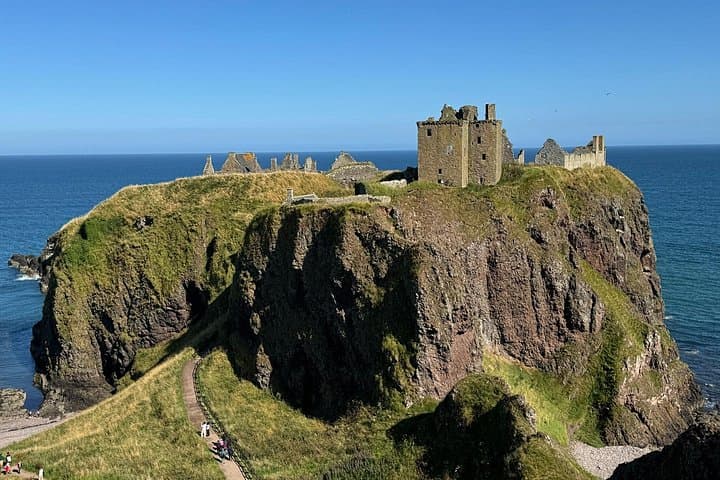
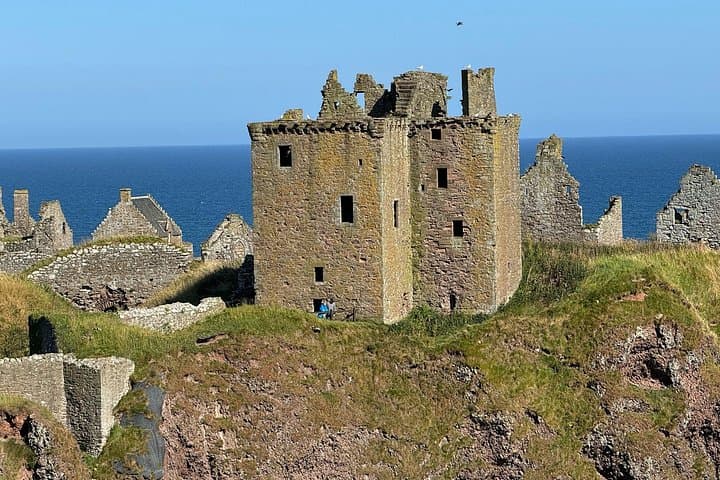
You leave Edinburgh before dawn and the city falls away to patchwork farmland; by midmorning the wind off the North Sea is in your face and cliffs drop away into spray. At Dunnottar Castle the ruins sit like a fortress dared by the ocean — a narrow causeway, sheer drops, and views that demand you slow down and listen to the stones.
Verified experiences and guided adventures in the surrounding area.
Operated by Private tours Edinburgh · Stonehaven, Aberdeenshire
You leave Edinburgh before dawn and the city falls away to patchwork farmland; by midmorning the wind off the North Sea is in your face and cliffs drop away into spray. At Dunnottar Castle the ruins sit like a fortress dared by the ocean — a narrow causeway, sheer drops, and views that demand you slow down and listen to the stones.
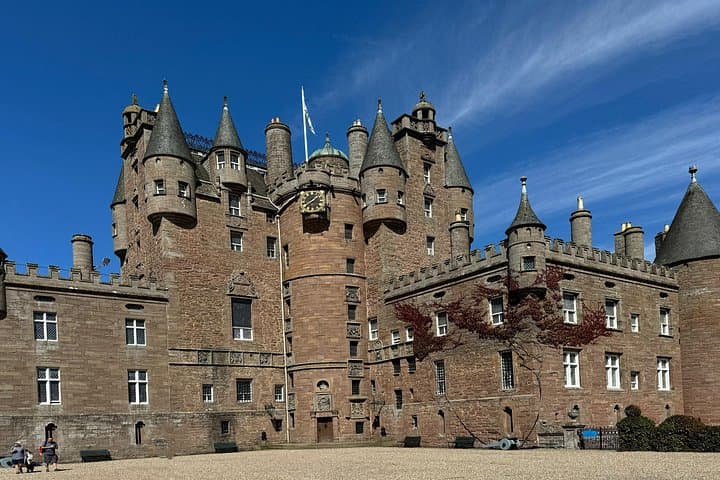
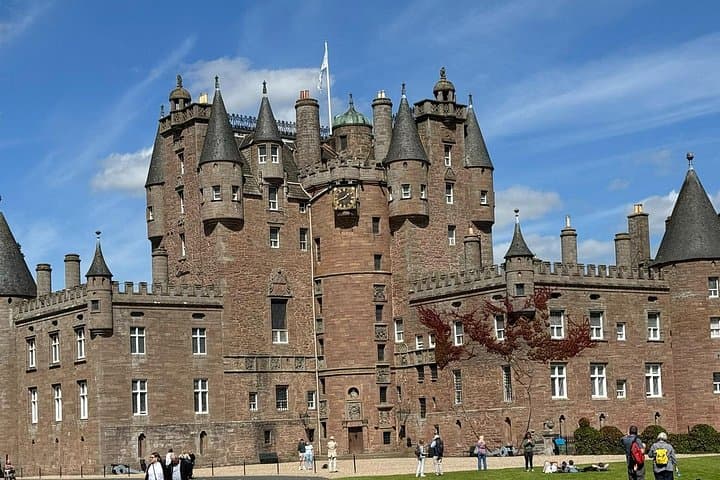
Both ruins and lived-in houses tell Scotland’s layered story here. Dunnottar occupies a hard, Old Red Sandstone promontory carved by glaciers and sea; its strategic position made it a stronghold in the Wars of Independence and a hiding place for Scotland’s Crown Jewels. Glamis Castle, inland in Angus, reads differently: a continuously occupied estate since the 14th century, royal connections, and dozens of reported spirits tied to family histories and shifting politics. Guides lean on archival records, local lore, and architectural features — battlements, domestic chambers, and service passages — to stitch fact and folklore together.
Expect uneven paths, steep steps, and coastal exposure at Dunnottar; Glamis offers manicured grounds and intimate interior rooms with period furnishings. Practical rhythm matters: bring layers for wind and rain, waterproof footwear for cliff paths, and time to move slowly through each site — the tour includes roughly an hour at each castle plus transport. Photographs are rewarding but be mindful of restricted rooms and conservation signage.
This private, small-group format delivers history, views, and ghost stories without the crowds — ideal for anyone wanting a full-day blend of geology, monarchy, and coastal drama.
moderate.
8 hours.
Suitable for people who can walk on uneven ground and climb multiple flights of stone steps; not strenuous cardiovascularly but requires balance and mobility.
The full experience runs about eight hours with roughly one hour at Dunnottar and one hour at Glamis plus travel and brief stops.
Yes — the itinerary notes admission is included for both Dunnottar and Glamis during the scheduled stops.
The tour is family-friendly, but both sites have steep steps and uneven terrain; those with limited mobility should check accessibility details and consider whether steep climbs are manageable.
Tours depart from Edinburgh with flexible pickup options from hotels or central meeting points; details are confirmed at booking.
Dunnottar’s cliff-top position made it a storied defensive site linked to William Wallace and the safekeeping of Scotland’s crown jewels; Glamis has been the Lyon family seat since the 14th century and is tied to the Queen Mother’s childhood.
Both sites manage visitor impact through designated paths and restricted interior access — follow signage, avoid off-trail wandering, and respect fragile stonework and habitats.
Private tours Edinburgh operates guided outdoor trips and adventures with an emphasis on safety, stewardship, and memorable experiences.
You leave Edinburgh before dawn and the city falls away to patchwork farmland; by midmorning the wind off the North Sea is in your face and cliffs drop away into spray. At Dunnottar Castle the ruins sit like a fortress dared by the ocean — a narrow causeway, sheer drops, and views that demand you slow down and listen to the stones.
You leave Edinburgh before dawn and the city falls away to patchwork farmland; by midmorning the wind off the North Sea is in your face and cliffs drop away into spray. At Dunnottar Castle the ruins sit like a fortress dared by the ocean — a narrow causeway, sheer drops, and views that demand you slow down and listen to the stones.
Both ruins and lived-in houses tell Scotland’s layered story here. Dunnottar occupies a hard, Old Red Sandstone promontory carved by glaciers and sea; its strategic position made it a stronghold in the Wars of Independence and a hiding place for Scotland’s Crown Jewels. Glamis Castle, inland in Angus, reads differently: a continuously occupied estate since the 14th century, royal connections, and dozens of reported spirits tied to family histories and shifting politics. Guides lean on archival records, local lore, and architectural features — battlements, domestic chambers, and service passages — to stitch fact and folklore together.
Expect uneven paths, steep steps, and coastal exposure at Dunnottar; Glamis offers manicured grounds and intimate interior rooms with period furnishings. Practical rhythm matters: bring layers for wind and rain, waterproof footwear for cliff paths, and time to move slowly through each site — the tour includes roughly an hour at each castle plus transport. Photographs are rewarding but be mindful of restricted rooms and conservation signage.
This private, small-group format delivers history, views, and ghost stories without the crowds — ideal for anyone wanting a full-day blend of geology, monarchy, and coastal drama.