THE ADVENTURE COLLECTIVE® · Independent discovery and booking for outdoor travel

Hit the high-speed RIB from Haugesund for a 90-minute blast through the Feøy archipelago — fast coastal cruising, sea-eagle sightings, and intimate views of remote island life. Read on for practical tips, history and what to expect on the water.
Hit the high-speed RIB from Haugesund for a 90-minute blast through the Feøy archipelago — fast coastal cruising, sea-eagle sightings, and intimate views of remote island life. Read on for practical tips, history and what to expect on the water.
A cold wind rakes the bow as the RIB bursts away from the quay, spray ticking the hood of your jacket and the islands of Karmøy and Feøy folding behind you like pages in a geography book. The sea here pushes and pulls with intent; currents sculpt channels between granite skerries and the boat leans into the speed while the guide points toward a dark silhouette riding the thermals — a sea eagle, broad-winged and indifferent to human haste.
Verified experiences and guided adventures in the surrounding area.
Operated by FjordEvents AS · Haugesund, Rogaland
A cold wind rakes the bow as the RIB bursts away from the quay, spray ticking the hood of your jacket and the islands of Karmøy and Feøy folding behind you like pages in a geography book. The sea here pushes and pulls with intent; currents sculpt channels between granite skerries and the boat leans into the speed while the guide points toward a dark silhouette riding the thermals — a sea eagle, broad-winged and indifferent to human haste.
This stretch of Norway’s southwest coast bears marks of the last ice age: low, smoothed bedrock, scattered islets and narrow passages fishermen learned to read generations ago. Haugesund itself grew around herring and shipbuilding; the islands you pass still hold tiny communities shaped by wind, salt and calendar. Røvær’s odd, compact settlement looks improbable from the water — houses clustered like a story told on a single page.
On a RIB safari you experience geology, culture and wildlife in quick succession. The boat lets you slip into channels larger vessels avoid, bringing you close to cliffs where gulls and eagles quarter the air and seal heads bob like punctuation marks in calm coves.
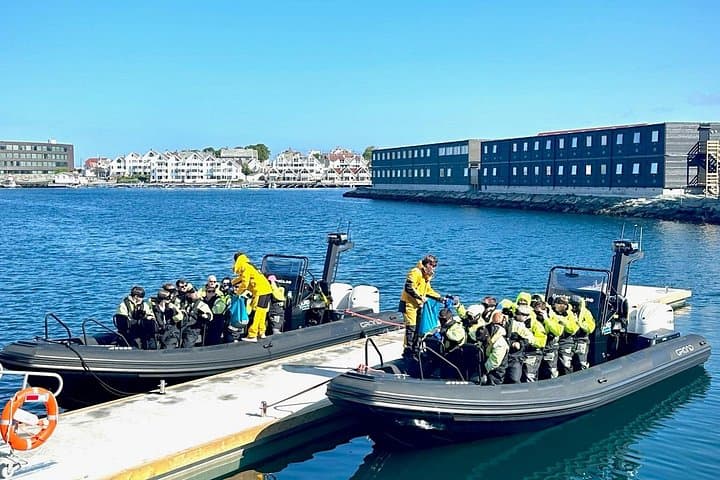
Practical notes: rides last about 90 minutes, so dress for wind and spray — waterproof outer layers and non-slip shoes are essential. Bring a small camera with a zoom and stow it in a dry bag. Expect brisk motion; those prone to seasickness should medicate beforehand. Guides provide flotation suits and life jackets and will brief you on boarding, sit-down posture and how to get the best photo without leaning over the rail. Morning trips often offer calmer seas and clearer light for wildlife viewing; afternoons can be raw and dramatic. Above all, respect landing restrictions on inhabited islets and keep noise low to avoid disturbing nesting birds.
easy.
1.5 hours.
Minimal cardiovascular fitness required; you should be able to step onto a low dock and sit securely for the duration.
The tour is approximately 90 minutes long and covers the Feøy archipelago, Røvær and coastal approaches to Haugesund.
Yes — the operator lists the excursion as suitable for all fitness levels, but travelers must be able to board safely and follow crew safety instructions.
Most itineraries cruise past islands and may approach inhabited islets like Røvær for views; actual landings depend on weather and operator plan.
Common sightings include sea eagles, harbor seals and various seabirds; sightings aren’t guaranteed and depend on season and sea conditions.
Haugesund evolved from a herring-fishing and shipbuilding economy; the coastal settlements visible from the RIB reflect centuries of small-scale fishing and seasonal trade.
Low-impact touring is emphasized: stay within marked channels, avoid landing on bird colonies, and follow guides’ instructions to minimize disturbance to wildlife.
FjordEvents AS operates guided outdoor trips and adventures with an emphasis on safety, stewardship, and memorable experiences.
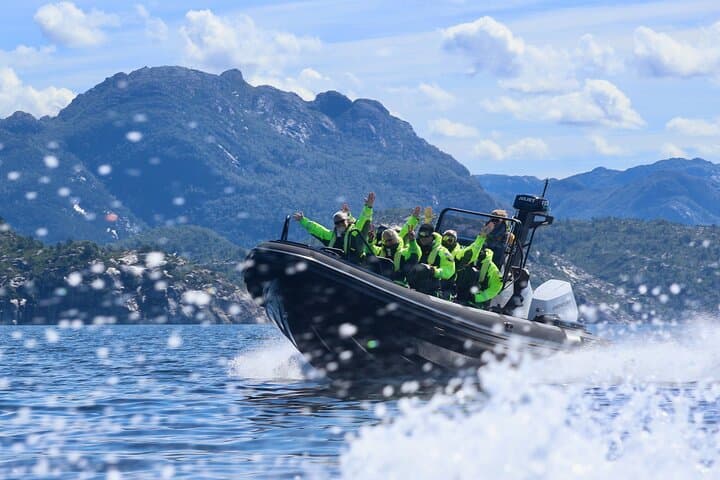
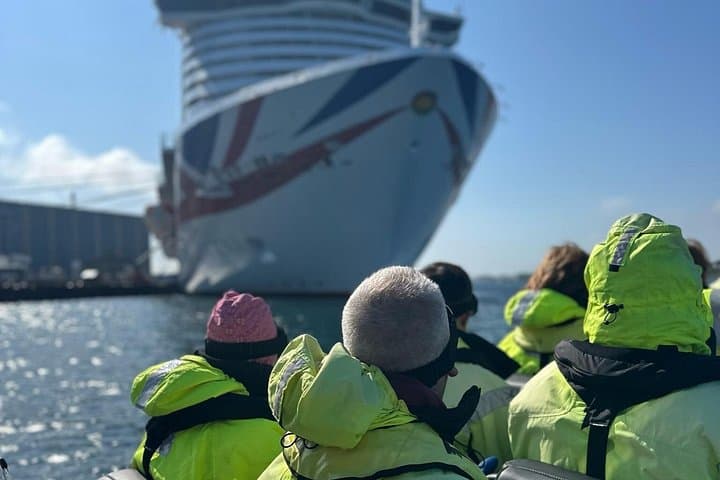
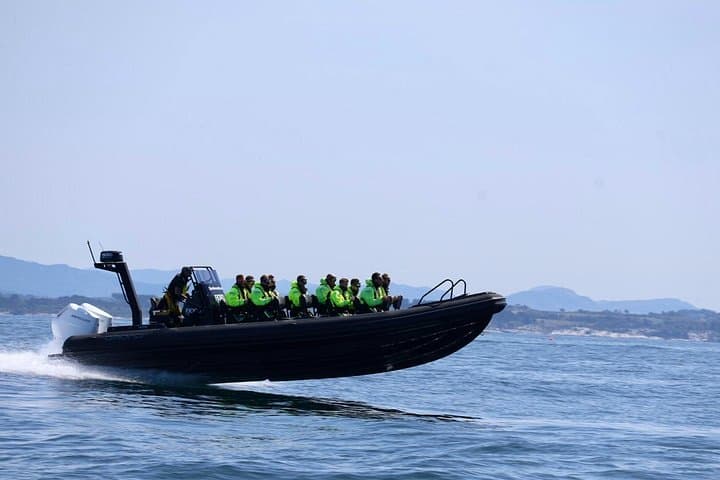
A cold wind rakes the bow as the RIB bursts away from the quay, spray ticking the hood of your jacket and the islands of Karmøy and Feøy folding behind you like pages in a geography book. The sea here pushes and pulls with intent; currents sculpt channels between granite skerries and the boat leans into the speed while the guide points toward a dark silhouette riding the thermals — a sea eagle, broad-winged and indifferent to human haste.
A cold wind rakes the bow as the RIB bursts away from the quay, spray ticking the hood of your jacket and the islands of Karmøy and Feøy folding behind you like pages in a geography book. The sea here pushes and pulls with intent; currents sculpt channels between granite skerries and the boat leans into the speed while the guide points toward a dark silhouette riding the thermals — a sea eagle, broad-winged and indifferent to human haste.
This stretch of Norway’s southwest coast bears marks of the last ice age: low, smoothed bedrock, scattered islets and narrow passages fishermen learned to read generations ago. Haugesund itself grew around herring and shipbuilding; the islands you pass still hold tiny communities shaped by wind, salt and calendar. Røvær’s odd, compact settlement looks improbable from the water — houses clustered like a story told on a single page.
On a RIB safari you experience geology, culture and wildlife in quick succession. The boat lets you slip into channels larger vessels avoid, bringing you close to cliffs where gulls and eagles quarter the air and seal heads bob like punctuation marks in calm coves.
Practical notes: rides last about 90 minutes, so dress for wind and spray — waterproof outer layers and non-slip shoes are essential. Bring a small camera with a zoom and stow it in a dry bag. Expect brisk motion; those prone to seasickness should medicate beforehand. Guides provide flotation suits and life jackets and will brief you on boarding, sit-down posture and how to get the best photo without leaning over the rail. Morning trips often offer calmer seas and clearer light for wildlife viewing; afternoons can be raw and dramatic. Above all, respect landing restrictions on inhabited islets and keep noise low to avoid disturbing nesting birds.