THE ADVENTURE COLLECTIVE® · Independent discovery and booking for outdoor travel

Drive into the Hajar Mountains for a day that pairs a reconstructed mountain village with a calm hour of kayaking on Hatta Dam. Expect rocky wadis, stone towers, and an easy paddle framed by striking green reservoirs.
Drive into the Hajar Mountains for a day that pairs a reconstructed mountain village with a calm hour of kayaking on Hatta Dam. Expect rocky wadis, stone towers, and an easy paddle framed by striking green reservoirs.
You pull away from Dubai's glass skyline and the road unravels east into the Hajar Mountains: hairpin turns, scrubbed rock faces and a sudden pocket of cool air as you climb toward Hatta.
Verified experiences and guided adventures in the surrounding area.
Operated by RAH Tourism Dubai · Hatta, Dubai
You pull away from Dubai's glass skyline and the road unravels east into the Hajar Mountains: hairpin turns, scrubbed rock faces and a sudden pocket of cool air as you climb toward Hatta.
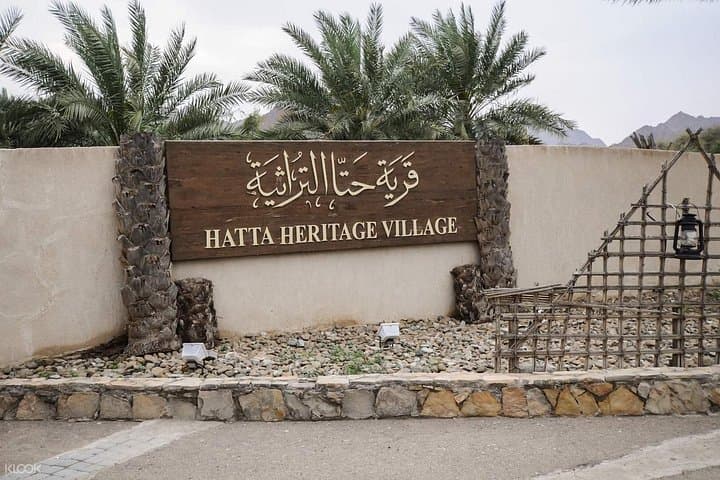
The tour drops you at Hatta Heritage Village — a reconstructed stone settlement that feels practical rather than precious. Defensive towers, low stone houses and a falaj irrigation channel reveal how communities harvested scarce water at elevations around 300–400 m above sea level. The geology here is exposed Hajar limestone and ophiolite formations, with odd-shaped boulders and dry wadi beds that channel rare rains.
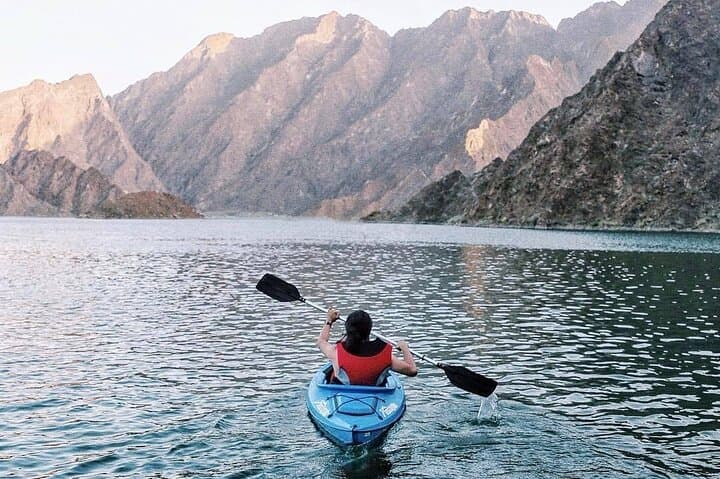
Culturally, this is Dubai’s mountain exclave: historically a trade and oasis stop where date palms and goats shaped daily life. At Hatta Dam the landscape changes — an emerald reservoir cupped by steep gravel slopes and scrub where migratory waterbirds pause.
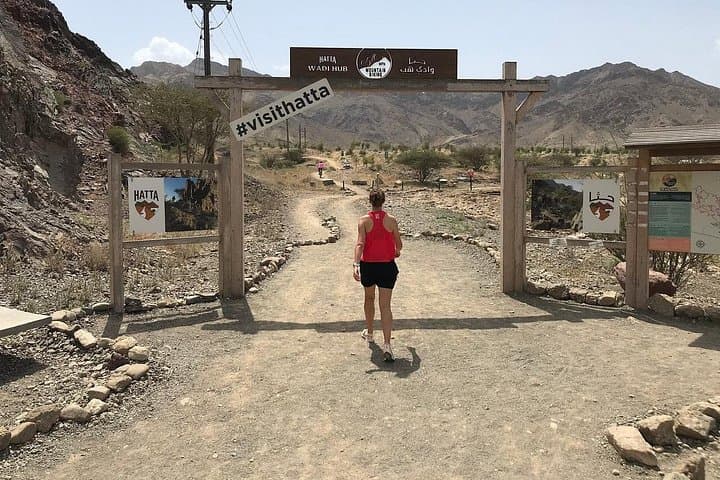
Practical guidance: the full program is about a 3–4 hour outing from Dubai each way, roughly 134 km of driving round-trip is typical for shared tours. Expect short, easy walks and one hour of flatwater kayaking on the reservoir; elevation changes on-site are modest but surfaces are rocky and uneven. Bring sun protection, 1–2 liters of water, closed-toe shoes for village paths, and a lightweight wind layer for early mornings.
Timing matters: mornings are cooler for paddling and photos; late afternoons can be hazy. Respect heritage exhibits, stay on marked paths, and avoid disturbing irrigation channels. The mix of mountain road, cultural site and a calm paddle makes for a straightforward day that pairs geology, history and a hands-on moment on the water.
easy.
6 hours (approx.).
Suitable for most fitness levels; light walking and one hour of novice-friendly kayaking.
The one-way drive is about 1.5–2 hours depending on traffic, roughly 130–140 km via the Hatta road.
No—kayaking on Hatta Dam is flatwater and guided; basic instructions are provided for beginners.
Food is generally not included; bring snacks and a refillable water bottle or confirm with the operator ahead of time.
Yes—infant seats are available for transfers and the activity is rated easy, but check operator age limits for kayaking.
Hatta is an exclave of Dubai with a reconstructed Heritage Village showcasing traditional stone houses, defensive towers and a falaj irrigation system used for centuries.
Water is scarce in the Hajar foothills; stay on paths, do not disturb falaj channels, and pack out waste to minimize visitor impact.
RAH Tourism Dubai operates guided outdoor trips and adventures with an emphasis on safety, stewardship, and memorable experiences.
You pull away from Dubai's glass skyline and the road unravels east into the Hajar Mountains: hairpin turns, scrubbed rock faces and a sudden pocket of cool air as you climb toward Hatta.
You pull away from Dubai's glass skyline and the road unravels east into the Hajar Mountains: hairpin turns, scrubbed rock faces and a sudden pocket of cool air as you climb toward Hatta.
The tour drops you at Hatta Heritage Village — a reconstructed stone settlement that feels practical rather than precious. Defensive towers, low stone houses and a falaj irrigation channel reveal how communities harvested scarce water at elevations around 300–400 m above sea level. The geology here is exposed Hajar limestone and ophiolite formations, with odd-shaped boulders and dry wadi beds that channel rare rains.
Culturally, this is Dubai’s mountain exclave: historically a trade and oasis stop where date palms and goats shaped daily life. At Hatta Dam the landscape changes — an emerald reservoir cupped by steep gravel slopes and scrub where migratory waterbirds pause.
Practical guidance: the full program is about a 3–4 hour outing from Dubai each way, roughly 134 km of driving round-trip is typical for shared tours. Expect short, easy walks and one hour of flatwater kayaking on the reservoir; elevation changes on-site are modest but surfaces are rocky and uneven. Bring sun protection, 1–2 liters of water, closed-toe shoes for village paths, and a lightweight wind layer for early mornings.
Timing matters: mornings are cooler for paddling and photos; late afternoons can be hazy. Respect heritage exhibits, stay on marked paths, and avoid disturbing irrigation channels. The mix of mountain road, cultural site and a calm paddle makes for a straightforward day that pairs geology, history and a hands-on moment on the water.