THE ADVENTURE COLLECTIVE® · Independent discovery and booking for outdoor travel

A straightforward shore transfer takes cruisers from Le Havre to central Paris with a 4–5 hour free window. Comfortable coach transport, a scenic Normandy drive and clear meet-up points make seeing Paris in a day doable.
A straightforward shore transfer takes cruisers from Le Havre to central Paris with a 4–5 hour free window. Comfortable coach transport, a scenic Normandy drive and clear meet-up points make seeing Paris in a day doable.
You step off the cruise gangway into the wind of the Seine estuary and spot a host holding a sign; within minutes you’re on a modern, air-conditioned coach threading past Normandy hedgerows and farmed fields. The coast slips away and the silhouette of Paris grows, the Eiffel Tower puncturing a low, often-blue skyline.
Verified experiences and guided adventures in the surrounding area.
Operated by Vexperio · Le Havre, Normandy
You step off the cruise gangway into the wind of the Seine estuary and spot a host holding a sign; within minutes you’re on a modern, air-conditioned coach threading past Normandy hedgerows and farmed fields. The coast slips away and the silhouette of Paris grows, the Eiffel Tower puncturing a low, often-blue skyline.
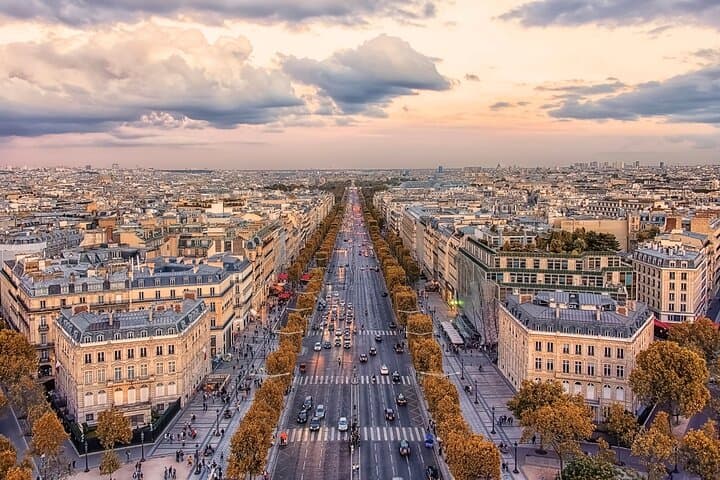
Le Havre itself is a study in 20th-century reconstruction—rebuilt after World War II by architect Auguste Perret and now a UNESCO-listed urban plan—while the drive follows terrain shaped by the Seine and the chalky cliffs of nearby Étretat. In Paris, centuries of history stack tightly: Haussmann boulevards give way to narrow arrondissements; museums and cafés sit within walking distance of the river.
You’ll have roughly four hours to choose your rhythm: cross the Champ de Mars to the Eiffel Tower, take a 60–90 minute Seine river cruise, or squeeze in the Musée d’Orsay if you time it right. Meet-back is the Arc de Triomphe, a compact, easy-to-find rendezvous that simplifies returns to the port.
Practical notes: time management is the trip’s currency—know which attraction has the longest queues. Keep travel documents on your person, charge your phone, and plan one reachable priority rather than racing between landmarks. For cruisers who want daylight city highlights without overnight logistics, this transfer is a stress-reduced way to touch Paris’ center: quick, dependable transit, a useful window of free time, and an assured return to ship on schedule.
easy.
10–11 hours (round trip).
Minimal fitness required—mostly sitting on the coach and short urban walking.
Expect about three hours one-way including a short bathroom break, traffic permitting—total round-trip time with free time in Paris is usually 10–11 hours.
Drop-off is typically at the Eiffel Tower and pick-up at the Arc de Triomphe; organizers will confirm exact locations and any changes in advance.
You’ll have 4–5 hours; a fast visit to a nearby museum is possible but factor in queue times—prioritize one site or reserve timed-entry tickets where possible.
Yes—infants can use strollers and the coach is air-conditioned; keep an eye on timing and boarding procedures to ensure a smooth return.
Le Havre was extensively rebuilt after WWII under architect Auguste Perret; the city’s post-war plan is a UNESCO World Heritage site.
Both Normandy’s coast and Parisian riverbanks are sensitive to visitor pressure—avoid littering, stick to marked areas, and use reusable bottles to reduce waste.
Vexperio operates guided outdoor trips and adventures with an emphasis on safety, stewardship, and memorable experiences.
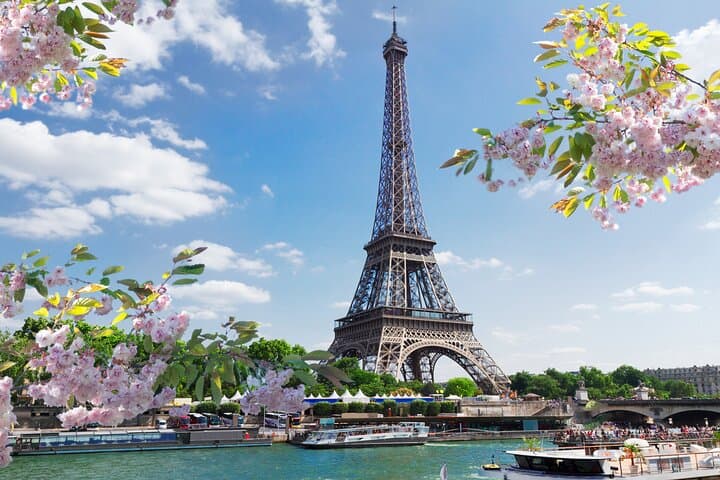
You step off the cruise gangway into the wind of the Seine estuary and spot a host holding a sign; within minutes you’re on a modern, air-conditioned coach threading past Normandy hedgerows and farmed fields. The coast slips away and the silhouette of Paris grows, the Eiffel Tower puncturing a low, often-blue skyline.
You step off the cruise gangway into the wind of the Seine estuary and spot a host holding a sign; within minutes you’re on a modern, air-conditioned coach threading past Normandy hedgerows and farmed fields. The coast slips away and the silhouette of Paris grows, the Eiffel Tower puncturing a low, often-blue skyline.
Le Havre itself is a study in 20th-century reconstruction—rebuilt after World War II by architect Auguste Perret and now a UNESCO-listed urban plan—while the drive follows terrain shaped by the Seine and the chalky cliffs of nearby Étretat. In Paris, centuries of history stack tightly: Haussmann boulevards give way to narrow arrondissements; museums and cafés sit within walking distance of the river.
You’ll have roughly four hours to choose your rhythm: cross the Champ de Mars to the Eiffel Tower, take a 60–90 minute Seine river cruise, or squeeze in the Musée d’Orsay if you time it right. Meet-back is the Arc de Triomphe, a compact, easy-to-find rendezvous that simplifies returns to the port.
Practical notes: time management is the trip’s currency—know which attraction has the longest queues. Keep travel documents on your person, charge your phone, and plan one reachable priority rather than racing between landmarks. For cruisers who want daylight city highlights without overnight logistics, this transfer is a stress-reduced way to touch Paris’ center: quick, dependable transit, a useful window of free time, and an assured return to ship on schedule.