THE ADVENTURE COLLECTIVE® · Independent discovery and booking for outdoor travel

Walk the streets where Hasidic Brooklyn rebuilt itself after the Holocaust. This self-guided audio tour pairs historical context with turn-by-turn directions for a 1.5–2 hour cultural immersion through Williamsburg.
Walk the streets where Hasidic Brooklyn rebuilt itself after the Holocaust. This self-guided audio tour pairs historical context with turn-by-turn directions for a 1.5–2 hour cultural immersion through Williamsburg.
You begin at the Williamsburg waterfront, the East River tugging at your attention while the Manhattan skyline slices the horizon. The audio app clicks on as you face the river where families once stepped off ferries and the Williamsburg Bridge became the "Jewish Highway." Street noise threads through pause points and guides each turn.
Verified experiences and guided adventures in the surrounding area.
Operated by VoiceMap Audio Tours · Brooklyn, New York
You begin at the Williamsburg waterfront, the East River tugging at your attention while the Manhattan skyline slices the horizon. The audio app clicks on as you face the river where families once stepped off ferries and the Williamsburg Bridge became the "Jewish Highway." Street noise threads through pause points and guides each turn.
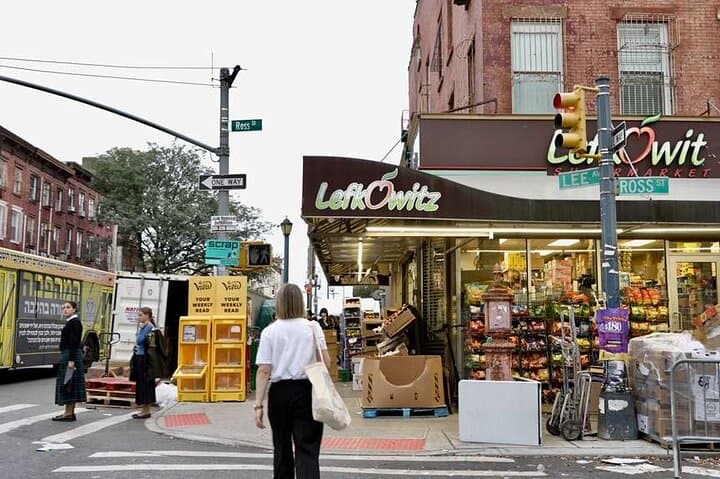
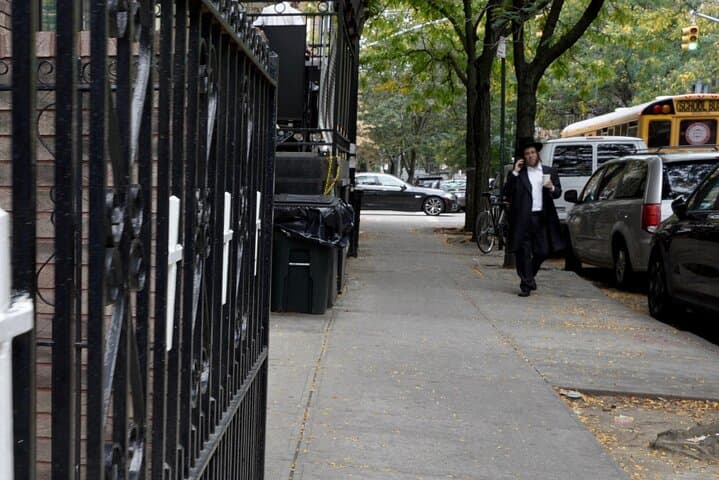
Walks like this follow social geology as much as streets: brick factory shells, narrow row houses, and synagogues built for crowds reflect layers of migration, economy, and religious life. The Satmar and other Hasidic dynasties rebuilt much of their communal life here after World War II; Yiddish remains the neighborhood's primary language of commerce and ritual. Expect ornate beards at prayer houses, women in modest dress, and storefronts devoted to religious garments and kosher provisions.
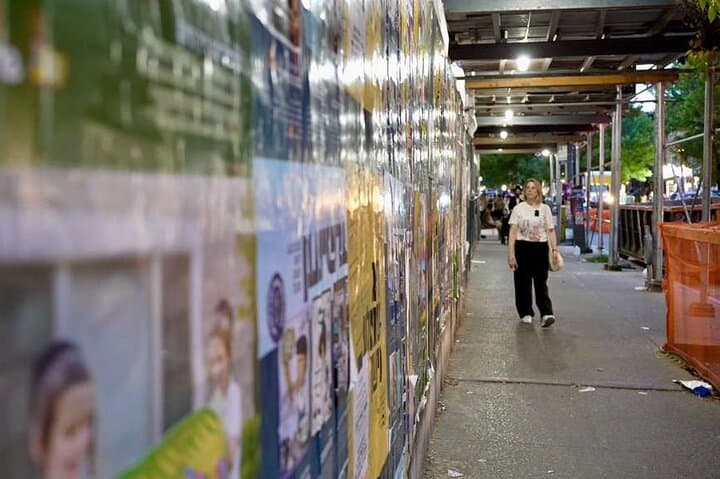
The tour maps cultural flashpoints — schools in repurposed public buildings, giant synagogues designed for the High Holidays, and boundary streets where gentrification and tradition meet. You'll hear how dynastic disputes shaped institutions and how daily routines structure public space.
Practically: download the VoiceMap audio before you go, bring headphones and a full battery, and follow the route's turn-by-turn prompts. Start in the morning to catch bakeries and shops opening, or late afternoon for softer light on brick façades. Be mindful of photographing people; this is a living community. The route is stroller-friendly and uses public transit — ideal for urban walkers who want a concentrated cultural immersion without a guide.
easy.
1.5–2 hours.
Light walking ability with comfort on city sidewalks; suitable for most fitness levels.
The tour is fully self-guided through the VoiceMap app with turn-by-turn directions and offline access; no live guide required.
Yes — sidewalks and many stops are stroller-accessible, but crowds and narrow sidewalks near synagogues can be challenging during peak times.
You can photograph architecture and public streets, but respect individuals' privacy and avoid photographing worshippers, schoolyards, or inside places of worship without permission.
This listing provides the tour in English; you may hear references to Yiddish in the narration as you visit community spaces.
Williamsburg's Hasidic community largely re-established itself after WWII; dynasties like Satmar created dense educational and religious institutions that continue to shape the neighborhood.
Visitors should minimize noise and avoid littering; respecting private property and cultural norms helps preserve both community life and the neighborhood's urban fabric.
VoiceMap Audio Tours operates guided outdoor trips and adventures with an emphasis on safety, stewardship, and memorable experiences.

You begin at the Williamsburg waterfront, the East River tugging at your attention while the Manhattan skyline slices the horizon. The audio app clicks on as you face the river where families once stepped off ferries and the Williamsburg Bridge became the "Jewish Highway." Street noise threads through pause points and guides each turn.
You begin at the Williamsburg waterfront, the East River tugging at your attention while the Manhattan skyline slices the horizon. The audio app clicks on as you face the river where families once stepped off ferries and the Williamsburg Bridge became the "Jewish Highway." Street noise threads through pause points and guides each turn.
Walks like this follow social geology as much as streets: brick factory shells, narrow row houses, and synagogues built for crowds reflect layers of migration, economy, and religious life. The Satmar and other Hasidic dynasties rebuilt much of their communal life here after World War II; Yiddish remains the neighborhood's primary language of commerce and ritual. Expect ornate beards at prayer houses, women in modest dress, and storefronts devoted to religious garments and kosher provisions.
The tour maps cultural flashpoints — schools in repurposed public buildings, giant synagogues designed for the High Holidays, and boundary streets where gentrification and tradition meet. You'll hear how dynastic disputes shaped institutions and how daily routines structure public space.
Practically: download the VoiceMap audio before you go, bring headphones and a full battery, and follow the route's turn-by-turn prompts. Start in the morning to catch bakeries and shops opening, or late afternoon for softer light on brick façades. Be mindful of photographing people; this is a living community. The route is stroller-friendly and uses public transit — ideal for urban walkers who want a concentrated cultural immersion without a guide.