THE ADVENTURE COLLECTIVE® · Independent discovery and booking for outdoor travel

Step onto a high Paris terrace during the two-week crocus bloom and learn the delicate craft of saffron harvesting. This hands-on rooftop experience blends urban agriculture, conservation practice, and a rare culinary lesson.
Step onto a high Paris terrace during the two-week crocus bloom and learn the delicate craft of saffron harvesting. This hands-on rooftop experience blends urban agriculture, conservation practice, and a rare culinary lesson.
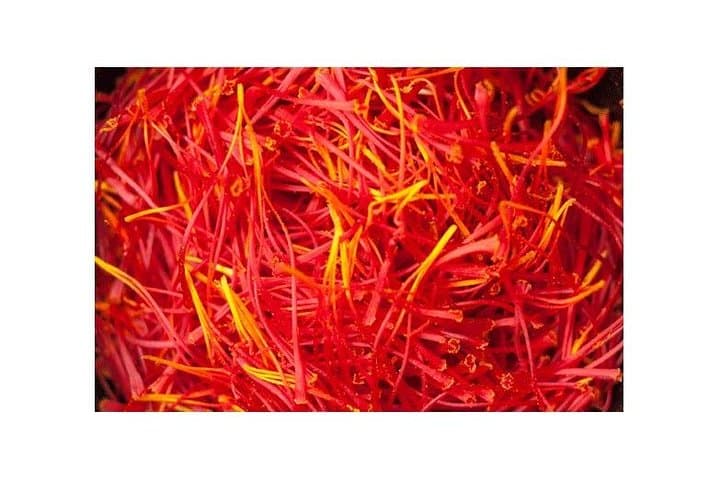
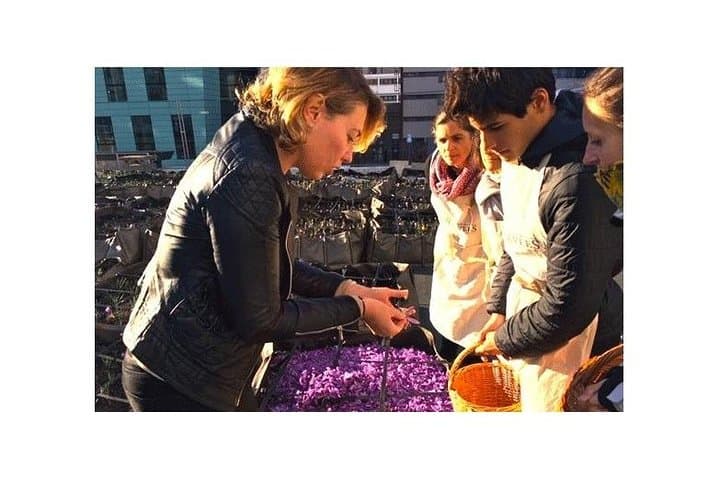
Morning light slices across Paris slate and zinc; from a tidy rooftop terrace a carpet of purple crocus blooms opens like a staged curtain. Visitors climb a narrow service stair and find themselves in a small patch of countryside suspended over boulevards — the air scented with soil, the breeze playful enough to lift a stray petal. For about 90–120 minutes guests join the short, exacting ritual of saffron harvest: plucking fragile crimson stigmas, learning the timing of a two-week flowering, and feeling the weight of a spice that chefs prize.
Verified experiences and guided adventures in the surrounding area.
Operated by GREETS PARIS · Paris, Île-de-France
Morning light slices across Paris slate and zinc; from a tidy rooftop terrace a carpet of purple crocus blooms opens like a staged curtain. Visitors climb a narrow service stair and find themselves in a small patch of countryside suspended over boulevards — the air scented with soil, the breeze playful enough to lift a stray petal. For about 90–120 minutes guests join the short, exacting ritual of saffron harvest: plucking fragile crimson stigmas, learning the timing of a two-week flowering, and feeling the weight of a spice that chefs prize.
Saffron’s story in France moves from medieval import to modern gourmet obsession. These rooftop terraces are part of a recent urban-agriculture movement in Paris that remakes former roofs into productive green space, improving insulation, slowing runoff, and inviting pollinators. Geology plays a quiet role — thin urban soils over concrete require careful soil management and composting, and the microclimate on high terraces ripens crocus flowers a touch earlier than the ground below.
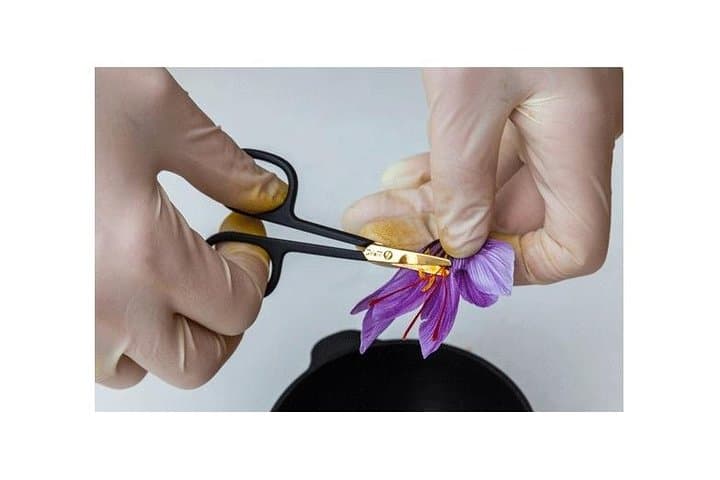
Expect hands-on instruction from local growers with country roots; you’ll learn to identify ripe blooms, extract stigmas without bruising, and take home a small sachet of saffron. Practicalities: wear sturdy shoes, bring a small bottle of water and a sun hat, and plan for steps and narrow access. The harvest is ephemeral and weather-dependent, so bookings are seasonal and often limited.
This is not a strenuous outing but a sensory one — petals daring you to be precise, wind nudging cups of purple toward the sun. It’s ideal for curious travelers who want a close-up lesson in urban food production and a rare culinary souvenir.
easy.
1.5–2 hours.
Suitable for all fitness levels; requires climbing a short flight of stairs and standing for harvesting.
Saffron crocuses typically flower for about two weeks in the autumn (often October), and exact dates vary year to year; tours are scheduled to match the bloom window.
Yes—this is family-friendly, but children should be supervised on rooftops and able to follow brief safety instructions.
Most tours include a small souvenir portion of saffron to take home; larger quantities are usually not feasible due to the spice’s rarity.
The operator often cancels for bad weather with at least 24-hour notice and will offer refunds or rescheduling as per their policy.
Rooftop cultivation in Paris has grown in recent decades as part of urban ecology initiatives, repurposing flat roofs for food production and habitat.
These terraces improve urban biodiversity and reduce stormwater runoff; visitors are encouraged to follow leave-no-trace practices and avoid single-use plastics.
GREETS PARIS operates guided outdoor trips and adventures with an emphasis on safety, stewardship, and memorable experiences.

Morning light slices across Paris slate and zinc; from a tidy rooftop terrace a carpet of purple crocus blooms opens like a staged curtain. Visitors climb a narrow service stair and find themselves in a small patch of countryside suspended over boulevards — the air scented with soil, the breeze playful enough to lift a stray petal. For about 90–120 minutes guests join the short, exacting ritual of saffron harvest: plucking fragile crimson stigmas, learning the timing of a two-week flowering, and feeling the weight of a spice that chefs prize.
Morning light slices across Paris slate and zinc; from a tidy rooftop terrace a carpet of purple crocus blooms opens like a staged curtain. Visitors climb a narrow service stair and find themselves in a small patch of countryside suspended over boulevards — the air scented with soil, the breeze playful enough to lift a stray petal. For about 90–120 minutes guests join the short, exacting ritual of saffron harvest: plucking fragile crimson stigmas, learning the timing of a two-week flowering, and feeling the weight of a spice that chefs prize.
Saffron’s story in France moves from medieval import to modern gourmet obsession. These rooftop terraces are part of a recent urban-agriculture movement in Paris that remakes former roofs into productive green space, improving insulation, slowing runoff, and inviting pollinators. Geology plays a quiet role — thin urban soils over concrete require careful soil management and composting, and the microclimate on high terraces ripens crocus flowers a touch earlier than the ground below.
Expect hands-on instruction from local growers with country roots; you’ll learn to identify ripe blooms, extract stigmas without bruising, and take home a small sachet of saffron. Practicalities: wear sturdy shoes, bring a small bottle of water and a sun hat, and plan for steps and narrow access. The harvest is ephemeral and weather-dependent, so bookings are seasonal and often limited.
This is not a strenuous outing but a sensory one — petals daring you to be precise, wind nudging cups of purple toward the sun. It’s ideal for curious travelers who want a close-up lesson in urban food production and a rare culinary souvenir.