THE ADVENTURE COLLECTIVE® · Independent discovery and booking for outdoor travel

Join a private half-day tour from Zadar that takes you from the olive grove to the tasting table. Harvest olives by hand, visit a pressing mill, then savor wine and a home-cooked lunch in a traditional kitchen.
Join a private half-day tour from Zadar that takes you from the olive grove to the tasting table. Harvest olives by hand, visit a pressing mill, then savor wine and a home-cooked lunch in a traditional kitchen.
You step out of the shaded lane into a groved slope where silver-green leaves flash in the Adriatic light and the air smells faintly of salt and grass. Hands move between branches—gentle taps, careful combing—and olives roll into nets while a local taster describes the day’s yield. This is less a demonstration than a shared rhythm: harvest, press, taste.
Verified experiences and guided adventures in the surrounding area.
Operated by Adriatic Vision · Zadar, Zadar County
You step out of the shaded lane into a groved slope where silver-green leaves flash in the Adriatic light and the air smells faintly of salt and grass. Hands move between branches—gentle taps, careful combing—and olives roll into nets while a local taster describes the day’s yield. This is less a demonstration than a shared rhythm: harvest, press, taste.
The Dalmatian coast has grown olives for millennia; stone terraces and karst ridges shape small family groves that survived Ottoman pushes and Venetian trade. Geologically, the region’s limestone creates thin soils that stress olive trees—concentrating flavor in the fruit. Culturally, olive oil is as much a social currency here as it is a pantry staple, and meals are designed around what’s fresh that morning.
On this private half-day tour from Zadar you’ll visit a working mill, pick olives in the grove, sample extra-virgin oil with cheese and prosciutto, then follow the road to a small winery and a local kitchen for a sit-down lunch. Expect hands-on instruction from an oil taster, approachable conversation about production methods, and straightforward food—octopus or veal under the bell—cooked over low heat.
Practical notes: wear sturdy shoes for uneven terraces, bring sun protection and a refillable bottle, carry ID for tastings, and allow 4–5 hours. The activity is moderately paced with light standing and walking; it’s ideal for travelers comfortable on short, uneven trails who want both a tactile and culinary connection to Zadar’s countryside.
moderate.
4–5 hours.
Moderate fitness—able to walk on uneven ground and stand through demonstrations
Most departures begin in central Zadar with pickup; the tour returns to Zadar and drops you at your requested central location.
No—it involves short periods of bending and walking on uneven ground; the tour is suitable for people with moderate fitness but not recommended for those with serious spinal issues.
Yes—tastings at the olive mill and winery plus a lunch are included, and the local taster leads guided sampling of oils and wines.
Yes—book ahead and note dietary needs; hosts will typically adapt the lunch to accommodate common restrictions.
Olive cultivation in Dalmatia stretches back to antiquity; many groves occupy terraces built centuries ago and reflect long local stewardship of the land.
Small producers here emphasize low-intervention pressing and reuse of pruning material; responsible tourism helps maintain small-scale agriculture and prevents abandonment of terraces.
Adriatic Vision operates guided outdoor trips and adventures with an emphasis on safety, stewardship, and memorable experiences.
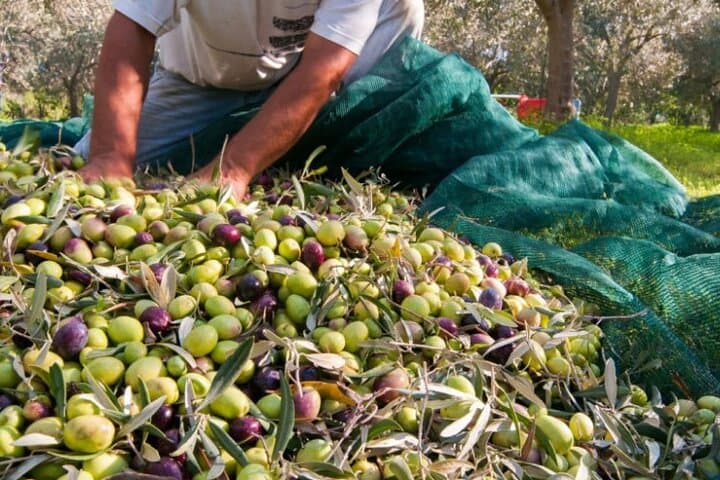
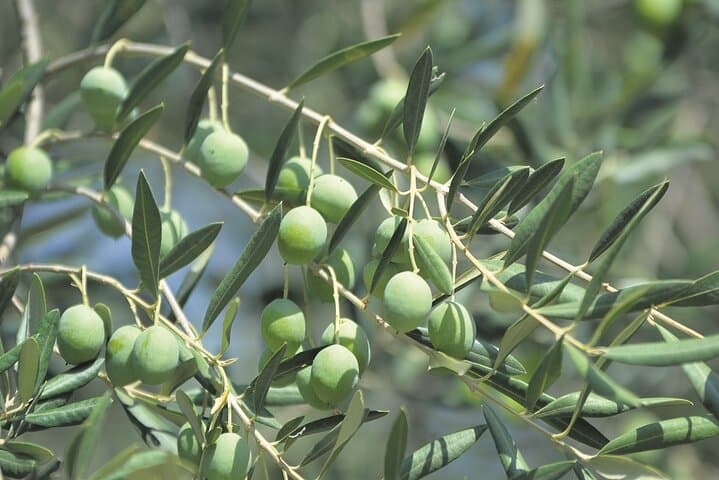
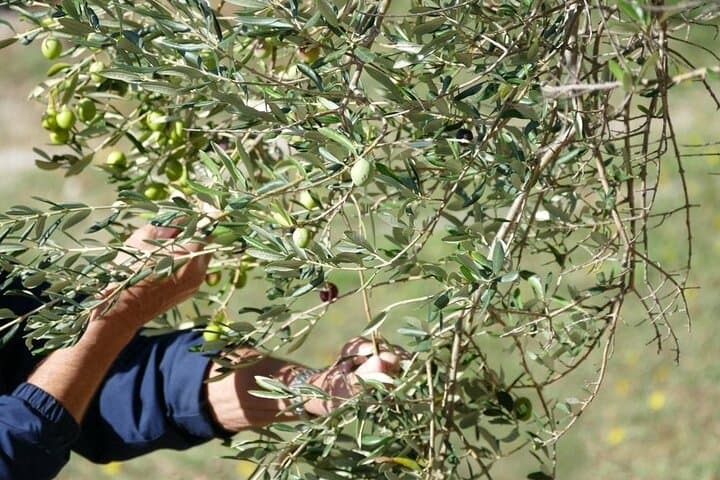
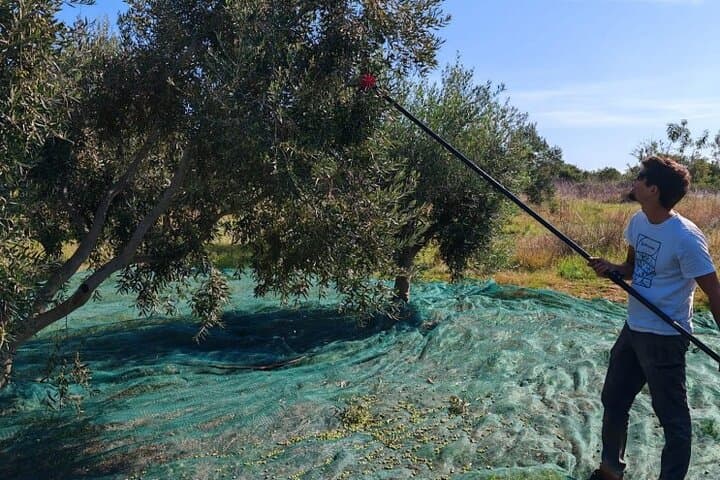
You step out of the shaded lane into a groved slope where silver-green leaves flash in the Adriatic light and the air smells faintly of salt and grass. Hands move between branches—gentle taps, careful combing—and olives roll into nets while a local taster describes the day’s yield. This is less a demonstration than a shared rhythm: harvest, press, taste.
You step out of the shaded lane into a groved slope where silver-green leaves flash in the Adriatic light and the air smells faintly of salt and grass. Hands move between branches—gentle taps, careful combing—and olives roll into nets while a local taster describes the day’s yield. This is less a demonstration than a shared rhythm: harvest, press, taste.
The Dalmatian coast has grown olives for millennia; stone terraces and karst ridges shape small family groves that survived Ottoman pushes and Venetian trade. Geologically, the region’s limestone creates thin soils that stress olive trees—concentrating flavor in the fruit. Culturally, olive oil is as much a social currency here as it is a pantry staple, and meals are designed around what’s fresh that morning.
On this private half-day tour from Zadar you’ll visit a working mill, pick olives in the grove, sample extra-virgin oil with cheese and prosciutto, then follow the road to a small winery and a local kitchen for a sit-down lunch. Expect hands-on instruction from an oil taster, approachable conversation about production methods, and straightforward food—octopus or veal under the bell—cooked over low heat.
Practical notes: wear sturdy shoes for uneven terraces, bring sun protection and a refillable bottle, carry ID for tastings, and allow 4–5 hours. The activity is moderately paced with light standing and walking; it’s ideal for travelers comfortable on short, uneven trails who want both a tactile and culinary connection to Zadar’s countryside.