THE ADVENTURE COLLECTIVE® · Independent discovery and booking for outdoor travel

Make a quick pilgrimage to Haruna Shrine on Mt. Haruna: a compact, guided visit that pairs forested paths and ancient ritual with clear practical guidance for first-time shrine visitors.
Make a quick pilgrimage to Haruna Shrine on Mt. Haruna: a compact, guided visit that pairs forested paths and ancient ritual with clear practical guidance for first-time shrine visitors.
You arrive on a cool mountainside breeze, the scent of cedar and damp earth sharp in the air. A narrow approach road threads through dark forests before the shrine appears among granite outcrops and a shallow, steady river that seems to push visitors forward toward the torii gate.
Verified experiences and guided adventures in the surrounding area.
Operated by Gunma Travel · Takasaki, Gunma
You arrive on a cool mountainside breeze, the scent of cedar and damp earth sharp in the air. A narrow approach road threads through dark forests before the shrine appears among granite outcrops and a shallow, steady river that seems to push visitors forward toward the torii gate.
Haruna Shrine dates to the late 6th century and stands on the slopes of Mount Haruna, one of the three Jōmō peaks that have shaped local belief and pilgrimage for centuries. Geologically the area is an old volcanic caldera—granite boulders and carved rock faces give the approach a rugged, elemental feel. Locals come for hatsumode (first shrine visit of the year) and for ritual blessings seeking good fortune; your guide will explain proper offerings, clapping and bowing etiquette, and the legend tied to Haruna’s guardian deities.
The visit mixes short walks on stone steps with moments of quiet at the main hall and riverside lanterns. The forest can feel alive—stream currents dare you to pause, mossed stones keep secrets of seasons past. In spring, maples push fresh green; autumn paints the slopes; winter brings crisp air and quieter paths.
Practical notes: the tour is short (about an hour on-site) but involves uneven stone steps—sturdy footwear and a light jacket are wise. Go mid-morning to avoid crowds, bring cash for small offerings and shrine charms, and allow extra time if you want photos or to buy a goshuin (temple stamp). The guide handles the etiquette so you can focus on the experience and the landscape.
easy.
1 hour (tour only).
Suitable for all fitness levels; involves short walks and stone steps
The guided portion at the shrine is about 60 minutes; add travel time from Takasaki or Tokyo.
Yes—physical demands are low, but there are stone steps and some uneven ground.
No—your guide will explain how to make offerings, bow, and clap properly during the visit.
Yes; most visitors can purchase omamori (charms) and request a goshuin for an additional small fee in cash.
Haruna Shrine’s origins trace to the late 6th century and it became central to regional rites tied to Mount Haruna’s spiritual status.
The shrine and trails are managed to limit erosion and preserve old-growth cedar; stick to paths and avoid feeding wildlife to support local conservation.
Gunma Travel operates guided outdoor trips and adventures with an emphasis on safety, stewardship, and memorable experiences.
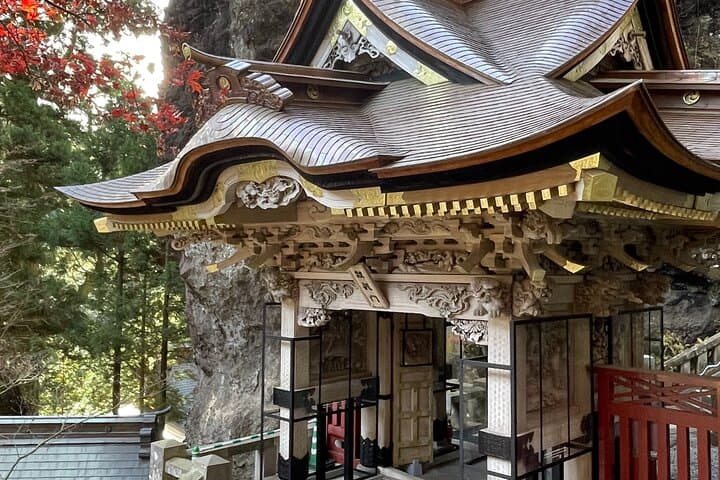
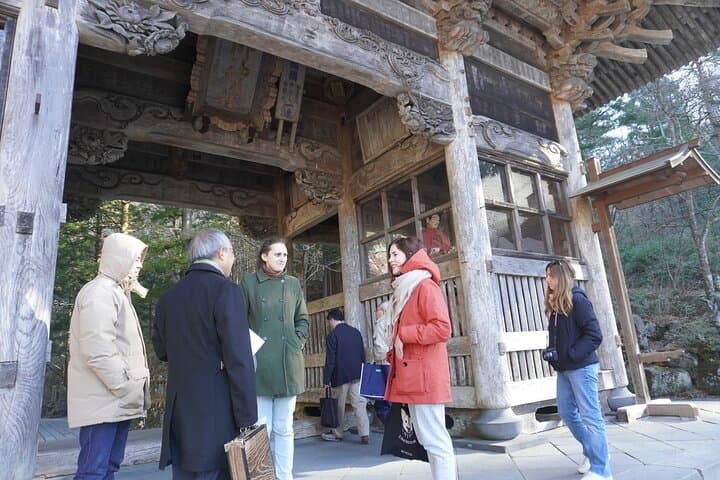
You arrive on a cool mountainside breeze, the scent of cedar and damp earth sharp in the air. A narrow approach road threads through dark forests before the shrine appears among granite outcrops and a shallow, steady river that seems to push visitors forward toward the torii gate.
You arrive on a cool mountainside breeze, the scent of cedar and damp earth sharp in the air. A narrow approach road threads through dark forests before the shrine appears among granite outcrops and a shallow, steady river that seems to push visitors forward toward the torii gate.
Haruna Shrine dates to the late 6th century and stands on the slopes of Mount Haruna, one of the three Jōmō peaks that have shaped local belief and pilgrimage for centuries. Geologically the area is an old volcanic caldera—granite boulders and carved rock faces give the approach a rugged, elemental feel. Locals come for hatsumode (first shrine visit of the year) and for ritual blessings seeking good fortune; your guide will explain proper offerings, clapping and bowing etiquette, and the legend tied to Haruna’s guardian deities.
The visit mixes short walks on stone steps with moments of quiet at the main hall and riverside lanterns. The forest can feel alive—stream currents dare you to pause, mossed stones keep secrets of seasons past. In spring, maples push fresh green; autumn paints the slopes; winter brings crisp air and quieter paths.
Practical notes: the tour is short (about an hour on-site) but involves uneven stone steps—sturdy footwear and a light jacket are wise. Go mid-morning to avoid crowds, bring cash for small offerings and shrine charms, and allow extra time if you want photos or to buy a goshuin (temple stamp). The guide handles the etiquette so you can focus on the experience and the landscape.