THE ADVENTURE COLLECTIVE® · Independent discovery and booking for outdoor travel

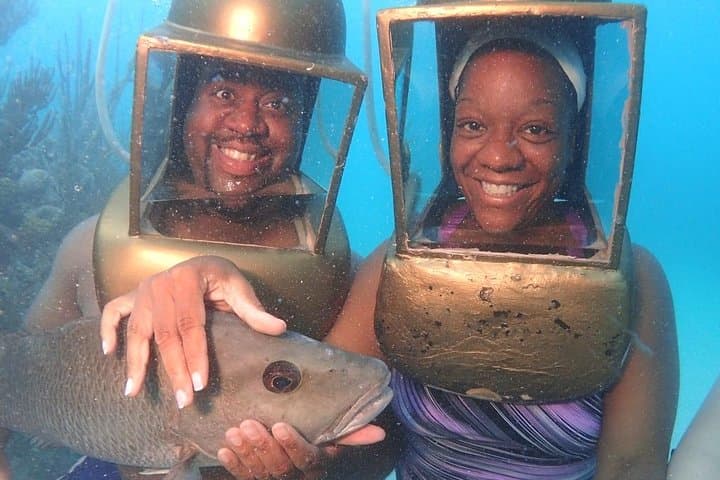
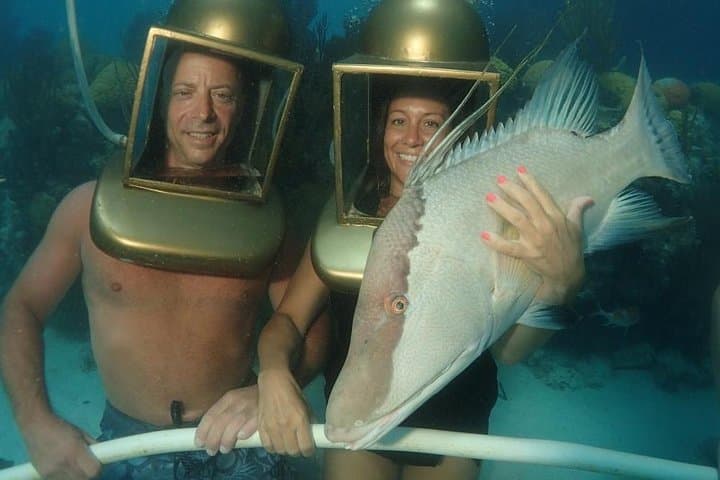
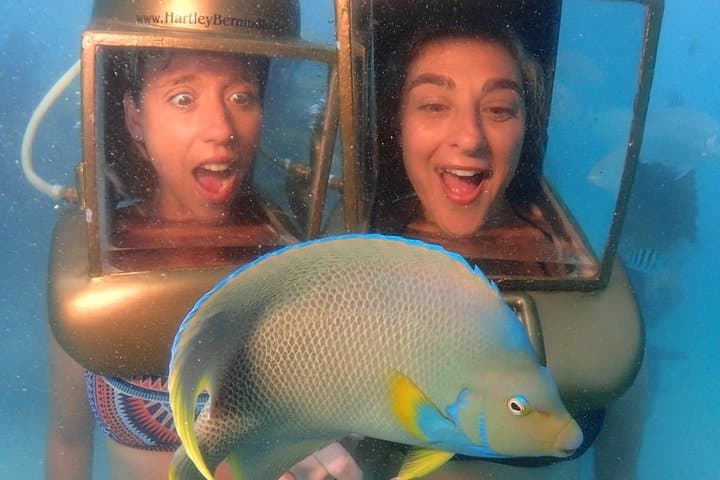
Suit up and walk the reef: Hartley’s helmet dive lets non‑divers breathe and stroll 11–14 feet below the surface to meet angelfish, snapper, and other reef residents. The 3–4 hour outing pairs guided natural history with easy, hands-on interaction.
Suit up and walk the reef: Hartley’s helmet dive lets non‑divers breathe and stroll 11–14 feet below the surface to meet angelfish, snapper, and other reef residents. The 3–4 hour outing pairs guided natural history with easy, hands-on interaction.
Standing on the sun-warmed deck at the Royal Naval Dockyard, the Atlantic breathes cold and clear. A nine‑foot ladder hooks the boat to the water and a Hartley helmet waits — heavy, glass-fronted, like a porthole you step into. Below, reefs slope away in shallow blue; parrotfish nudge corals, and the guide calls out names — Diana, Charles, Donald — introducing old friends.
Verified experiences and guided adventures in the surrounding area.
Operated by Hartley's Helmet Diving · Royal Naval Dockyard, Sandys Parish
Standing on the sun-warmed deck at the Royal Naval Dockyard, the Atlantic breathes cold and clear. A nine‑foot ladder hooks the boat to the water and a Hartley helmet waits — heavy, glass-fronted, like a porthole you step into. Below, reefs slope away in shallow blue; parrotfish nudge corals, and the guide calls out names — Diana, Charles, Donald — introducing old friends.
Bermuda’s reefs are built on ancient limestone and coral growth atop an isolated seamount, shaped by ship traffic and centuries of maritime trade around the Dockyard. The naval base dates to the early 19th century; currents here have long guided sailors. Local culture blends British and island influences; operators like Hartley run undersea walks that pair biology lessons with hands-on encounters.
Expect a guided 30–40 minute helmet dive in 11–14 feet of water during a 3–4 hour tour. You’ll descend a ladder, step on sand, and hold a PVC grab-bar while the guide points out fish species and reef features; wetsuits and hot chocolate are provided when water is under 80°F. Mobility needs are modest — walking underwater is easier than on land, but the ladder and steady footing matter. Cameras and GoPros are allowed; optional photos and a short video are available for purchase. Bring a bathing suit, towel, seasickness meds if prone to roll, and a light change of clothes. Book ahead during cruise season; check medical restrictions for heart or respiratory conditions. Arrive early for orientation and secure storage for your valuables on board.
easy.
3–4 hours.
Minimal fitness required — must be able to descend a ladder, stand and walk in shallow water for 30–40 minutes.
Minimum age is 5 years; children should be able to follow instructions and be comfortable descending a short ladder.
Yes — the helmet keeps your head dry and you walk on the sandy bottom, but you must be able to climb the ladder and hold the grab-bar.
Yes — glasses and contacts are fine inside the helmet; many guests wear their prescription glasses under the helmet.
Underwater photos and a short video are optional for an extra fee (typically around $25 per person); personal cameras/GoPros are permitted.
The Royal Naval Dockyard has been a strategic British base since the early 1800s and shaped Bermuda’s maritime economy.
Bermuda’s reefs are fragile; guides emphasize no-touch policies for coral — interact only with trained fish and avoid disturbing reef structure.
Hartley's Helmet Diving operates guided outdoor trips and adventures with an emphasis on safety, stewardship, and memorable experiences.

Standing on the sun-warmed deck at the Royal Naval Dockyard, the Atlantic breathes cold and clear. A nine‑foot ladder hooks the boat to the water and a Hartley helmet waits — heavy, glass-fronted, like a porthole you step into. Below, reefs slope away in shallow blue; parrotfish nudge corals, and the guide calls out names — Diana, Charles, Donald — introducing old friends.
Standing on the sun-warmed deck at the Royal Naval Dockyard, the Atlantic breathes cold and clear. A nine‑foot ladder hooks the boat to the water and a Hartley helmet waits — heavy, glass-fronted, like a porthole you step into. Below, reefs slope away in shallow blue; parrotfish nudge corals, and the guide calls out names — Diana, Charles, Donald — introducing old friends.
Bermuda’s reefs are built on ancient limestone and coral growth atop an isolated seamount, shaped by ship traffic and centuries of maritime trade around the Dockyard. The naval base dates to the early 19th century; currents here have long guided sailors. Local culture blends British and island influences; operators like Hartley run undersea walks that pair biology lessons with hands-on encounters.
Expect a guided 30–40 minute helmet dive in 11–14 feet of water during a 3–4 hour tour. You’ll descend a ladder, step on sand, and hold a PVC grab-bar while the guide points out fish species and reef features; wetsuits and hot chocolate are provided when water is under 80°F. Mobility needs are modest — walking underwater is easier than on land, but the ladder and steady footing matter. Cameras and GoPros are allowed; optional photos and a short video are available for purchase. Bring a bathing suit, towel, seasickness meds if prone to roll, and a light change of clothes. Book ahead during cruise season; check medical restrictions for heart or respiratory conditions. Arrive early for orientation and secure storage for your valuables on board.