THE ADVENTURE COLLECTIVE® · Independent discovery and booking for outdoor travel

Spend a day at the Elephant Sanctuary near Hartbeespoort Dam to feed, brush and walk trunk-in-hand with rescued African elephants. This 6–7 hour tour from Johannesburg or Pretoria pairs close encounters with clear animal welfare practices and grounded local context.
Spend a day at the Elephant Sanctuary near Hartbeespoort Dam to feed, brush and walk trunk-in-hand with rescued African elephants. This 6–7 hour tour from Johannesburg or Pretoria pairs close encounters with clear animal welfare practices and grounded local context.
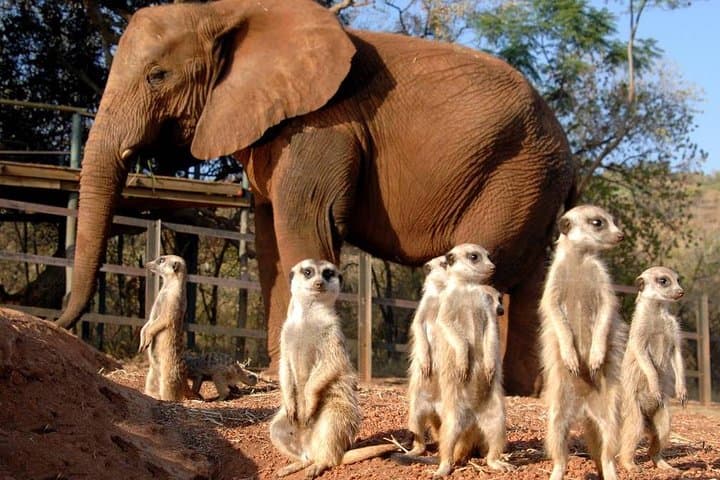
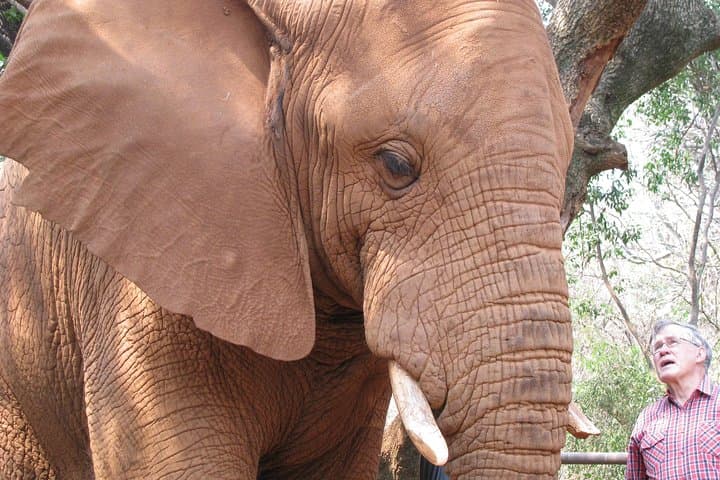
A low morning sun slants between the Magaliesberg ridges as the minivan climbs toward Hartbeespoort Dam and the scent of grass and earth sharpens. At the Elephant Sanctuary, the first trunks appear like slow, curious questions — reaching for treats, nudging hands, testing trust. The program centers on rewarded-based interactions: feeding, gentle brushing, and a guided walk where elephants and humans move side by side along shaded paths and paddocks.
Verified experiences and guided adventures in the surrounding area.
Operated by Mmilo Tours · Hartbeespoort, North West
A low morning sun slants between the Magaliesberg ridges as the minivan climbs toward Hartbeespoort Dam and the scent of grass and earth sharpens. At the Elephant Sanctuary, the first trunks appear like slow, curious questions — reaching for treats, nudging hands, testing trust. The program centers on rewarded-based interactions: feeding, gentle brushing, and a guided walk where elephants and humans move side by side along shaded paths and paddocks.
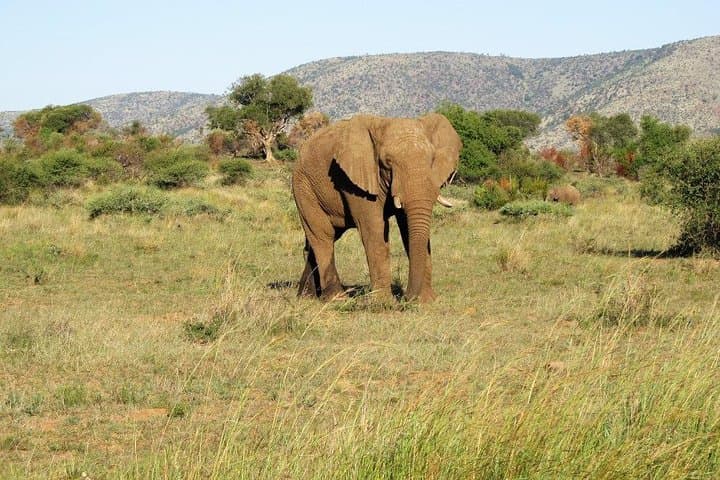
The Magaliesberg is one of the planet’s oldest mountain ranges; its banded quartzite and dolomite cliffs frame the dam and the Crocodile River gorge below. The sanctuary sits where highveld meets bushveld, a transitional landscape that shaped both local rural culture and early Boer and Tswana travel routes. Staff emphasize education and the rehabilitation history: rescued African elephants (Loxodonta africana) that have been socialized through consistent, reward-driven techniques rather than coercion.
For visitors the day is structured and approachable — no prior experience required — but the practicalities matter. Wear closed-toe shoes for uneven ground and bring a light layer for the morning cool that can become hot midday. Hydrate before and after the walk; handlers will brief guests on safe approach and hand positions around trunks and ears. Cameras are welcome but keep flashes off and movement slow.
Whether you travel from Johannesburg or Pretoria, expect a 6–7 hour round trip with about two hours at the sanctuary. The experience balances up-close wildlife connection with clear animal welfare practices, making it suitable for families and first-time elephant encounters.
easy.
6–7 hours.
Suitable for most fitness levels; involves standing, short walking and occasional steps over uneven ground
The on-site elephant program is about two to three hours, typically including briefing, feeding or brushing sessions, a guided walk and a tour of overnight quarters.
Yes — the sanctuary operates family-friendly protocols; children must be supervised and handlers will set age-appropriate tasks and safe distances.
Generally yes; interactions are guest-driven within handler guidelines, including supervised touching, feeding and brushing when the animals are receptive.
Yes — the tour includes hotel pickup and drop-off by air-conditioned minivan from specified locations in Johannesburg and Pretoria.
The Magaliesberg range is over 2.5 billion years old and the Hartbeespoort Dam was constructed in the early 20th century, shaping local agriculture and tourism.
The sanctuary focuses on reward-based training and rehabilitation; visitors are encouraged to follow strict guidelines to minimize stress on the elephants and reduce environmental impact.
Mmilo Tours operates guided outdoor trips and adventures with an emphasis on safety, stewardship, and memorable experiences.

A low morning sun slants between the Magaliesberg ridges as the minivan climbs toward Hartbeespoort Dam and the scent of grass and earth sharpens. At the Elephant Sanctuary, the first trunks appear like slow, curious questions — reaching for treats, nudging hands, testing trust. The program centers on rewarded-based interactions: feeding, gentle brushing, and a guided walk where elephants and humans move side by side along shaded paths and paddocks.
A low morning sun slants between the Magaliesberg ridges as the minivan climbs toward Hartbeespoort Dam and the scent of grass and earth sharpens. At the Elephant Sanctuary, the first trunks appear like slow, curious questions — reaching for treats, nudging hands, testing trust. The program centers on rewarded-based interactions: feeding, gentle brushing, and a guided walk where elephants and humans move side by side along shaded paths and paddocks.
The Magaliesberg is one of the planet’s oldest mountain ranges; its banded quartzite and dolomite cliffs frame the dam and the Crocodile River gorge below. The sanctuary sits where highveld meets bushveld, a transitional landscape that shaped both local rural culture and early Boer and Tswana travel routes. Staff emphasize education and the rehabilitation history: rescued African elephants (Loxodonta africana) that have been socialized through consistent, reward-driven techniques rather than coercion.
For visitors the day is structured and approachable — no prior experience required — but the practicalities matter. Wear closed-toe shoes for uneven ground and bring a light layer for the morning cool that can become hot midday. Hydrate before and after the walk; handlers will brief guests on safe approach and hand positions around trunks and ears. Cameras are welcome but keep flashes off and movement slow.
Whether you travel from Johannesburg or Pretoria, expect a 6–7 hour round trip with about two hours at the sanctuary. The experience balances up-close wildlife connection with clear animal welfare practices, making it suitable for families and first-time elephant encounters.