THE ADVENTURE COLLECTIVE® · Independent discovery and booking for outdoor travel

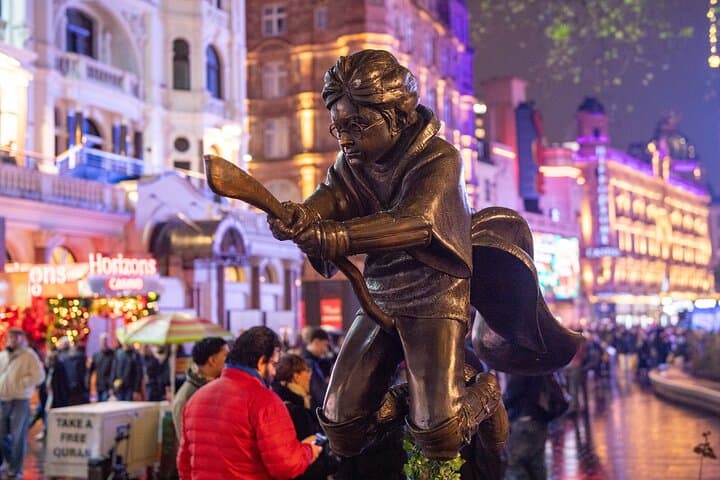
Walk central London with a guide who points out the real streets and market corners that doubled for Diagon Alley, the Ministry of Magic and more. This 3–4 hour tour blends film trivia with history and practical local tips for a family-friendly city adventure.
Walk central London with a guide who points out the real streets and market corners that doubled for Diagon Alley, the Ministry of Magic and more. This 3–4 hour tour blends film trivia with history and practical local tips for a family-friendly city adventure.
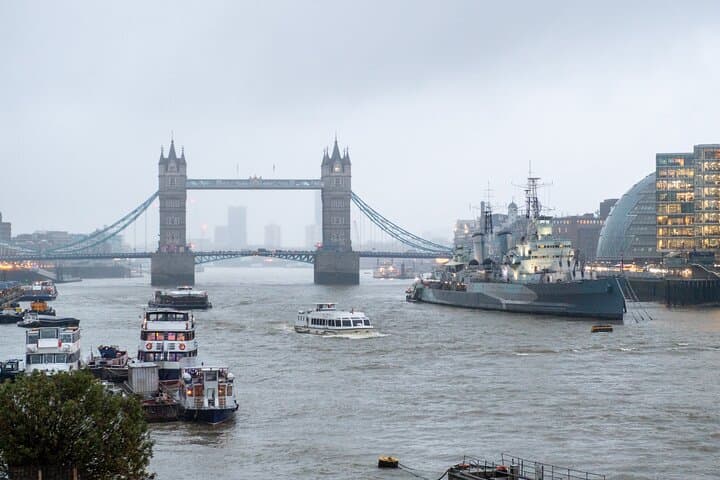
You step out of King's Cross into a buzz of commuters and camera clicks; a guide in a tweed jacket folds back a map and points to an invisible train that begins at Platform 9¾. For three to four hours the city loosens its formal coat—alleyways, markets and bridges become scenes from a film, and the Thames keeps time beneath the towers and cranes.
Verified experiences and guided adventures in the surrounding area.
Operated by See All The Sights · London, England
You step out of King's Cross into a buzz of commuters and camera clicks; a guide in a tweed jacket folds back a map and points to an invisible train that begins at Platform 9¾. For three to four hours the city loosens its formal coat—alleyways, markets and bridges become scenes from a film, and the Thames keeps time beneath the towers and cranes.
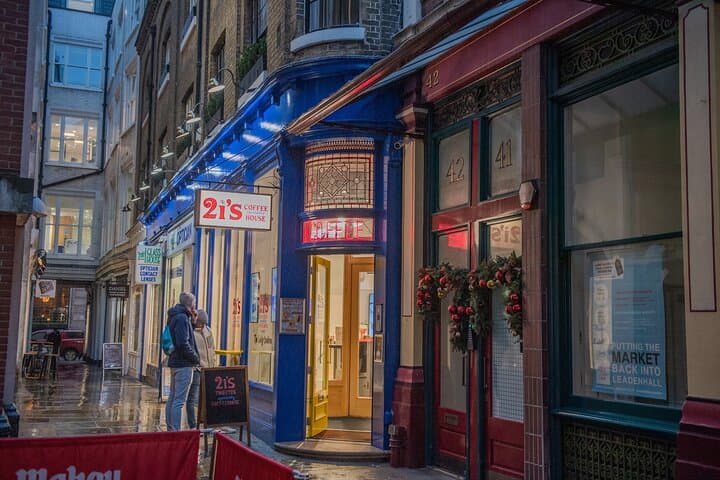
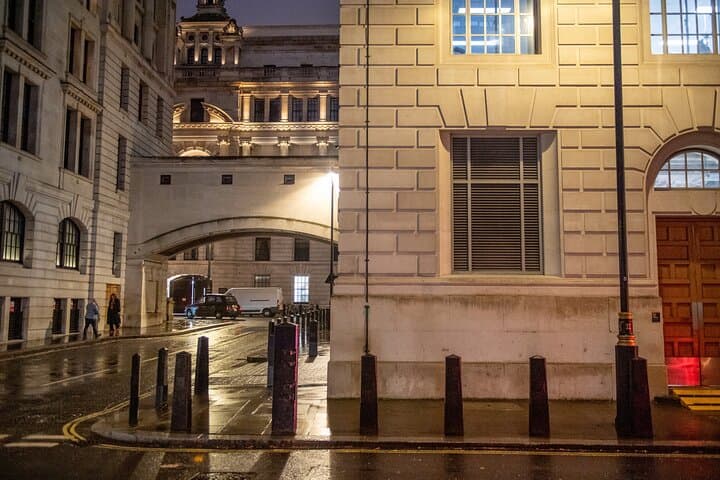
London's streets carry layers of history: Roman roads beneath cobbles, medieval markets rebuilt after the Great Fire of 1666, and the River Thames cutting through London clay that shaped where bridges and docks could rise. Filmmakers used that urban texture—Victorian ironwork at Leadenhall Market, the modern lines of the Millennium Bridge, and the stone façades around St Paul’s—to suggest wizarding places without leaving the city.
Culture in motion is part of the route: Borough Market’s food stalls, theatrical posters on Shaftesbury Avenue, and the ceremonial choreography at Horse Guards Parade. Guides blend on-set anecdotes with broader context—why the Monument marks a turning point in urban planning, or how Trafalgar Square became a public stage.
Practical side: expect 3–4 hours of mostly paved walking with short stair sections; bring comfortable shoes, a rain layer and an Oyster or contactless card for easy return travel. Mornings are quieter; late afternoons bring both golden light and heavier crowds. The tour suits families and fans who want film lore tied tightly to real London—bring a charged phone for photos, and leave room to explore Borough Market or a tucked-away churchyard after the walk.
moderate.
3–4 hours.
Moderate level of fitness — able to walk 3–4 hours with short breaks and climb stairs
Meet at King's Cross Station (near the Platform 9¾ sign); the walk finishes on Shaftesbury Avenue by the Palace Theatre.
Yes—kids go free and the guide tailors stories for families, though the route involves multiple city blocks and some stairs.
Many parts are accessible but there are areas with stairs and uneven surfaces; contact the operator in advance to discuss accommodations.
Full refund if cancelled at least 24 hours before departure; check your booking confirmation for specifics.
Many stops sit on streets rebuilt after the Great Fire of 1666; modern landmarks like The Shard contrast with centuries of urban layers.
High foot traffic can stress historic surfaces—stay on pathways, avoid climbing monuments and carry out any litter to protect these sites.
See All The Sights operates guided outdoor trips and adventures with an emphasis on safety, stewardship, and memorable experiences.
You step out of King's Cross into a buzz of commuters and camera clicks; a guide in a tweed jacket folds back a map and points to an invisible train that begins at Platform 9¾. For three to four hours the city loosens its formal coat—alleyways, markets and bridges become scenes from a film, and the Thames keeps time beneath the towers and cranes.
You step out of King's Cross into a buzz of commuters and camera clicks; a guide in a tweed jacket folds back a map and points to an invisible train that begins at Platform 9¾. For three to four hours the city loosens its formal coat—alleyways, markets and bridges become scenes from a film, and the Thames keeps time beneath the towers and cranes.
London's streets carry layers of history: Roman roads beneath cobbles, medieval markets rebuilt after the Great Fire of 1666, and the River Thames cutting through London clay that shaped where bridges and docks could rise. Filmmakers used that urban texture—Victorian ironwork at Leadenhall Market, the modern lines of the Millennium Bridge, and the stone façades around St Paul’s—to suggest wizarding places without leaving the city.
Culture in motion is part of the route: Borough Market’s food stalls, theatrical posters on Shaftesbury Avenue, and the ceremonial choreography at Horse Guards Parade. Guides blend on-set anecdotes with broader context—why the Monument marks a turning point in urban planning, or how Trafalgar Square became a public stage.
Practical side: expect 3–4 hours of mostly paved walking with short stair sections; bring comfortable shoes, a rain layer and an Oyster or contactless card for easy return travel. Mornings are quieter; late afternoons bring both golden light and heavier crowds. The tour suits families and fans who want film lore tied tightly to real London—bring a charged phone for photos, and leave room to explore Borough Market or a tucked-away churchyard after the walk.