THE ADVENTURE COLLECTIVE® · Independent discovery and booking for outdoor travel

Walk the streets and cloisters where Harry Potter was filmed: Lacock Village’s medieval lanes and Gloucester Cathedral’s vaulted halls come alive on this full-day guided tour. Expect authentic architecture, manageable walking, and cinematic history.
Walk the streets and cloisters where Harry Potter was filmed: Lacock Village’s medieval lanes and Gloucester Cathedral’s vaulted halls come alive on this full-day guided tour. Expect authentic architecture, manageable walking, and cinematic history.
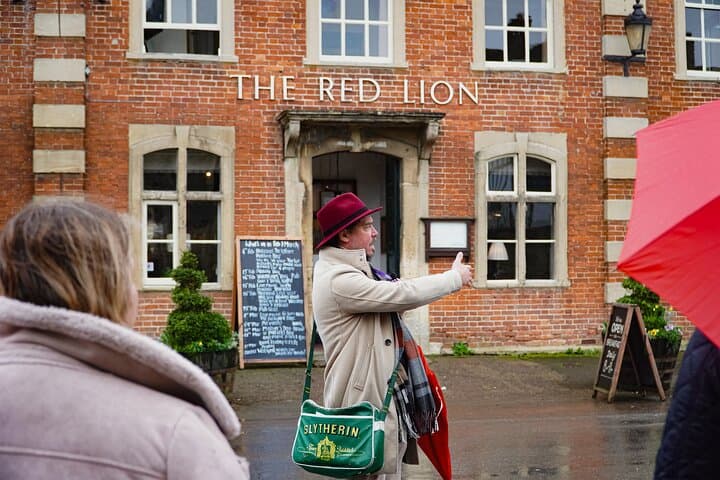
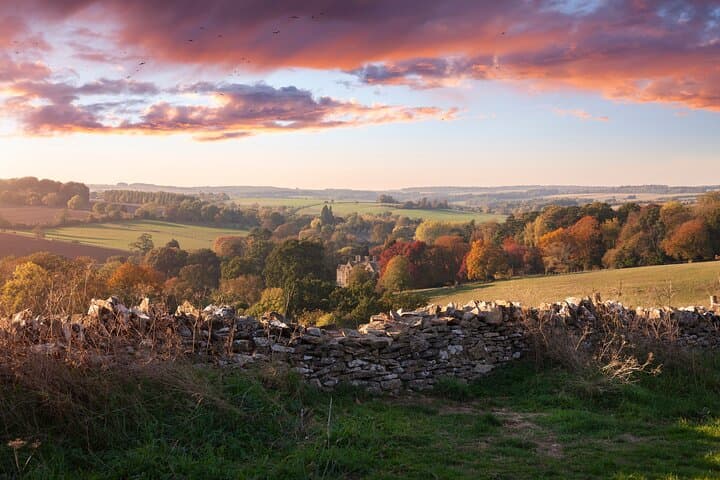
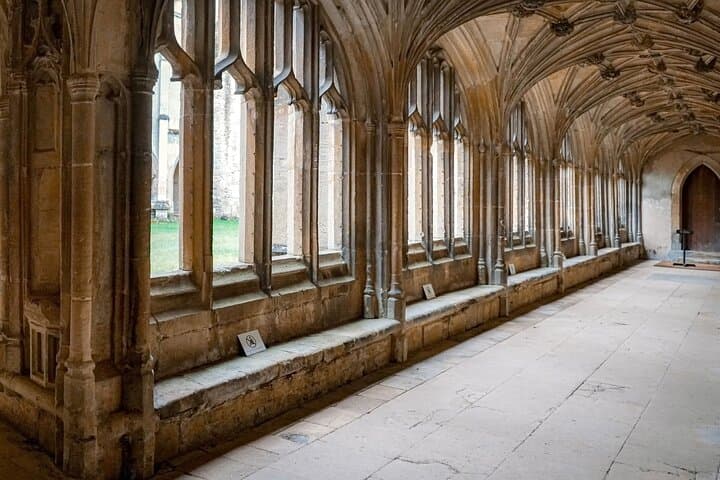
On a damp English morning the coach eases out of London and the countryside opens: low hedgerows, stone walls, and lanes that seem to slow time. You step into Lacock Village—narrow streets lined with black-and-white timber and mellow Cotswold stone—where cobbles and doorways still read like pages from a film set. The abbey’s cloisters whisper of monks and nuns; on film they became Hogwarts’ corridors.
Verified experiences and guided adventures in the surrounding area.
Operated by Evan Evans Tours · Lacock, Wiltshire
On a damp English morning the coach eases out of London and the countryside opens: low hedgerows, stone walls, and lanes that seem to slow time. You step into Lacock Village—narrow streets lined with black-and-white timber and mellow Cotswold stone—where cobbles and doorways still read like pages from a film set. The abbey’s cloisters whisper of monks and nuns; on film they became Hogwarts’ corridors.
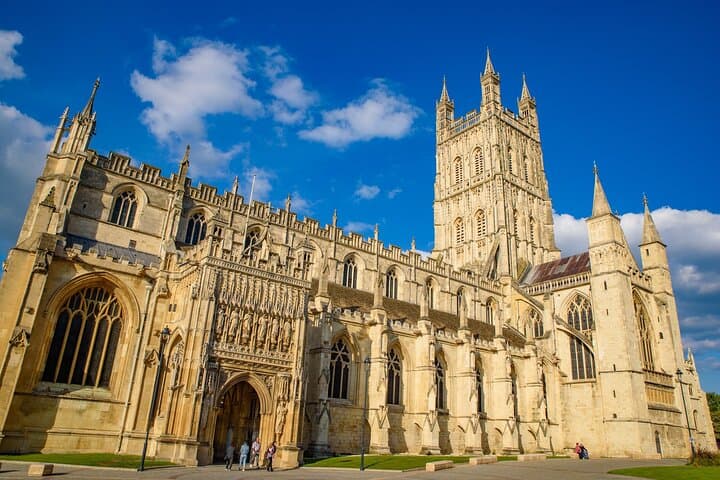
Lacock Abbey began life in the 13th century as an Augustinian nunnery before evolving into a private house with medieval cloisters and later a hub for early photography thanks to William Henry Fox Talbot. Geologically, the Cotswolds’ oolitic limestone gives buildings their warm honey color and creates the gently rolling landscape that frames village scenes. Gloucester Cathedral, with its soaring Gothic vaults and carved stone, offers a contrasting drama—vaults that funnel light and shadow the way a director frames a scene.
Culturally the route ties rural Wiltshire life to England’s cinematic imagination: village pubs, old parish churches, and working farms cluster close to the sites you’ll walk through.
Practical guidance: the full day runs about 10 hours with guided entries to Lacock Abbey and Gloucester Cathedral; expect moderate walking on uneven stone and short stairs in historic buildings. Wear grippy shoes and a lightweight waterproof—weather can flip quickly. Bring a camera and a charged power bank; audio headsets are provided for commentary. Public transport options exist nearby, but this itinerary is best experienced on a guided small-group vehicle to make the most of timed entries and local context.
moderate.
10 hours.
Suitable for travelers with moderate fitness; includes standing, walking up to a few miles on uneven surfaces, and short stair climbs.
The tour is approximately 10 hours and includes coach transport, expert guide commentary, entry to Lacock Abbey and Gloucester Cathedral, and a personal audio headset.
Yes—families are welcome, but the itinerary involves several hours of walking and some narrow stairways; check age recommendations with the operator.
This tour offers full refunds if cancelled at least 24 hours before departure; last-minute cancellations are non-refundable.
Photography is generally allowed in many public areas, but follow any onsite restrictions—flash or tripods may be prohibited in sensitive interiors.
Lacock Abbey was founded in the early 13th century as an Augustinian nunnery and later transformed into a private residence; its cloisters and courtyards were used in multiple Harry Potter films.
These heritage sites are actively conserved—stay on marked paths, avoid touching delicate stonework, and consider supporting local preservation funds or donations.
Evan Evans Tours operates guided outdoor trips and adventures with an emphasis on safety, stewardship, and memorable experiences.
On a damp English morning the coach eases out of London and the countryside opens: low hedgerows, stone walls, and lanes that seem to slow time. You step into Lacock Village—narrow streets lined with black-and-white timber and mellow Cotswold stone—where cobbles and doorways still read like pages from a film set. The abbey’s cloisters whisper of monks and nuns; on film they became Hogwarts’ corridors.
On a damp English morning the coach eases out of London and the countryside opens: low hedgerows, stone walls, and lanes that seem to slow time. You step into Lacock Village—narrow streets lined with black-and-white timber and mellow Cotswold stone—where cobbles and doorways still read like pages from a film set. The abbey’s cloisters whisper of monks and nuns; on film they became Hogwarts’ corridors.
Lacock Abbey began life in the 13th century as an Augustinian nunnery before evolving into a private house with medieval cloisters and later a hub for early photography thanks to William Henry Fox Talbot. Geologically, the Cotswolds’ oolitic limestone gives buildings their warm honey color and creates the gently rolling landscape that frames village scenes. Gloucester Cathedral, with its soaring Gothic vaults and carved stone, offers a contrasting drama—vaults that funnel light and shadow the way a director frames a scene.
Culturally the route ties rural Wiltshire life to England’s cinematic imagination: village pubs, old parish churches, and working farms cluster close to the sites you’ll walk through.
Practical guidance: the full day runs about 10 hours with guided entries to Lacock Abbey and Gloucester Cathedral; expect moderate walking on uneven stone and short stairs in historic buildings. Wear grippy shoes and a lightweight waterproof—weather can flip quickly. Bring a camera and a charged power bank; audio headsets are provided for commentary. Public transport options exist nearby, but this itinerary is best experienced on a guided small-group vehicle to make the most of timed entries and local context.