THE ADVENTURE COLLECTIVE® · Independent discovery and booking for outdoor travel

Step into New York’s Theater District for Harry Potter and the Cursed Child, a technically ambitious stage production based on a new story by J.K. Rowling, Jack Thorne and John Tiffany. This guide covers what to expect, practical tips, and essential booking details for a smooth theater night.
Step into New York’s Theater District for Harry Potter and the Cursed Child, a technically ambitious stage production based on a new story by J.K. Rowling, Jack Thorne and John Tiffany. This guide covers what to expect, practical tips, and essential booking details for a smooth theater night.
A hush settles before the curtain; the theater's lights thin to a sliver and the air takes on the brisk focus of performance. In the heart of Manhattan’s Theater District, audiences trade city noise for the careful mechanics of stagecraft — ropes, cues and the collective inhalation that precedes a spellbinding scene.
Verified experiences and guided adventures in the surrounding area.
Operated by Broadway Inbound · New York, NY
A hush settles before the curtain; the theater's lights thin to a sliver and the air takes on the brisk focus of performance. In the heart of Manhattan’s Theater District, audiences trade city noise for the careful mechanics of stagecraft — ropes, cues and the collective inhalation that precedes a spellbinding scene.
Harry Potter and the Cursed Child is staged from a new story by J.K. Rowling, Jack Thorne and John Tiffany, and stands as the eighth official story in the Harry Potter canon. On Broadway, the production sits within a long lineage of New York theater: gilded auditoriums built in the early 20th century, a culture of repertory and commercial shows, and a block-by-block evolution that turned 42nd Street into a global performance hub.
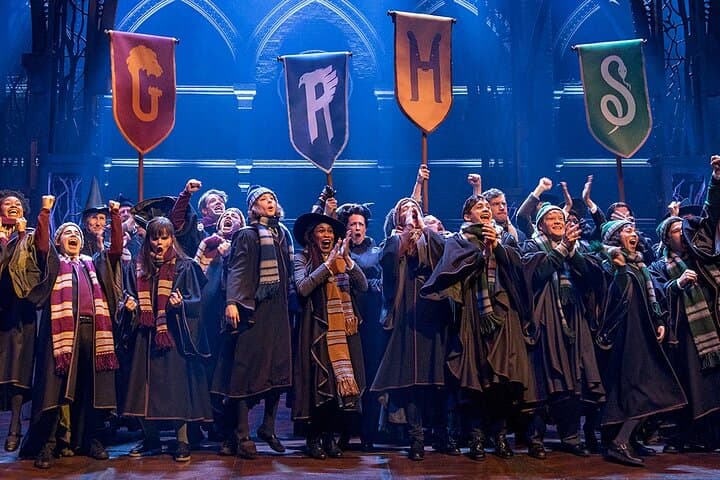
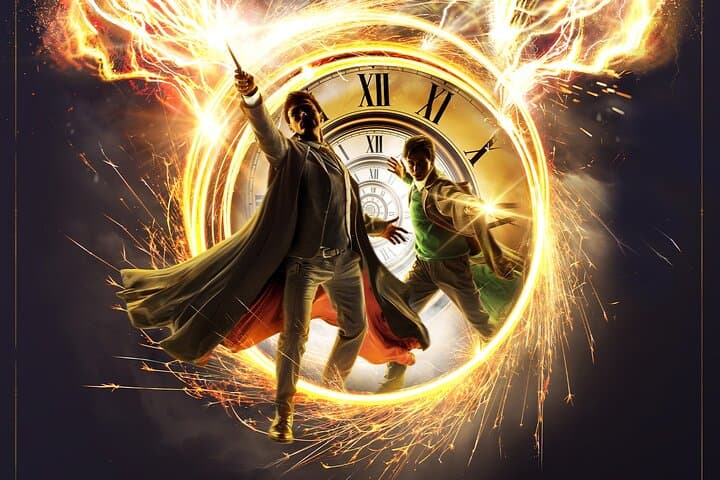
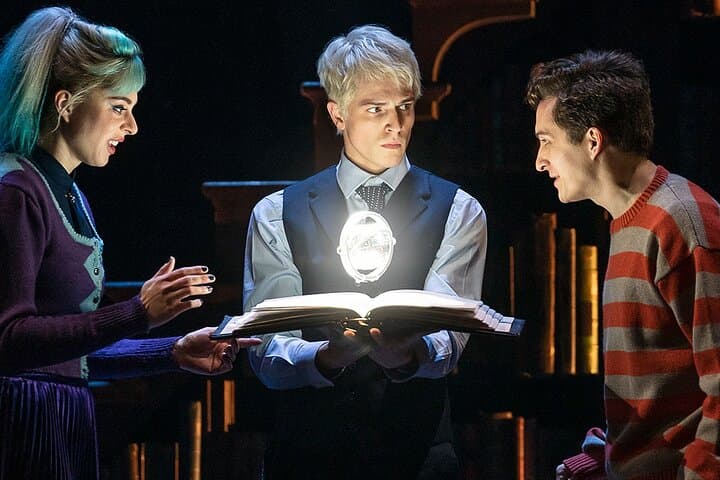
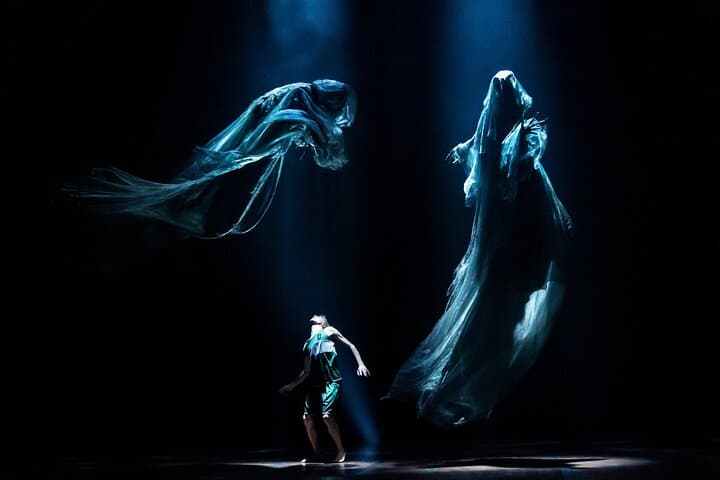
Expect a technically ambitious production — quick set changes, tight choreography and smoke-and-light effects that demand attention rather than silence. The city around the theater is its own geological story: layered stone and steel rising where 19th-century brownstones once stood, now feeding the energy that funnels audiences into the lobby.
Practical notes are straightforward. The run time is approximately 175 minutes; mobile or paper tickets are accepted, and best-available seats are assigned by the theater at purchase. Photo ID is required for patrons 18+, children under 4 are not permitted, and accessibility seating is available with advance notice. Arrive early to pass security, use nearby subway lines to avoid traffic, and store large bags — the show moves fast and the house keeps its pace.
For visitors, the reward is the combination of big-stage magic and urban theatercraft: a layered, sensory evening that privileges timing, respect for the performance and simple logistical prep.
easy.
2–3 hours.
No special fitness required; patrons should be able to climb a short flight of stairs and remain seated for the performance.
The run time is approximately 175 minutes; check your ticket for exact start time and any scheduled intermission.
The production is recommended for ages 10+; children under age 4 are not permitted in the theatre.
Large bags may be restricted for security; outside food and drink are usually not permitted—store items in your hotel or leave them at home.
All sales are final with no refunds available; tickets are delivered no later than two weeks prior to the performance.
Broadway’s Theater District developed around the turn of the 20th century as theaters clustered near Times Square; modern productions continue that legacy in updated historic houses.
Theater venues increasingly use digital tickets and partner with local transit to reduce paper waste and car travel; opt for public transit and reusable items when possible.
Broadway Inbound operates guided outdoor trips and adventures with an emphasis on safety, stewardship, and memorable experiences.
A hush settles before the curtain; the theater's lights thin to a sliver and the air takes on the brisk focus of performance. In the heart of Manhattan’s Theater District, audiences trade city noise for the careful mechanics of stagecraft — ropes, cues and the collective inhalation that precedes a spellbinding scene.
A hush settles before the curtain; the theater's lights thin to a sliver and the air takes on the brisk focus of performance. In the heart of Manhattan’s Theater District, audiences trade city noise for the careful mechanics of stagecraft — ropes, cues and the collective inhalation that precedes a spellbinding scene.
Harry Potter and the Cursed Child is staged from a new story by J.K. Rowling, Jack Thorne and John Tiffany, and stands as the eighth official story in the Harry Potter canon. On Broadway, the production sits within a long lineage of New York theater: gilded auditoriums built in the early 20th century, a culture of repertory and commercial shows, and a block-by-block evolution that turned 42nd Street into a global performance hub.
Expect a technically ambitious production — quick set changes, tight choreography and smoke-and-light effects that demand attention rather than silence. The city around the theater is its own geological story: layered stone and steel rising where 19th-century brownstones once stood, now feeding the energy that funnels audiences into the lobby.
Practical notes are straightforward. The run time is approximately 175 minutes; mobile or paper tickets are accepted, and best-available seats are assigned by the theater at purchase. Photo ID is required for patrons 18+, children under 4 are not permitted, and accessibility seating is available with advance notice. Arrive early to pass security, use nearby subway lines to avoid traffic, and store large bags — the show moves fast and the house keeps its pace.
For visitors, the reward is the combination of big-stage magic and urban theatercraft: a layered, sensory evening that privileges timing, respect for the performance and simple logistical prep.