THE ADVENTURE COLLECTIVE® · Independent discovery and booking for outdoor travel

Walk where rivers, industry, and American history intersect. This guided three-hour tour moves from Bolivar Heights to Lower Town, bringing Civil War strategy, abolitionist history, and local geology to life.
Walk where rivers, industry, and American history intersect. This guided three-hour tour moves from Bolivar Heights to Lower Town, bringing Civil War strategy, abolitionist history, and local geology to life.
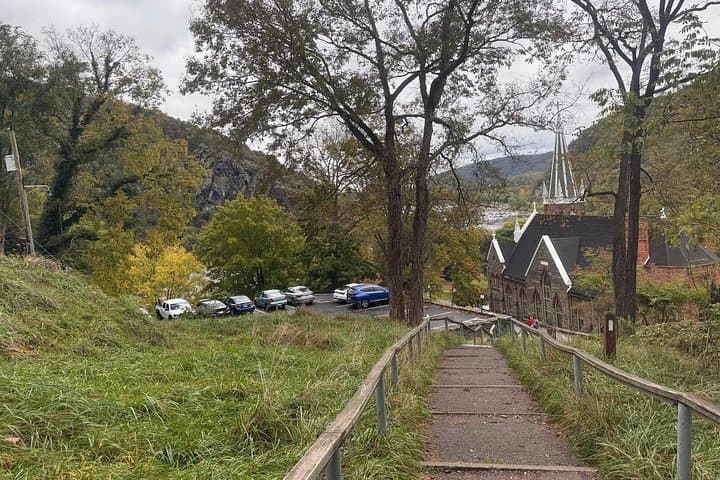
The first view comes at the edge of the Visitors Center parking lot: a steep sweep of sky where the Potomac and Shenandoah meet, and the town below gathers along brick streets and river stone. A guide leads the group through a layered landscape — river-curved streets, red-brick industrial ruins, and the short climb to Bolivar Heights that lets the wind press against your face.
Verified experiences and guided adventures in the surrounding area.
Operated by Apex travel corp · Harpers Ferry, West Virginia
The first view comes at the edge of the Visitors Center parking lot: a steep sweep of sky where the Potomac and Shenandoah meet, and the town below gathers along brick streets and river stone. A guide leads the group through a layered landscape — river-curved streets, red-brick industrial ruins, and the short climb to Bolivar Heights that lets the wind press against your face.
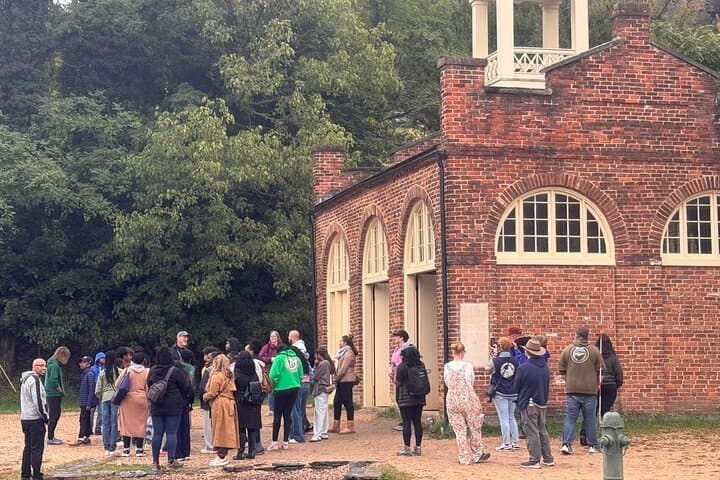
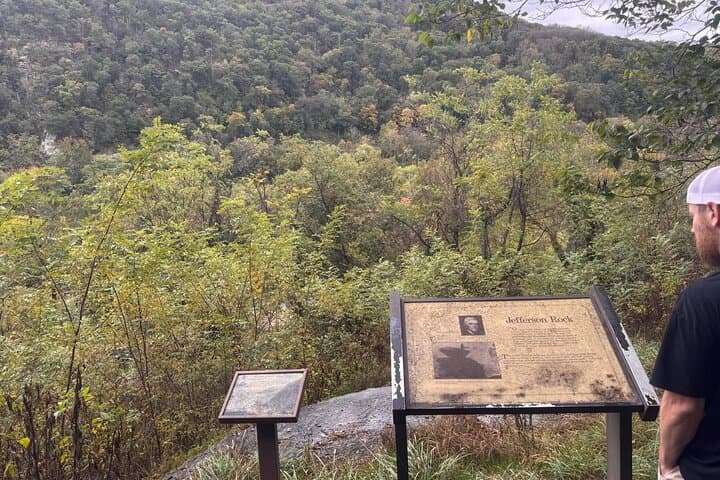
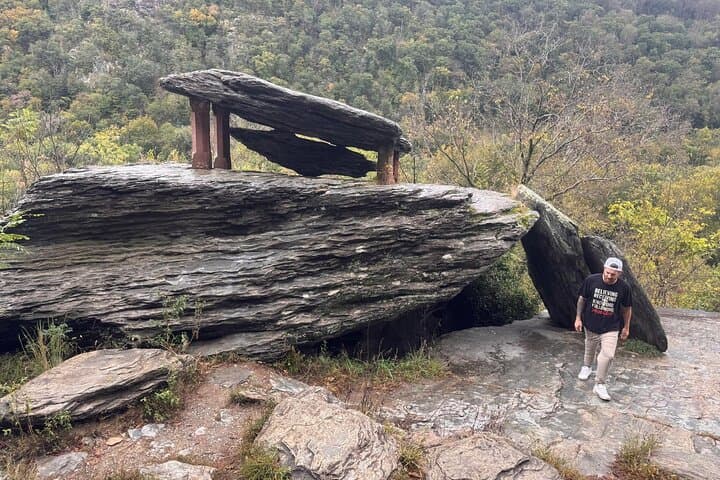
Harpers Ferry is small but historically dense. Here George Washington and Thomas Jefferson observed industry and scenery, Meriwether Lewis prepared for westward exploration, and John Brown's raid and Civil War maneuvers left visible scars. Storer College and the Niagara Movement tie the town to African American education and civil rights. The bedrock is Ordovician limestone and shale; the rivers carved the narrow gorge that made this location strategically and industrially important.
Expect a mix of paved sidewalks, historic steps, short dirt paths, and a brief uphill (roughly 150–250 feet of elevation change at Bolivar Heights). The tour uses short drives and walking segments totaling about 1–2 miles on foot over three hours, ending in historic Lower Town where museums and shops await.
Plan practicalities: start and end at the Harpers Ferry Visitors Center, wear supportive footwear for uneven stone and steps, and bring layers — river valleys move fast between sun and shade. Early morning or late afternoon tours dodge mid-day crowds and reveal long shadows on the river. The guide supplies context that turns bricks, fences, and river bends into stories worth lingering over.
easy.
3 hours.
Suitable for most fitness levels; involves 1–2 miles of walking with short uphill sections and some standing.
The tour lasts about three hours and includes roughly 1–2 miles of walking with several stops; some short uphill sections (Bolivar Heights) are part of the route.
Lower Town and many paths are stroller-friendly, and the tour is labeled physically easy, but some historic steps and short dirt segments may limit full wheelchair access—contact the operator for specifics.
Meet at the Harpers Ferry National Historical Park Visitors Center; the tour typically returns there after finishing in Lower Town.
Yes — the guided portion ends in Lower Town, where you can explore museums, historic buildings, and local shops on your own.
Harpers Ferry became strategically important because the rivers and a federal armory concentrated industry and transport, making it the stage for John Brown’s 1859 raid and multiple Civil War engagements.
The National Historical Park balances preservation of historic structures with river corridor stewardship; stick to trails, pack out trash, and avoid disturbing shoreline vegetation to protect cultural and ecological resources.
Apex travel corp operates guided outdoor trips and adventures with an emphasis on safety, stewardship, and memorable experiences.
The first view comes at the edge of the Visitors Center parking lot: a steep sweep of sky where the Potomac and Shenandoah meet, and the town below gathers along brick streets and river stone. A guide leads the group through a layered landscape — river-curved streets, red-brick industrial ruins, and the short climb to Bolivar Heights that lets the wind press against your face.
The first view comes at the edge of the Visitors Center parking lot: a steep sweep of sky where the Potomac and Shenandoah meet, and the town below gathers along brick streets and river stone. A guide leads the group through a layered landscape — river-curved streets, red-brick industrial ruins, and the short climb to Bolivar Heights that lets the wind press against your face.
Harpers Ferry is small but historically dense. Here George Washington and Thomas Jefferson observed industry and scenery, Meriwether Lewis prepared for westward exploration, and John Brown's raid and Civil War maneuvers left visible scars. Storer College and the Niagara Movement tie the town to African American education and civil rights. The bedrock is Ordovician limestone and shale; the rivers carved the narrow gorge that made this location strategically and industrially important.
Expect a mix of paved sidewalks, historic steps, short dirt paths, and a brief uphill (roughly 150–250 feet of elevation change at Bolivar Heights). The tour uses short drives and walking segments totaling about 1–2 miles on foot over three hours, ending in historic Lower Town where museums and shops await.
Plan practicalities: start and end at the Harpers Ferry Visitors Center, wear supportive footwear for uneven stone and steps, and bring layers — river valleys move fast between sun and shade. Early morning or late afternoon tours dodge mid-day crowds and reveal long shadows on the river. The guide supplies context that turns bricks, fences, and river bends into stories worth lingering over.